Image

Published
COLUMBIA, Mo. – Narrower row width is one key to reducing weeds in soybean, says University of Missouri Extension weed scientist Kevin Bradley. In previous research, Bradley reported improved late-season weed control (density and/or biomass) in 64% of case studies (72 out of 113 site-years) in soybean.

Published
University of Missouri Extension regional economic development specialist Ashley Allen-Brown and Camden County 4-H youth program associate Jodie Leifer were recognized by the National Association of Community Development Extension Professionals (NACDEP) for their work on a youth workforce pilot program in Camden County.

Published
MU Extension’s Food Safety program has published a fact sheet on Cyclospora, the microscopic parasite responsible for a recent outbreak of intestinal illness in the U.S. The resource explains Cyclospora transmission, symptoms of infection, treatment and how to avoid infection.

Published
COLUMBIA, Mo. – As health officials investigate a growing national outbreak of cyclosporiasis, University of Missouri Etension food safety specialist Kantha Channaiah is available for media interviews on how consumers and food businesses can reduce their risk of illness and safely handle fresh produce.

Published
Italian ryegrass is another new weed to watch in Missouri. Also called annual ryegrass, Australian rye grass or Australian rye, this quick-growing plant is becoming hard to kill and increasingly resistant to herbicides.

Published
GRAND ISLAND, Neb. – Thirty-six Missouri 4-H members competed at the highest level at the National 4-H Shooting Sports Championships, June 21-26 in Grand Island, Nebraska. The event boasted a record-breaking number of participants: 767 athletes from 42 states competing in nine disciplines.
Published
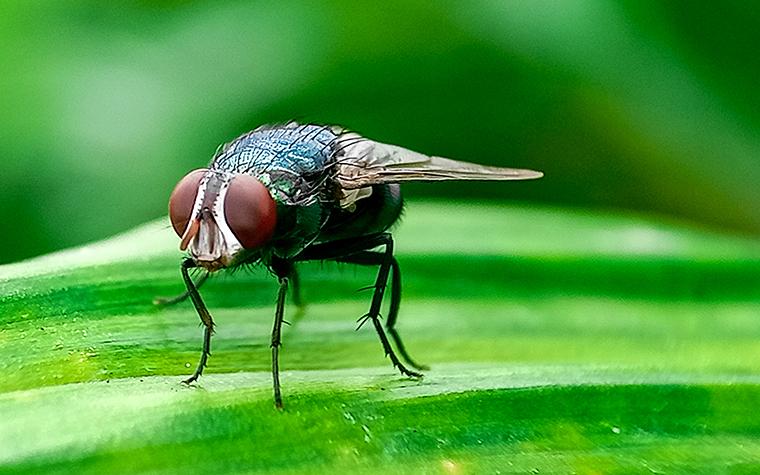
COLUMBIA, Mo. – As livestock exhibition season gets underway, University of Missouri Extension and the Missouri Department of Agriculture have released information to help producers, exhibitors and animal owners recognize and respond to the threat of New World screwworm (NWS).

Published
Kimberly Keller has been appointed director of evaluation strategy for University of Missouri Extension, effective July 1. She brings more than two decades of extension experience to a new role focused on helping the organization measure, strengthen and communicate impact.

Published
Just because July has arrived, there is no need to stop planting trees and shrubs. Early spring and late fall are the traditional times for planting woody ornamentals. But the development of different methods of growing nursery stock and modern transplanting equipment means planting at other times is possible and may be quite desirable.

Published
Many Missouri employers depend on young workers, but there are fewer of them to hire. A new brief from University of Missouri Extension notes that the state’s population of 16- to 24-year-olds has shrunk over the past decade even as a bigger share of young people are entering the workforce right after high school.
Published
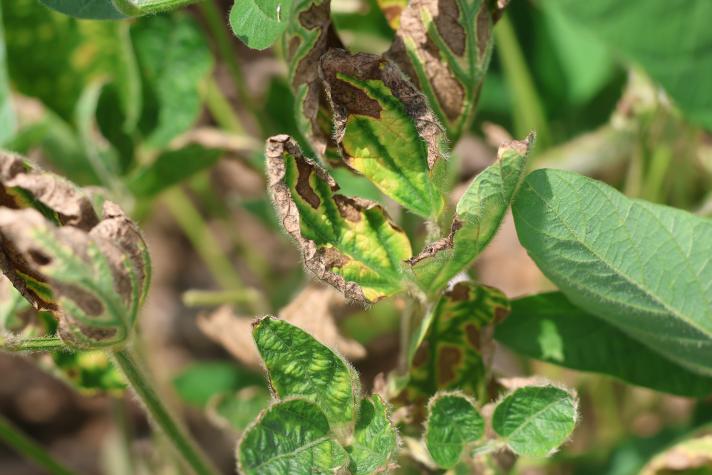
COLUMBIA, Mo. – United Soybean Board and Missouri Soybean Merchandising Council, in cooperation with the University of Missouri Extension, are partnering to increase awareness of and diagnostic capabilities for red crown rot (RCR) in soybean.

Published
The Nature Conservancy (TNC), the University of Missouri Center for Agroforestry and partners announced the launch of the Expanding Agroforestry Markets and Production project. Eligible producers throughout the 30-state project area are invited to apply for financial and technical support to adopt agroforestry practices—the intentional integration of trees and shrubs with crops and livestock.

Published
RICHMOND, Mo. – Missouri Highway 13 could soon become a living corridor of color, movement and ecological renewal with the Highway 13 Butterfly Trail, says Kathi Mecham, University of Missouri Extension field specialist in horticulture.

Published
University of Missouri Extension has announced the winners of the 2026 Show Me Neighborhood Art Month, celebrating a record-breaking year that brought together artists, neighborhoods, businesses and communities across Missouri.

Published
July is National Watermelon Month.

Published
Agricultural producers are invited to save the dates for upcoming events across the state in which extension specialists and researchers from the University of Missouri share the latest findings, highlight best practices and address local emerging issues.

Published
In celebration of June Dairy month, Hemme Brothers of Sweet Springs hosted the Missouri Dairy summer social event, where dairymen and industry supporters gathered to learn more about benefits of on-farm technology, including robotic milking and feeding systems.

Published
They light up the sky, but fireworks can also send people to the emergency room. Before you celebrate, take a few simple steps to keep your family safe.

Published
Keep your picnic safe with tips on proper food storage, handling, and avoiding contamination outdoors.

Published
COLUMBIA, Mo. – A small, hard-to-spot insect is making a big entrance in Missouri. The Asian needle ant, with its painful sting and potential impacts on both people and forests, has now been confirmed in the state. For many Missourians, including University of Missouri Extension urban entomologist Emily Althoff, it was a relatively unfamiliar name until recently.

Published
This November, 20 Missouri 4-H delegates will travel to Atlanta for a once-in-a-lifetime experience at National 4-H Congress. During the event, youths will connect with peers from across the country while participating in workshops, service-learning projects and tours of Atlanta’s most notable landmarks.

Published
COLUMBIA, Mo.—Nothing says summer like biting into delectable, juicy sweet corn at a Fourth of July cookout. Whether boiled in a pot or charred over an open grill, savoring freshly picked sweet corn embodies the patriotic spirit of a midsummer celebration before fireworks light up the night sky.

Published
MU Extension offers scouting, identification and management options.
Published
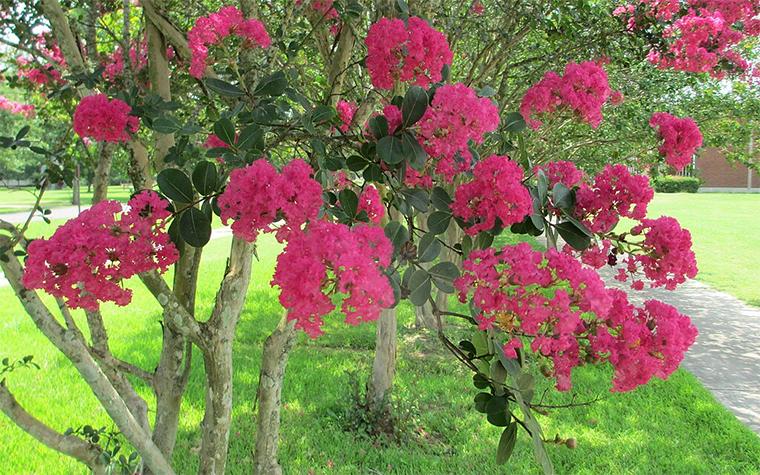
COLUMBIA, Mo. – Midwesterners are all too familiar with scorching summers. While midsummer doesn’t offer the vivid floral displays of spring shrubs, great options are available, said University of Missouri Extension horticulturist David Trinklein. Gardeners willing to embrace a more subtle look can choose from several tough, drought-tolerant shrubs that continue to bloom beautifully despite the heat.

Published
COLUMBIA, Mo. – High fertilizer prices and heavy rainfall in many parts of Missouri are complicating nitrogen management in corn. Growers should evaluate the return on investment before applying rescue nitrogen, says University of Missouri Extension state nutrient management specialist John Lory.