First in the series ‘Biological control in Missouri: Right tool, right place, right conditions.’
-
Image
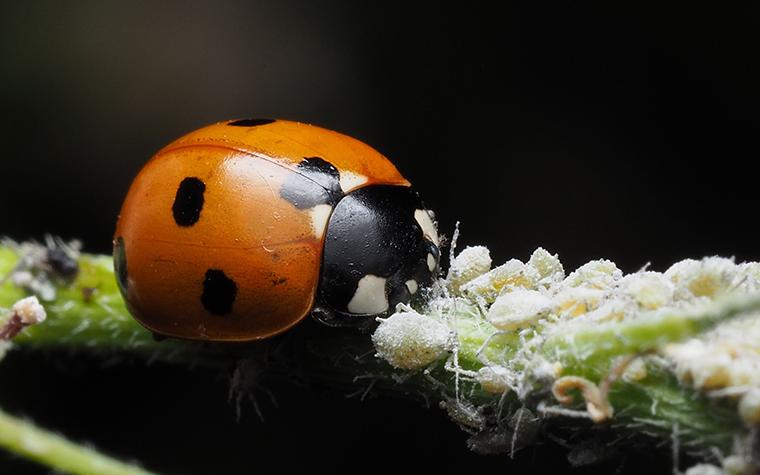 Lady beetles, or ladybugs, play an important biological control role. Source: Pexels.
 -
Image
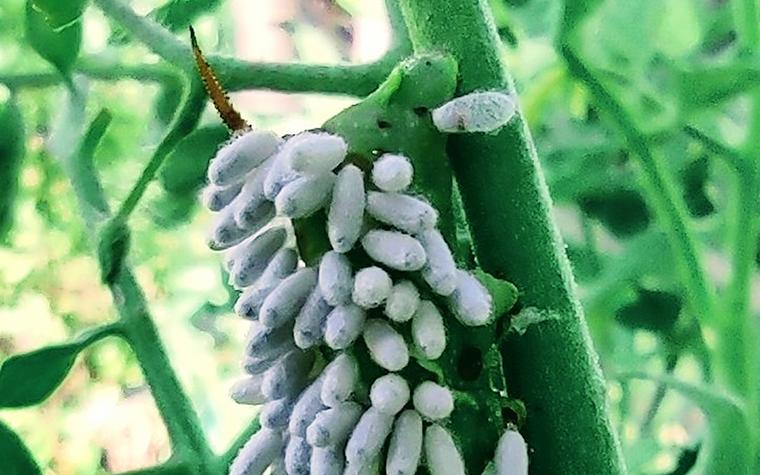 Braconid wasp pupae and a hornworm each play a part in protecting beneficial organisms and the environment. Photo by Tamra Reall.
KANSAS CITY, Mo. – Biological control – using living organisms to help manage insect pests and weeds – can be an effective part of an integrated pest management (IPM) strategy, says University of Missouri Extension horticulturist Tamra Reall.
Many gardeners are already familiar with common biological controls, whether that means encouraging natural predators in the garden, applying beneficial bacteria to manage certain insect pests or using specialized organisms to suppress difficult-to-control weeds.
“Biological control is not about eliminating every pest,” says Reall. “The goal is to reduce pest populations to levels that plants can tolerate while protecting beneficial organisms and the environment.”
Like any management strategy, biological controls work best when matched to right pest and used under the right conditions. Some organisms are highly specific, targeting only a single weed or pest species without harming non-target wildlife. Some require precise temperature, moisture or timing to provide effective control. Understanding the biology of both the pest and its natural enemy is critical to success, Reall says.
“Biological control is one tool among many,” she says. Often, a combination of management practices produces better long-term results than relying on any single approach.
Prevention remains the first line of defense. Selecting healthy plants, practicing good garden sanitation and monitoring landscapes regularly can intercept many problems before they escalate.
Reall encourages gardeners to start with accurate identification. “Choosing the right approach begins with understanding the problem. Once you know what you're dealing with, you can choose the right tool, use it at the right time and provide the conditions that allow it to succeed.”
For help identifying pests, weeds, or plant damage in your garden, contact your local MU Extension center or visit the MU Extension Plant Diagnostic Clinic.
Photo
Lady beetles, or ladybugs, play an important biological control role. Source: Pexels.
Braconid wasp pupae and a hornworm each play a part in protecting beneficial organisms and the environment. Photo by Tamra Reall.
.jpg)