-
Image
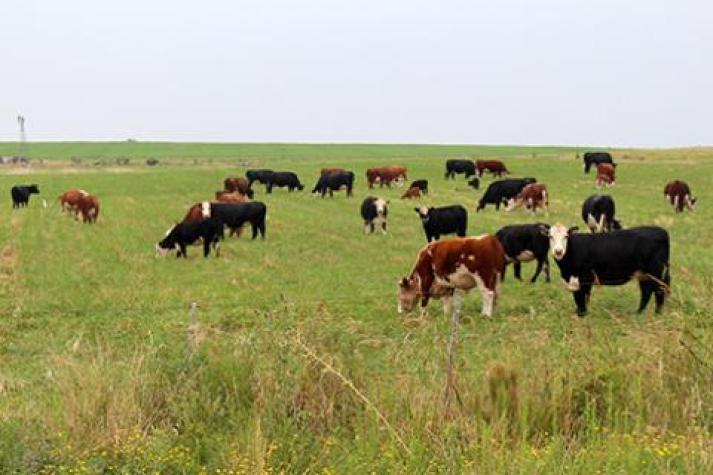
STOCKTON, Mo. – “With hot weather in full swing and cattle standing in ponds and streams, producers should watch for foot rot,” says Patrick Davis, University of Missouri Extension livestock field specialist.
Foot rot can limit cattle mobility, reduce performance, increase treatment costs and hurt profitability. Davis will discuss foot rot, including prevention and treatment options.
“Fusobacterium necrophorum enters damaged skin and hoof tissue between the claws and works with other bacteria, including Porphyromonas levii, Staphylococcus aureus, Escherichia coli and Trueperella pyogenes, to cause infections that lead to foot rot,” says Davis. Prevotella intermedia can also contribute to the disease.
These infections typically cause lameness, along with swelling and redness in the interdigital tissue and nearby coronary band. Necrotic lesions may also develop, often producing a foul odor. If left untreated, the infection can spread, causing swelling around both digits and the hoof hairline and potentially separating the claw. Foot rot can also reduce appetite, milk production and weight gain.
“Factors that contribute to foot rot include moisture, injury, disease and nutrient deficiencies,” says Davis. There are preventive steps producers can take to reduce foot rot incidence.
Manage the environment. Limit cattle exposure to manure, mud and wet conditions. Fence cattle out of ponds and streams. Provide shade to reduce heat stress so cattle are less likely to seek out water sources. Because Missouri cattle herds often face fescue toxicosis, which contributes to heat stress, managing the environment to reduce fescue toxicosis can also reduce cattle’s need to cool off in water.
Related stories
- Water, shade help prevent heat stress in cattle
- Managing heat stress in sheep and goats
- Helping dairy cows through extreme heat
Related publications
Provide a balanced nutrition program. Trace minerals such as zinc, selenium and copper help maintain skin and hoof wall integrity. Deficiencies may increase the risk of foot rot, so cattle producers should offer a sound nutrition program with free-choice access to these trace minerals.
Proper hoof care. Select structurally sound animals to reduce foot problems. Foot scoring can help evaluate soundness by assessing claw set and foot angle, including pastern and heel length. Both measures are scored from 1 to 9, with an ideal range of 3 to 7. For more information, see MU Extension guide G2093, Screening Criteria for Show-Me-Select Replacement Heifers. Evaluate the herd regularly, and cull animals that fall outside these guidelines. Also, limit time on abrasive or sharp surfaces such as rocks, gravel and concrete to reduce hoof irritation that can lead to foot rot.
“Have a treatment plan in place if lameness occurs,” says Davis. Treat foot rot promptly to reduce hoof damage and performance losses. Veterinarians can help identify symptoms, develop treatment plans and guide implementation. Consider the following when dealing with foot rot:
Treatment. Injectable and feed antibiotics, such as oxytetracyclines, can help treat foot rot. These require veterinary approval, so work with a veterinarian and use as directed. Clean the foot and apply a topical antimicrobial treatment as directed by your veterinarian.
Hoof trimming. In severe cases, hoof trimming may be needed to reshape the hoof and remove necrotic tissue to support healing. A veterinarian or trained professional should perform this procedure.
Isolation and recovery. Isolate the animal in a clean, dry pen to support healing and help prevent disease spread. A veterinarian may recommend pain relief. Improvement should appear within three to four days; if not, consult your veterinarian for further treatment. Animals with recurring foot rot should be culled.
For more information, contact Davis at davismp@missouri.edu or 417-276-3313, or reach out to your local MU Extension livestock field specialist.