Image
Reviewed
Tall Fescue is one of the more drought-resistant field plants grown in Missouri. Visit our website today to learn more.
Reviewed
Feeding hay to cattle is expensive, mostly due to waste. Learn good management practices to minimize the losses that occur due to poor storage methods, improper feeding methods, or both.

Reviewed
Big Bluestem, Indiangrass and Switchgrass have been reintroduced successfully across Missouri. Visit our website today to learn more.
Reviewed
Alfalfa is the most productive legume for Missouri. Visit our website today to learn more about Alfalfa.
Reviewed
Properly making and storing hay and greatly reduce dry matter loses. Visit our site to learn about Making and Storing Quality Hay.
Reviewed
Bermudagrass makes excellent warm-season pasture and is gaining popularity in Missouri. Visit our website today to learn more.

Reviewed
Establishing permanent pastures for dairy grazing involves selecting appropriate forage species, ensuring soil fertility, and choosing optimal seeding times

Reviewed
Correctly detecting cows and heifers in estrus can be critical for beef producers. Learn behavioral and physiological changes that indicate standing heat, how to use estrus detection aids and how to time artificial insemination in this MU Extension guide.

Reviewed
Assess beef cattle fat reserves using a 1–9 body condition scoring system to inform feeding and management decisions throughout the production cycle.

Reviewed
Several protocols and other resources allow beef producers to effectively synchronize estrus and ovulation in the herd. Read this guide for an overview of the function, handling considerations, and proper administration of estrus synchronization products.

Reviewed
Track key metrics like breeding, calving, and weaning to enhance cow-calf herd productivity and profitability through effective record-keeping.
Reviewed
Learn best practices for land applying animal manure to minimize nutrient loss, reduce pollution, and protect water quality.

Reviewed
The ability of a cow or heifer to successfully mate, conceive, give birth, and raise a healthy calf each year is essential for profitable and sustainable beef production. A good understanding of anatomy and physiology of both the male and female is helpful in successfully managing reproduction.

Reviewed
This publication aims to provide insight on prudent nutritional management of developing heifers while discussing the pros and cons of various heifer development systems.

Reviewed
Explore key factors in choosing the best time of year to calve for improved efficiency, herd health, and profitability in beef cattle operations.

Reviewed
Learn proper semen handling to achieve maximum conception rates with artificial insemination in beef cattle. Reduced conception rates occur if semen is handled improperly before, during or after thawing. See this illustrated MU Extension guide for more.

Reviewed
Pregnancy examination provides valuable information that enables cow-calf operations to make management decisions that increase profitability and improve long-term reproductive efficiency. Learn about several methods in this MU Extension guide.

Reviewed
Bos indicus cattle present challenges with estrus synchronization. Learn about the timing of estrus onset for them, their susceptibility to stress, and considerations and expectations when breeding them in this University of Missouri Extension guide.

New
Learn the facts behind common home canning myths and how to safely preserve your food. This issue covers home canning practices, including proper tomato preservation, and discover tips for foraging, handling, preparing, and preserving wild foods.

Reviewed
Good reproductive performance of a bull is necessary to obtain a high percent calf crop when natural service is used for breeding. Gain a basic knowledge of the reproductive tract and an understanding of the bull’s reproductive system in this guide.

Reviewed
Profitable cow-calf operations manage so that a large proportion of the cow herd calves in the early portion of a short calving season. In order to maintain this, cows need to conceive on approximately a 365-day calving interval.
New $12.00
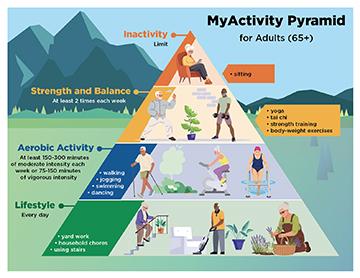
Get tips for adults who are over 65 on how they can meet physical activity guidelines with exercises for strength, flexibility, and aerobic health with this handout.

Reviewed
Semen is a significant cost in a cattle artificial insemination program. Maintaining a liquid nitrogen tank’s integrity is key to protecting that investment. Learn how to properly care for and maintain a liquid nitrogen tank in this MU Extension guide.

Reviewed
Using correct techniques when performing artificial insemination on beef cattle can help ensure success and minimizing risk of injury. Learn how to deposit the semen in the proper location in the female reproductive tract while using sanitary techniques.

Reviewed
Comprehensive herd health programs enhance reproductive efficiency in beef cattle by addressing disease prevention, nutrition, and environmental stressors.