Canning Tomatoes – Don’t Skip the Acid
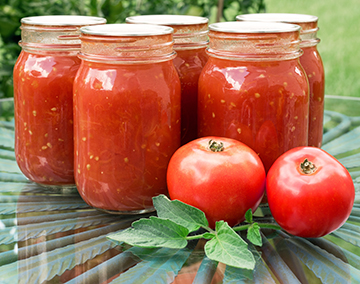 In home canning, the acidity of a food determines which processing method to use. High-acid foods, with a pH below 4.6, can be safely processed in a boiling water bath canner. Low-acid foods, with a pH above 4.6, must be processed in a pressure canner. These recommendations are based on controlling Clostridium botulinum, the bacteria that causes botulism. C. botulinum can survive boiling temperatures (212°F) but cannot grow in acidic environments. So, foods either need to naturally acidic or acidified, for water bath canning, or pressure canned at very high heat (240°F).
Tomatoes are a tricky fruit because their acidity varies based on variety, ripeness, and other factors. For these reasons, many tomato recipes require adding an acid (usually bottled lemon juice) to ensure safety. Some recipes provide an option to use either a boiling water bath or a pressure canner. No matter which process is used, the acid must still be added. The reason is a matter of heat treatment.
Heat treatment is the result of the temperature reached AND the duration to kill pathogens, such as C. botulinum. Approved recipes were developed to achieve equal heat treatments for boiling water bath and pressure canner processing. For example, processing quarts of whole tomatoes for 45 minutes in a boiling water bath results in the SAME level of safety as processing them for 10 minutes at 11 pounds of pressure in a dial-gauge canner.
One process is not necessarily better than the other. Both methods require adding an acid, and both processes take about the same amount of time to complete. Many people choose a boiling water bath due to equipment availability or comfort level. According to the National Center for Home Food Preservation and the USDA Complete Guide to Home Canning, “for some products, pressure canning will result in a high quality and more nutritious product.” For safety’s sake, do not alter or deviate from the recipes in any way.
Preserving Wild, Foraged Foods
 Getting outside isn’t just refreshing—it can be good for your health, too. Foraging for wild foods is a fun way to bring something fresh from nature into your kitchen. Before you go, check your state’s Department of Natural Resources (DNR) guidelines so you know where you can forage and how much you’re allowed to take.
Like any fresh ingredient, wild foods need a little care. They can pick up bacteria from soil, animals, insects, or water, so safe handling matters. Start by only picking plants you know are edible. Brush off dirt as you go. Wash your hands with soap and water after foraging.
When ready to prepare wild foods, follow these food safety tips:
- Wash your hands with soap and water before and after preparing food.
- Wash plants under cool, running water. For thicker skins, use a scrub brush.
- Clean and sanitize your sink, counters, and utensils or tools before and after use.
 Food preservation tips:
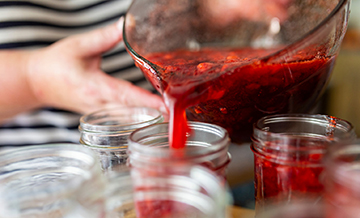
- If you gather wild berries and other fruit, turn them into jams, jellies, syrups or pie fillings. Always use a research-based recipe when canning these products. No research-based recipe? Consider refrigerating or freezing the product.
- Herbs, mushrooms, and edible flowers can be dehydrated.
- For wild game, birds or fish, promptly clean and freeze the cuts of meat. To use, thaw in the refrigerator and cook to a safe internal temperature.