Image
Reviewed
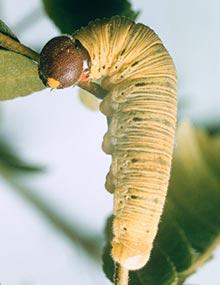
Silverspotted skipper caterpillars (Epargyreus clarus) are present in summer and fall. They produce two to three generations per year.
Reviewed
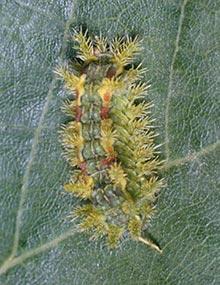
Spiny oak slug caterpillars (Euclea delphinii) are present in summer and fall. They produce one to two generations per year.
Reviewed
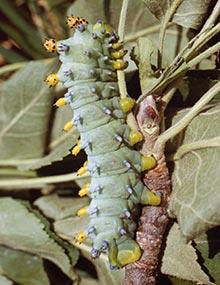
Cecropia moth caterpillars (Hyalophora cecropia) are present from May to August. They produce one generation per year.
Reviewed
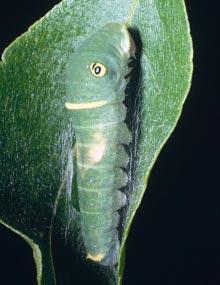
Tiger swallowtail caterpillars (Papilio glaucus) are present from May to October. They produce two to three generations per year. Preferred host plants include hoptree, birch, tulip tree, ash, basswood, cherry, apple, willow and magnolia.
Reviewed
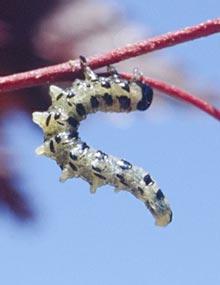
Dusty birch sawfly caterpillars (Croesus latitarsus) are present in summer and fall. They produce two to three generations per year.
Reviewed
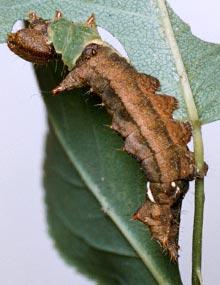
Unicorn caterpillars (Schizura unicornis) are present from summer to fall. They produce one generation per year.
Reviewed
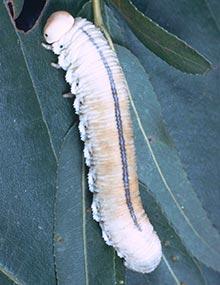
Elm sawfly caterpillars (Cimbex americana) are present from summer to fall. They produce one generation per year.
Reviewed
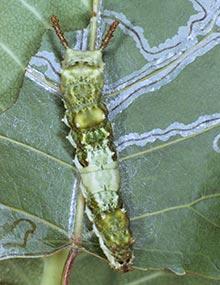
Viceroy caterpillars (Limenitis archippus) are present from early summer to fall. They produce two generations per year.
Reviewed
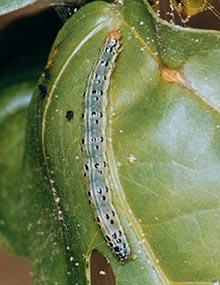
Garden webworm caterpillars (Achyra rantalis) are present from late spring to fall. They produce two to three generations per year.

Reviewed
Feeding hay to cattle is expensive, mostly due to waste. Learn good management practices to minimize the losses that occur due to poor storage methods, improper feeding methods, or both.

Reviewed
Learn how pelvic measurements can help estimate calf birth weight and reduce calving difficulty in beef cattle.
Reviewed
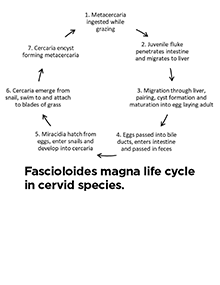
Cattle operations should evaluate their risk for is Fascioloides magna, also known as the deer fluke or the giant liver fluke. Learn about its distribution in Missouri, its life cycle, treatment and more in this guide.

Reviewed
Explore four decision-making techniques to help community groups identify and prioritize projects effectively.
Reviewed
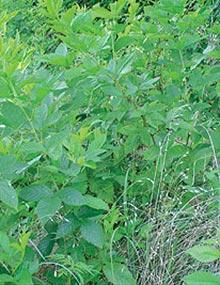
Several briar species grow tall canes that form large thickets of dense, prickly cover. The briars exhibit numerous five-petaled white flowers from April through June.

Reviewed
Managing the age structure of bucks is considered very important for improving the quality of the deer herd. Visit our site to learn about aging a deer.
Reviewed
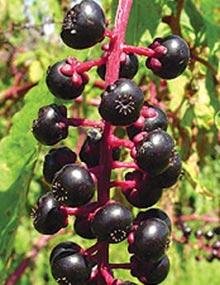
Pokeweed leaves are smooth, oblong and usually 6 to 8 inches in length, though they may grow up to 12 inches. Stems turn bright purple as the plant matures. Clusters of succulent, shiny purple berries, about 1/4 inch in diameter, occur at the tops of the plants.
Reviewed
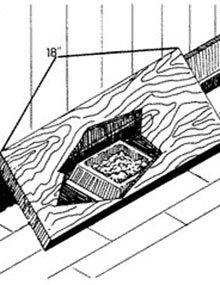
Using bait stations to control rats and mice can be more effective and safe than using poison. Visit our website today to learn more.
Reviewed
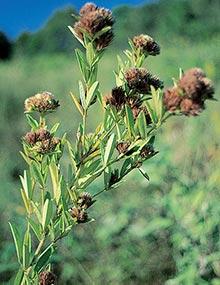
Roundhead lespedeza is a tall perennial plant with reddish-brown seed heads and large leaves. It provides crucial food for bobwhite quail, especially in winter.
Reviewed
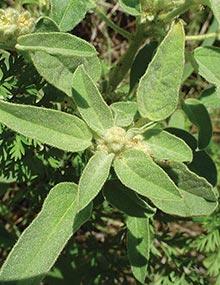
Croton produces abundant seeds and is a common summer weed in pastures and other disturbed areas. A dense covering of white hairs gives croton flowers a fuzzy white appearance.
Reviewed
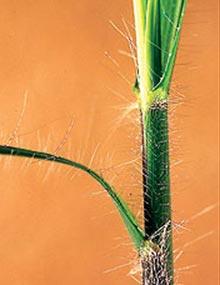
Sideoats grama has fine leaves and widely spaced fine hairs along the leaf edge, especially near the collar. Most sideoats plants are 18-24 inches tall at maturity. It has a unique, oatlike seed that droops slightly off one side of the stalk.

Reviewed
Common elderberry is a shrub that grows to 8 feet tall and forms dense colonies from root sprouts. The tops are multibranched, bearing opposite, pinnately compound leaves 4 to 12 inches long. Lance-shaped leaflets are 2 to 6 inches long, 1 to 2 inches wide and sharply toothed.

Reviewed
Establishing a wildlife management cooperative enables landowners to collaboratively enhance white-tailed deer habitats and improve hunting opportunities.
Reviewed
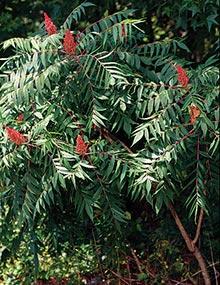
Winged, smooth and staghorn sumac have single stems and a broad reaching canopy of pinnately compound leaves. Fragrant sumac has three leaves resembling poison ivy but with more serrated margins. The leaves of all species often turn a brilliant red in autumn.
Reviewed
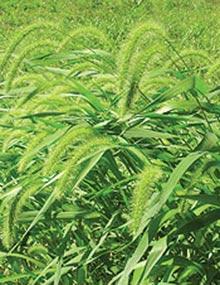
Most of the foxtails found in the Midwest are native to Europe and Asia. They are annual plants generally considered to be weeds. The seed head has the bushy form of a fox's tail. Height at maturity varies by species, but is generally 1-3 feet.