Image
Reviewed
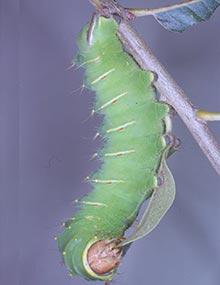
Polyphemus moth caterpillars (Antheraea polyphemus) are present from May to October. They produce multiple generations per year.
Reviewed
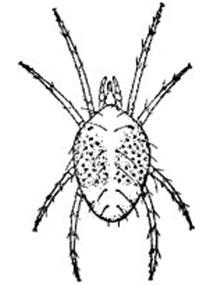
Learn safe and effective ways to manage indoor plant pests using natural, mechanical, and low-toxicity treatments that protect both plants and the environment
Reviewed
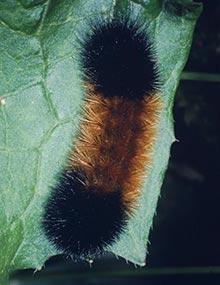
Banded woollybear caterpillars (Pyrrharctia isabella) are present in the spring and from late summer to late fall. They produce one to two generations per year.
Reviewed
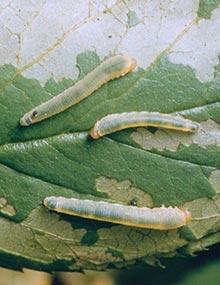
Roseslug caterpillars (Endelomyia aethiops) are present in summer. They produce one generation per year.
Reviewed
Twig Girdler and Twig Pruner are long-horned beetle species that attack numerous types of valuable trees. Visit our website to learn more.
Reviewed
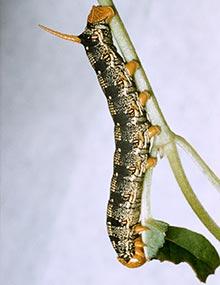
Catalpa sphinx caterpillars (Ceratomia catalpae) are present from early summer to early fall. They produce multiple generations per year.
Reviewed
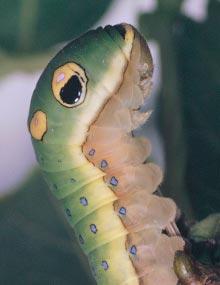
Spicebush swallowtail caterpillars (Papilio troilus) are present from May to October. They produce two to three generations per year.
Reviewed
Boxelder bugs are black and red insects that may enter homes in fall. They don't cause damage but can be a nuisance. Control includes sealing entry points and removing host trees.
Reviewed
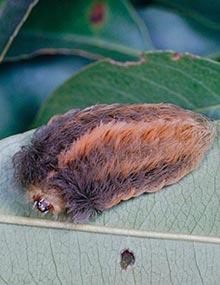
Crinkled flannel moths caterpillars (Lagoa crispata) are present in summer and fall. They produce two generations per year.
Reviewed
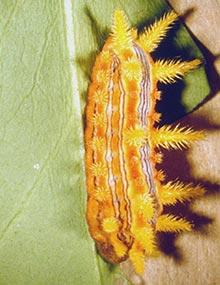
Stinging rose caterpillars (Parasa indetermina) are present in summer and fall. They produce one to two generations per year.
Reviewed
Learn how to clean and disinfect flooded wells and cisterns to ensure safe drinking water, including inspection, chlorination, and testing steps.
Reviewed
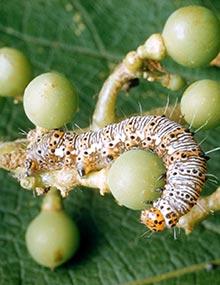
Eight-spotted forester caterpillars (Alypia octomaculata) are present from spring to early fall. They produce one to two generations per year.
Reviewed
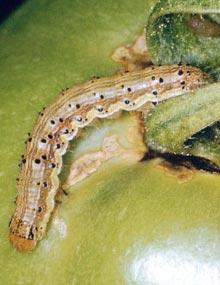
Tomato fruitworm, corn earworm caterpillars (Helicoverpa zea) are present in mid-June. They produce two generations per year.
Reviewed
Feeding hay to cattle is expensive, mostly due to waste. Learn good management practices to minimize the losses that occur due to poor storage methods, improper feeding methods, or both.
Reviewed
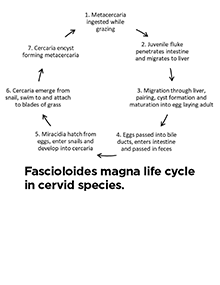
Cattle operations should evaluate their risk for is Fascioloides magna, also known as the deer fluke or the giant liver fluke. Learn about its distribution in Missouri, its life cycle, treatment and more in this guide.
Reviewed
Learn how pelvic measurements can help estimate calf birth weight and reduce calving difficulty in beef cattle.
New
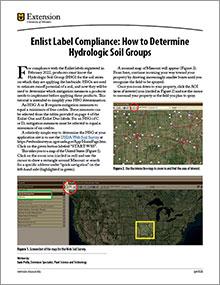
Learn how to use the USDA Web Soil Survey interactive map to determine your field's hydrologic soil group for the soil series on which you plan to apply an Enlist herbicide.

Reviewed
Explore four decision-making techniques to help community groups identify and prioritize projects effectively.
Reviewed
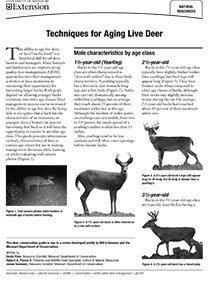
The ability to age live deer is a beneficial skill for all deer hunters and managers. Visit our site to learn Techniques for Aging Live Deer.
Reviewed
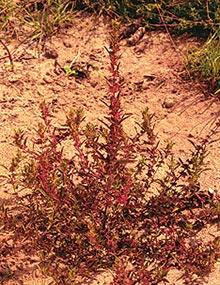
Three-seeded mercury is characterized by longitudinally folded, lobed, leaflike bracts that persist throughout the growing season. The seeds are small, egg-shaped and dark brown to light gray or tan.
Reviewed
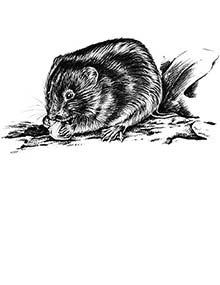
Pine voles spend most of their lives under the ground in burrow systems. They can be found in forested areas but also inhabit fields next to woodlands. They feed on plant roots, flower bulbs, and the growing tissue (cambium) of tree roots.
Reviewed
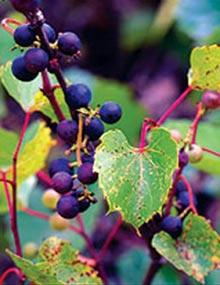
Wild grapes are vines capable of climbing to 75 feet or more by means of tendrils. Leaves are alternate, simple and heart-shaped (Vitis) to triangular (Ampelopsis). Flowers bloom from mid to late spring, and globe-shaped fruits are borne in drooping clusters from late summer through fall.
Reviewed
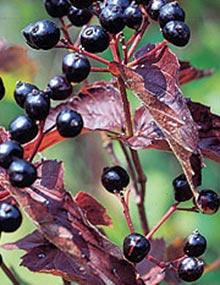
Viburnum grows as shrubs or small trees with branching crowns. Flowers are borne in dense, flat-topped panicles that produce many red to bluish black, berrylike fruits in fall. The leaves are opposite and turn brilliant shades of deep rose-purple to rose-red or bright red in fall.
Reviewed
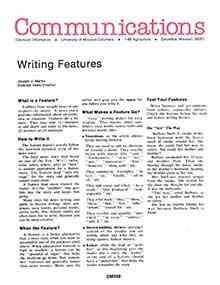
Learn how to craft engaging feature stories by focusing on imaginative leads, concise sentences, and active verbs to captivate your readers.
Reviewed
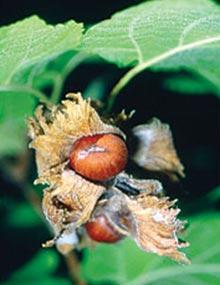
Hazelnut is a thicket-forming, spreading shrub that can vary in height from 3 to 10 feet. Its leaves are egg-shaped to oval, doubly serrated with five to eight veins on each side of the central vein. Fruits occur in clusters of two to six.