Image
Reviewed
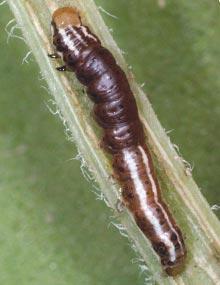
Stalk borer caterpillars (Papaipema nebris) are present from May to August. They produce one generation per year.
Reviewed
Twig Girdler and Twig Pruner are long-horned beetle species that attack numerous types of valuable trees. Visit our website to learn more.
Reviewed
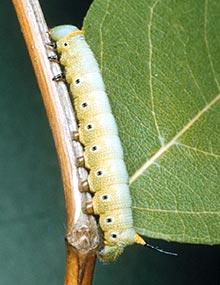
Clearwinged sphinx caterpillars (Hemaris diffinis) are present from April to September. They produce two generations per year.
Reviewed
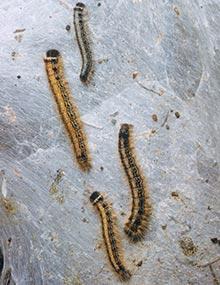
Eastern tent caterpillars (Malacosoma americanum) are present from early spring to June. They produce one generation per year.
Reviewed
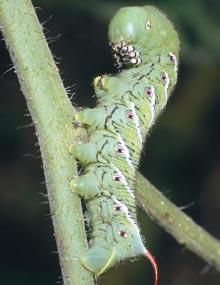
Learn to identify and manage tobacco and tomato hornworms in your garden with tips on appearance, feeding habits, and control methods.
Reviewed
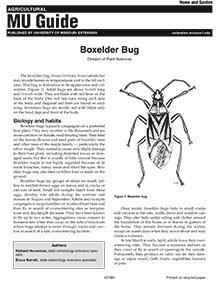
Boxelder bugs are black and red insects that may enter homes in fall. They don't cause damage but can be a nuisance. Control includes sealing entry points and removing host trees.
Reviewed
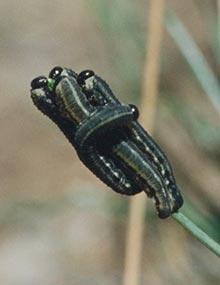
European pine sawfly caterpillars (Neodiprion sertifer) are present in spring and summer. They produce one generation per year.
Reviewed
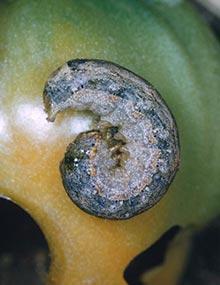
Variegated cutworm caterpillars (Peridroma saucia) are present from late spring to early summer. They produce two to four generations per year.
Reviewed
Feeding hay to cattle is expensive, mostly due to waste. Learn good management practices to minimize the losses that occur due to poor storage methods, improper feeding methods, or both.
Reviewed
Learn how pelvic measurements can help estimate calf birth weight and reduce calving difficulty in beef cattle.
Reviewed
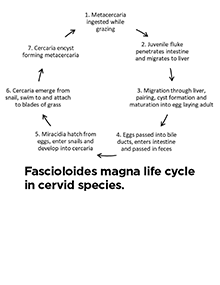
Cattle operations should evaluate their risk for is Fascioloides magna, also known as the deer fluke or the giant liver fluke. Learn about its distribution in Missouri, its life cycle, treatment and more in this guide.

Reviewed
Explore four decision-making techniques to help community groups identify and prioritize projects effectively.
Reviewed
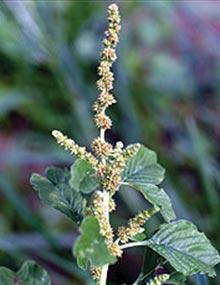
Pigweed leaves are alternate and simple. Small green or tan flowers produce small, round, shiny black seeds. The roots are red when pulled. Depending on the species, pigweed may grow 1 to 8 feet tall.
Reviewed
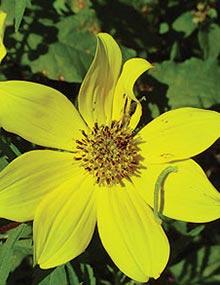
Bidens is most often found in moist areas. It has yellow flowers that are 1 to 1.5 inches.
Reviewed
The ability to age live deer is a beneficial skill for all deer hunters and managers. Visit our site to learn Techniques for Aging Live Deer.
Reviewed
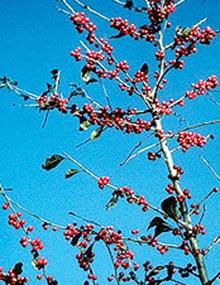
Possum haw grows mostly as a shrub but sometimes as a tree up to 30 feet tall. The twigs are slender with short, spurlike lateral twigs. The white flowers bloom in mid-spring either singularly or in clusters. Fruits are orange to red and globe-shaped.
Reviewed
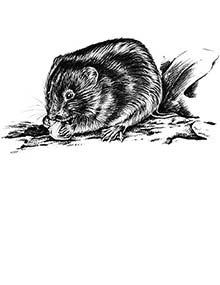
Pine voles spend most of their lives under the ground in burrow systems. They can be found in forested areas but also inhabit fields next to woodlands. They feed on plant roots, flower bulbs, and the growing tissue (cambium) of tree roots.
Reviewed
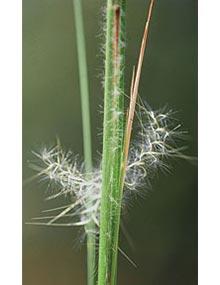
Broomsedge is a native warm-season grass that is often confused with little bluestem, but broomsedge stems are the more flattened and more densely leafed. Also, broomsedge in the fall/winter is typically yellowish tan, while little bluestem has a bronzy color.
Reviewed
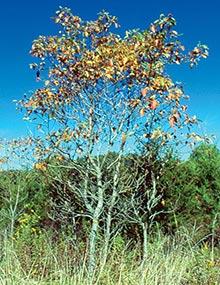
Sassafras provides essential cover and food for wildlife, offering berries for birds and fragrant leaves for deer and rabbits. It thrives in diverse habitats.
Reviewed
Learn to manage vole damage in Missouri's horticultural plantings and orchards with effective control strategies for these small mammals.
Reviewed
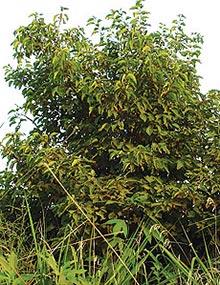
Shrub dogwoods are common in fence lines and along forest edges. Individual plants are rather short (less than 12 feet tall) and somewhat rounded.
Reviewed
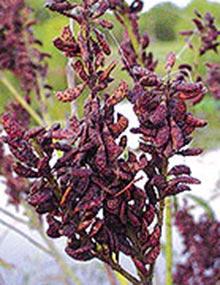
False indigo occurs in moist ground in thickets along streams, rocky banks, pond borders and open wet woods. The leaves are pinnately compound. The dense flower clusters are deep purple to blue and produce numerous fruits that mature in late summer.
Reviewed
This guide offers strategies to enhance deer habitat and manage populations effectively through goal setting and monitoring.

Reviewed
This publication explores the significance of effective communication in professional settings, detailing its processes and various definitions.
Reviewed
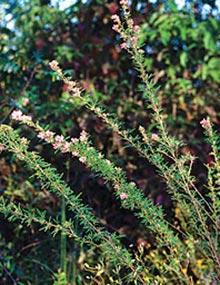
Slender lespedeza leaves are divided into three leaflets 1 to 1-1/2 inches long and less than 1/4 inch wide. Stems are upright, up to 3 feet tall. Flowers are pink to purple and occur in clusters toward the top of the plant.