Image
Reviewed
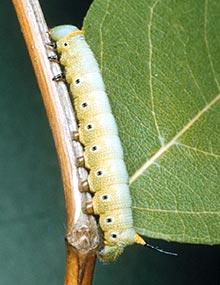
Clearwinged sphinx caterpillars (Hemaris diffinis) are present from April to September. They produce two generations per year.
Reviewed
Learn how to clean and disinfect flooded wells and cisterns to ensure safe drinking water, including inspection, chlorination, and testing steps.
Reviewed
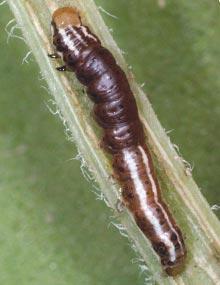
Stalk borer caterpillars (Papaipema nebris) are present from May to August. They produce one generation per year.
Reviewed
Twig Girdler and Twig Pruner are long-horned beetle species that attack numerous types of valuable trees. Visit our website to learn more.
Reviewed
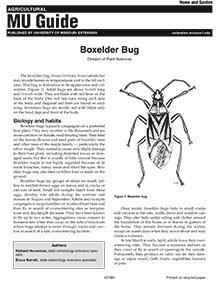
Boxelder bugs are black and red insects that may enter homes in fall. They don't cause damage but can be a nuisance. Control includes sealing entry points and removing host trees.
Reviewed
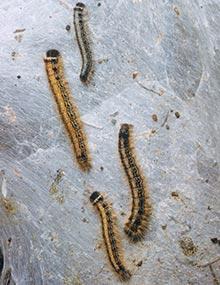
Eastern tent caterpillars (Malacosoma americanum) are present from early spring to June. They produce one generation per year.
Reviewed
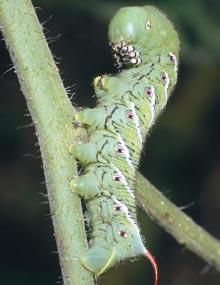
Learn to identify and manage tobacco and tomato hornworms in your garden with tips on appearance, feeding habits, and control methods.
Reviewed
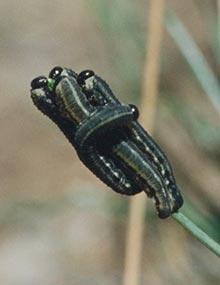
European pine sawfly caterpillars (Neodiprion sertifer) are present in spring and summer. They produce one generation per year.
Reviewed
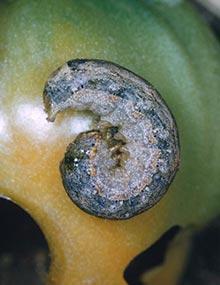
Variegated cutworm caterpillars (Peridroma saucia) are present from late spring to early summer. They produce two to four generations per year.
Reviewed
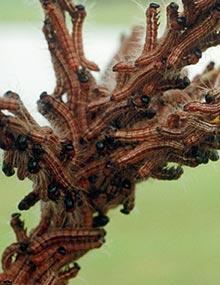
Red phase and black phase walnut caterpillars (Datana integerrima) are present from early May to September. They produce one to two generations per year.
Reviewed
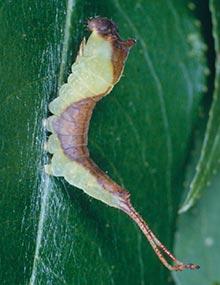
Gray furcula caterpillars (Furcula cinerea) are present from spring to fall. They produce two generations per year.
Reviewed
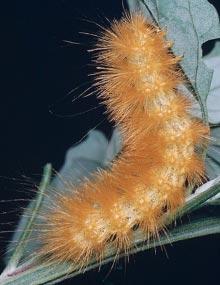
Yellow woollybear caterpillars (Spilosoma virginica) are present from spring to fall. They produce two to three generations per year.
Reviewed
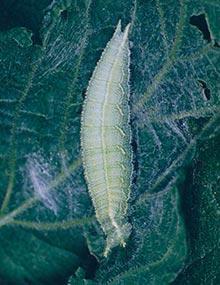
Hackberry emperor caterpillars (Asterocampa celtis) are present from early summer to fall. They produce two generations per year.
Reviewed
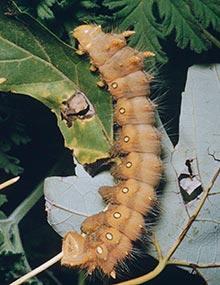
Imperial moth caterpillars (Eacles imperialis) are present from June to August. They produce two generations per year. Common host plants include oaks, sweetgum, maple, hickory, sassafras, elm and sycamore.
Reviewed
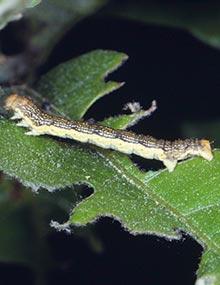
Linden looper caterpillars (Erannis tiliaria) are present from late spring to summer. They produce one generation per year.
Reviewed
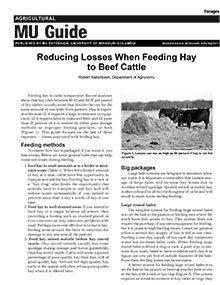
Feeding hay to cattle is expensive, mostly due to waste. Learn good management practices to minimize the losses that occur due to poor storage methods, improper feeding methods, or both.
Reviewed
Learn how pelvic measurements can help estimate calf birth weight and reduce calving difficulty in beef cattle.
Reviewed
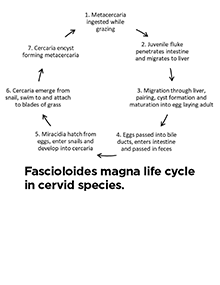
Cattle operations should evaluate their risk for is Fascioloides magna, also known as the deer fluke or the giant liver fluke. Learn about its distribution in Missouri, its life cycle, treatment and more in this guide.
New
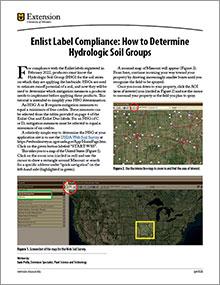
Learn how to use the USDA Web Soil Survey interactive map to determine your field's hydrologic soil group for the soil series on which you plan to apply an Enlist herbicide.

Reviewed
Explore four decision-making techniques to help community groups identify and prioritize projects effectively.
Reviewed
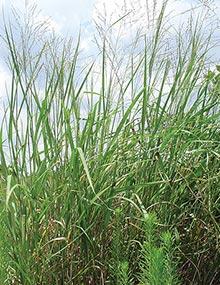
Switch grass exhibits an upright, bunchy growth form. The leaves twist in a corkscrew-like pattern from the base to the tip of the blade.
Reviewed
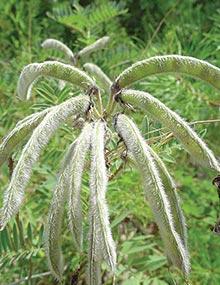
Goat’s rue, a member of the bean family, is readily identified by its striking flower, which consists of a cream-colored upper petal above two bright pink lower petals. Leaves are alternate, compound and usually hairy, with a pointed, hairlike tip.
Reviewed
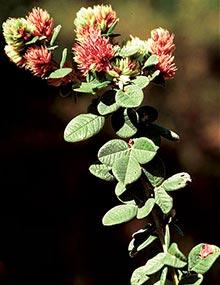
Hairy lespedeza leaflets occur in threes. This perennial plant earns its name from its stem and oblong leaflets, both of which are covered with hairs.
Reviewed
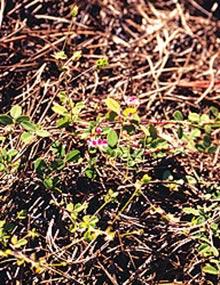
Trailing lespedezas are small, native lespedezas with trailing stems that can readily form thick mats over bare areas if left undisturbed. The small flowers range from purple to white and can produce a large quantity of seeds.