Fermented Foods Around the World
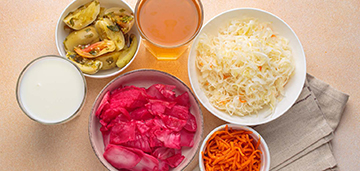 The process of fermentation extends food shelf life, develops unique flavors, and adds nutritional benefits, including increased bioavailability of certain nutrients and the presence of compounds that support gut health.
Fermentation is an effective technique of preservation, but improperly fermented foods show signs of spoilage like surface molds and undesirable colors and flavors. Improper fermentation may also allow Clostridium botulinum to produce botulism toxin, where contamination is not obvious by sight, smell, or taste. In recent decades, cases of poisoning in the U.S. have been reported on fermented gray mullet (fish), pruno (prison-made alcohol), and soy (tofu).
While their origins might not be American, sauerkraut, sourdough, kimchi, kombucha, and yogurt are a few recognizable (and trendy) fermented foods available for purchase or made at home in the U.S. While fermented foods may be attributed to one or two countries, regional variations exist in the types of ingredients or techniques used. Here is a short list of other fermented foods from across the globe.
- Fish sauce is a popular ingredient in Asian cuisine. The fermented mixture of salt and small fish, such as sardines, produce a flavorful liquid.
- Injera, a flatbread made from fermented teff, is attributed to Ethiopian cuisine.
- Boza, a drink made from fermented millet, is popular in Turkey and often topped with cinnamon and roasted chickpeas.
- Tepache is a sweet drink fermented with pineapple skins and cores popular in Mexico.
- Gundruk, fermented and dried leafy greens, are used as an ingredient in recipes in Nepal.
- Idli, a steamed cake-like food popular in India, is made from fermented rice and lentils.
References:
- Adams LE, Yasmin S, Briggs G, et al. Alcohol Production, Prevention Strategies, and Inmate Knowledge About the Risk for Botulism From Pruno Consumption in a Correctional Facility--Arizona, 2013. J Correct Health Care. 2015;21(4):335-342. View reference.
- Caffrey, EB, Perelman, D, Ward, CP, et al. Unpacking Food Fermentation: Clinically Relevant Tools for Fermented Food Identification and Consumption. Advances in Nutrition 2025;16:5. View reference.
- Ganapathiraju PV, Gharpure R, Thomas D, et al. Notes from the Field: Botulism Type E After Consumption of Salt-Cured Fish — New Jersey, 2018. MMWR 2019;68:1008–1009. View reference.
- National Center for Home Food Preservation. Causes and Possible Solutions for Problems with Fermented Pickles. View reference.
- Walters M, Luquez C. Botulism Associated with Home-Fermented Tofu in Two Chinese Immigrants — New York City, March–April 2012. MMWR 2013;62(26);529-532. View reference.
- Walters MS, Sreenivasan N, Person B, et al. A Qualitative Inquiry About Pruno, an Illicit Alcoholic Beverage Linked to Botulism Outbreaks in United States Prisons. Am J Public Health. 2015;105(11):2256-2261. View reference.
Getting Ready for the Summer Garden and Canning Season
 Now is the perfect time to dream of warmer days and begin planning your summer garden. What will you grow? And once the harvest comes in, how will you preserve all that beautiful summer produce? The peace of mind that comes from knowing you have food on hand to carry you through the year is something you simply can’t buy.
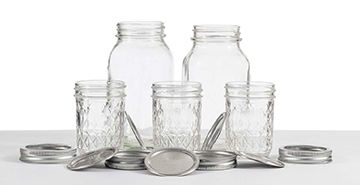
Before the garden is producing and it’s time to fire up the canner, take a moment to inventory what you already have and what may need to be replenished. Have your pressure canner inspected and tested for accuracy at your local Extension office. Check your supply of jars, lids, and rings, and stock up if needed. Take a close look at your equipment as well—if anything has seen better days, now is the time to replace it, not when you’re in the middle of a busy canning season.
Next, think about what you plan to preserve this year. For best quality, preserve only what you can realistically consume within a 12–18 month period. Did you run out of anything last year? Do you still have plenty of something sitting on the shelf? Grab a notepad and start tracking how many jars per month your family typically uses of the foods you preserve. This simple exercise will help you set realistic, practical goals for the upcoming season.