MU Extension workshop helps producers identify those with the greatest long-term profit potential.
-
Image
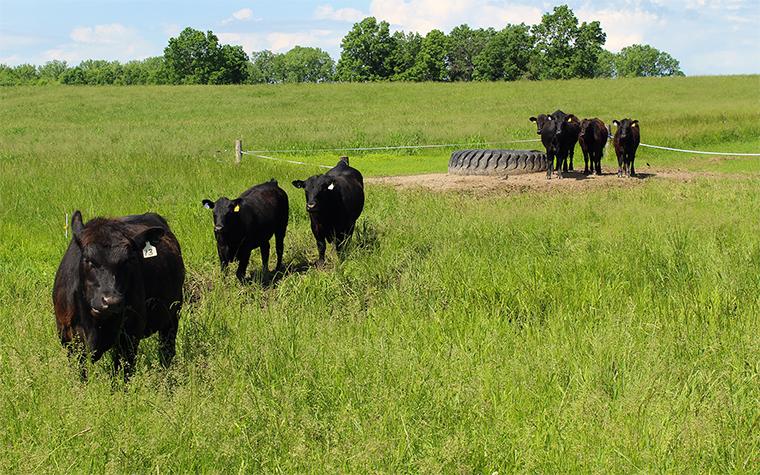 File photo by Linda Geist.
MOUNT VERNON, Mo. – High cattle prices present a challenge for beef producers. The same heifers needed to rebuild cow herds also bring premium prices through the sale barn.
“When markets are strong, it’s easy to focus on what a heifer is worth today,” said Jamie Courter, University of Missouri Extension state beef genetics specialist. “The harder question is what she might be worth over the next eight or 10 years as a productive cow.”
Helping producers answer that question is the goal of “Retain With Intention: Building a Better Missouri Cow Herd,” a two-day workshop set for Sept. 2-3 at the MU Southwest Research, Extension and Education Center in Mount Vernon.
Many operations are looking for ways to grow herd numbers after years of contraction, but Courter says expansion without a plan can be costly.
“The most profitable herds are built by identifying females that fit the operation, breed early, stay productive and remain in the herd for years,” Courter said. “Those decisions start long before breeding season.”
The workshop features specialists in genetics, nutrition, reproduction and agricultural economics to help producers evaluate replacement females from multiple perspectives. Participants will learn how performance records, genomic tools, reproductive benchmarks and development strategies can work together to improve retention decisions.
Jordan Thomas, Mizzou associate professor of animal sciences, says many producers have more information available than ever before, but turning that information into better decisions can be challenging.
“Replacement heifers represent one of the largest long-term investments made in a cow-calf operation,” Thomas said. “This program focuses on ways producers can sort through available data and identify females with the greatest likelihood of becoming profitable cows.”
A previous offering of the program showed the value of that approach. Nearly all participants reported increased confidence in selecting replacement heifers, and almost half said they planned to retain more heifers from their own herds after attending.
The hands-on program includes live-heifer evaluation exercises, reproductive assessment demonstrations and activities designed to help participants develop retention criteria for their operations. Producers will also explore the economics behind keeping heifers versus marketing them at different stages of development.
“Whether a producer decides to retain more heifers or market them, the decision should be intentional
“Our goal is to give participants a framework they can take home and use immediately.” Courter said.
The workshop is Sept. 2-3 at the MU Southwest Research, Extension and Education Center in Mount Vernon. Registration is $200. Details and registration.