New publication details practices that can offset declining bird populations.
-
Image
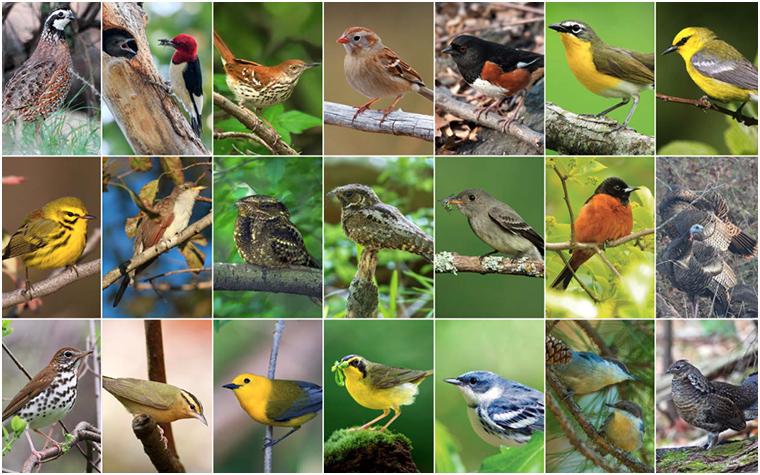
COLUMBIA, Mo. – Even small steps by forest and woodland owners can make a big difference in improving habitat for bird species.
“Birds need our help, and private landowners can make important contributions to their conservation,” says University of Missouri Extension state wildlife and fisheries specialist Robert Pierce.
Pierce is a co-author of Missouri Forestry for the Birds, a new publication that explains how forestry practices can benefit birds.
Bird populations are down by 30%
Missouri bird populations are in peril, the publication notes. The decline is not unique to Missouri: North America has lost approximately 30% of its bird population over the past 50 years, due in part to habitat loss, widespread pesticide use and changes in land management practices.
“Missouri’s bird species and populations are very diverse,” says Pierce. The state is home to 350 bird species, and all but one of those has seen numbers decrease since 1966, according to the Missouri Bird Conservation Plan. Species that have seen the most dramatic drop in numbers include the northern bobwhite, the field sparrow and the cerulean warbler.
The publication provides detailed information on 21 “focal” bird species that are among those in greatest need of conservation in Missouri and are responsive to forest management. These species are representative of a broader bird community that also depend on forest and woodland habitats for their survival.
Small changes make big differences
Landowners can offset the declining numbers with practices designed to improve habits.
“Private landowners can make a meaningful difference,” said MU Extension state forestry specialist Stelzer, who is also a co-author of the publication. “These practices support bird conservation and the long-term sustainability and productivity of Missouri’s forests and woodlands. Missouri has a strong network of bird conservation partnerships with a proven track record of cooperation and successful project implementation, including the organizations that cooperated to develop this guide.”
Birds help Missouri agriculture
“Bird populations benefit Missouri agriculture and the environment in many ways,” says Pierce. “Birds like warblers, flycatchers and nightjars eat insects that damage crops and forests. Species like blue jays and sparrows help spread seeds, aiding forest regeneration. Others, like hummingbirds, contribute to pollinating plants.”
Forest systems and landscapes
The publication gives the reader insight into a variety of management practices and landscape considerations. It also gives a step-by-step plan with illustrations and lists resources to help landowners enhance habitats on their property for bird populations as well as for producing forest products.
The publication is available as a free PDF download.
Authors for the publication are from the Audubon of Upper Mississippi River, Central Hardwoods Joint Venture, LAD Foundation, Missouri Conservation Heritage Foundation, U.S. Fish and Wildlife Service, the Nature Conservancy, National Wild Turkey Federation, MU Extension, Missouri Department of Conservation and the U.S. Forest Service.