Image
Reviewed
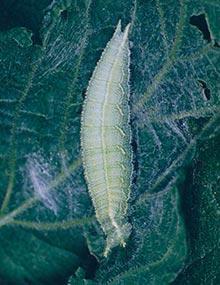
Hackberry emperor caterpillars (Asterocampa celtis) are present from early summer to fall. They produce two generations per year.
Reviewed
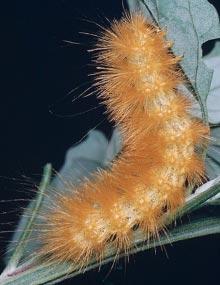
Yellow woollybear caterpillars (Spilosoma virginica) are present from spring to fall. They produce two to three generations per year.
Reviewed
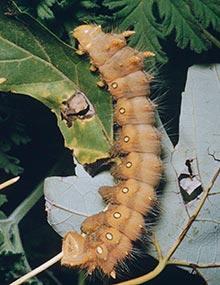
Imperial moth caterpillars (Eacles imperialis) are present from June to August. They produce two generations per year. Common host plants include oaks, sweetgum, maple, hickory, sassafras, elm and sycamore.
Reviewed
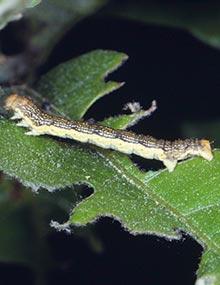
Linden looper caterpillars (Erannis tiliaria) are present from late spring to summer. They produce one generation per year.
Revised
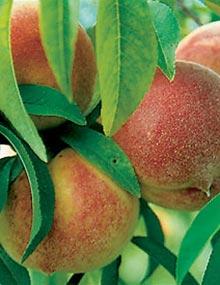
This guide offers practical advice on selecting, planting, and maintaining peach and nectarine trees for optimal fruit production.
Reviewed
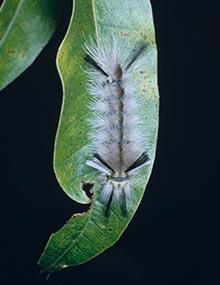
Pale tussock moth caterpillars (Halysidota tessellaris) are present from early summer to fall. They produce two generations per year.
Reviewed
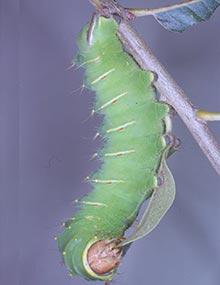
Polyphemus moth caterpillars (Antheraea polyphemus) are present from May to October. They produce multiple generations per year.
Reviewed
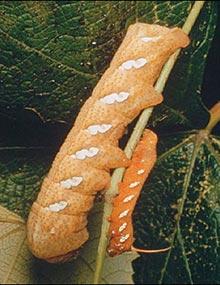
Achemon sphinx caterpillars (Eumorpha achemon) are present from early summer to fall. They produce one to two generations per year.
Reviewed
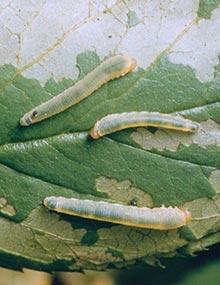
Roseslug caterpillars (Endelomyia aethiops) are present in summer. They produce one generation per year.
Reviewed
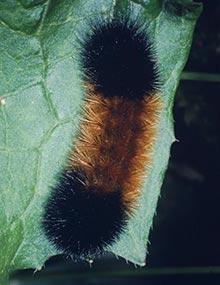
Banded woollybear caterpillars (Pyrrharctia isabella) are present in the spring and from late summer to late fall. They produce one to two generations per year.
Reviewed
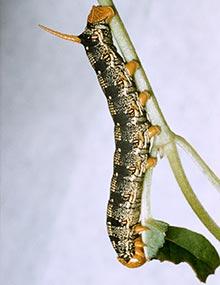
Catalpa sphinx caterpillars (Ceratomia catalpae) are present from early summer to early fall. They produce multiple generations per year.
Reviewed
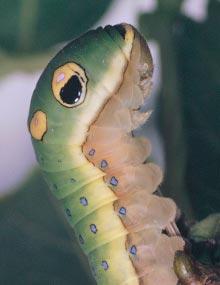
Spicebush swallowtail caterpillars (Papilio troilus) are present from May to October. They produce two to three generations per year.
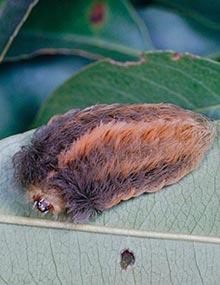
Reviewed
Crinkled flannel moths caterpillars (Lagoa crispata) are present in summer and fall. They produce two generations per year.
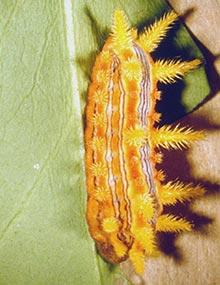
Reviewed
Stinging rose caterpillars (Parasa indetermina) are present in summer and fall. They produce one to two generations per year.
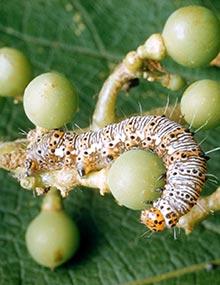
Reviewed
Eight-spotted forester caterpillars (Alypia octomaculata) are present from spring to early fall. They produce one to two generations per year.
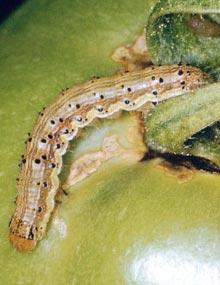
Reviewed
Tomato fruitworm, corn earworm caterpillars (Helicoverpa zea) are present in mid-June. They produce two generations per year.
Reviewed
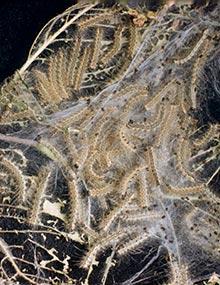
Fall webworm caterpillars (Hyphantria cunea) are present from spring to fall. They produce two to three generations per year.
Reviewed
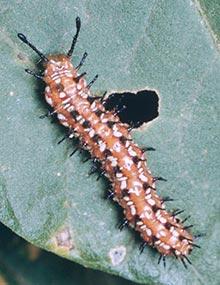
Variegated fritillary caterpillars (Euptoieta claudia) are present from June to October. They produce multiple generations per year.
Reviewed
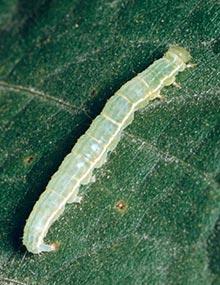
Green cloverworm caterpillars (Hypena scabra) are present from summer to fall. They produce three generations per year.
Reviewed
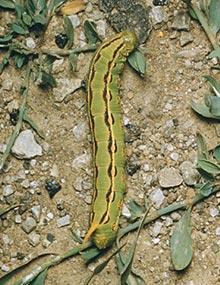
Whitelined sphinx caterpillars (Hyles lineata) are present from spring to early fall. They produce one to two generations per year.
Reviewed
Learn how pelvic measurements can help estimate calf birth weight and reduce calving difficulty in beef cattle.
Reviewed
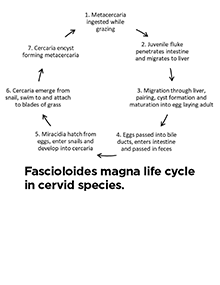
Cattle operations should evaluate their risk for is Fascioloides magna, also known as the deer fluke or the giant liver fluke. Learn about its distribution in Missouri, its life cycle, treatment and more in this guide.

Reviewed
Explore four decision-making techniques to help community groups identify and prioritize projects effectively.

Reviewed
Common ragweed commonly grows to 18 inches. Leaves are simple, alternate, smooth and deeply lobed. Often the lobes are lobed again.
Reviewed
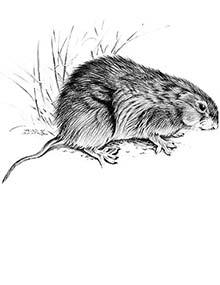
Meadow voles and prairie voles spend most of their lives above ground, living in and feeding on grasses and seeds. They may travel as far as 1/4 mile in search of food and cover. Their typical habitat includes lightly grazed pastures, old fields and grassy areas, lawns and gardens.