Image
Revised
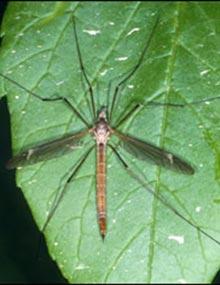
Billbugs, crane flies and mole crickets are subsurface-feeding insects that can cause turfgrass damage.
Revised
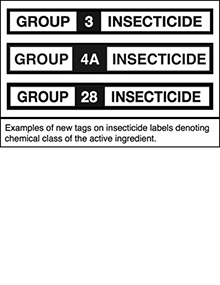
Insecticide use should be the last resort in managing insect pests, but may be necessary even with a careful integrated pest management plan in place.
Revised
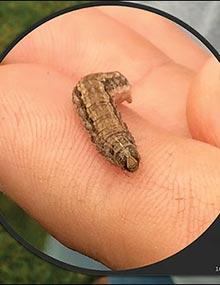
Surface-feeding insects can cause turfgrass damage: fall armyworms, bermudagrass mites, chinch bugs, cutworms, greenbug aphids, mealybugs and sod webworms.
Revised
Proper insulation and air sealing reduce heating and cooling costs, enhance comfort, and improve energy efficiency in your home.
Reviewed
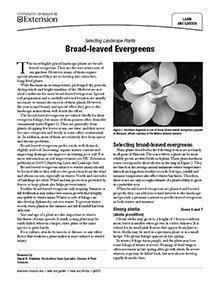
Tips on selecting broad-leaved evergreen plants for your landscape, from ideal soil conditions to winter care, enhancing year-round beauty and structure.
Revised
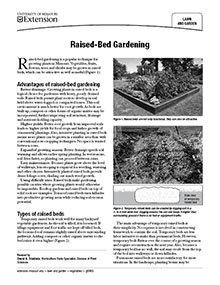
Raised-bed gardening enhances soil drainage and root health, offers customizable design options and extends the growing season for better yields.
Reviewed
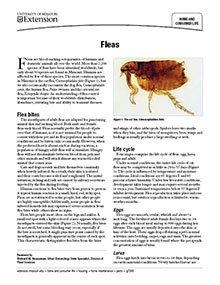
There are about 30 species of fleas in Missouri and many pose a health risk to pets and humans. Visit our site today to learn more about fleas.
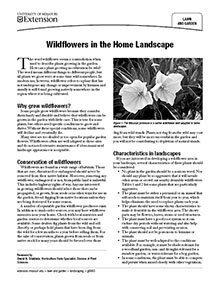
Reviewed
Learn how to design, locate and care for a wildflower garden; and what wildflowers suitable for shaded or sunny locations in Missouri. Tips on collecting native plant seeds and other propagation methods are included in this MU Extension guide.

Revised
Springtails are tiny, wingless creatures that thrive in moist environments, feeding on decaying matter and indicating healthy soil.

Reviewed
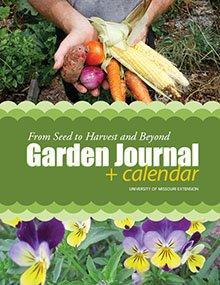
New $30
Our Missouri garden journal is also a how-to guide and information resource. It provides a place to organize gardening info, plans and notes. Gift it to the gardeners in your life. If you are a Master Gardener, treat yourself.

New
This publication describes various fence and water systems appropriate for dairy grazing management.

New
Learn strategies to enhance milk quality in pasture-based dairies, focusing on mastitis prevention, somatic cell count reduction, and best management practices.

New
Ticks are vectors of disease in domestic and wild animals throughout the world. Visit our site to learn about Ticks and Tick-borne Diseases.
Reviewed $20
Editor's note
The following abstract describes a publication that is only available for purchase or as a downloadable PDF.

Revised
Editor's note
This publication is currently unavailable while it is being revised. For more information contact Jo Britt-Rankin.

Revised
Editor's notes
The following abstract describes a publication that is only available as a downloadable PDF.
This publication is a revision of North Central Regional Research Publication No. 221 (NCR221).
Revised
Editor's note
This publication is currently unavailable while it is being revised. For more information, Contact Jo Britt-Rankin.

New
Changes in land use have resulted in a loss of habitat for many wildlife species that are dependent on early successional plant communities for food and cover.

New
Protecting shrubs and thickets and allowing plant succession to advance can create areas of escape cover that are valuable habitats for bobwhite quail.

New
Editor's note
The following abstract describes a publication that is only available as a downloadable PDF.

New
The ideal bobwhite quail habitat has a mixture of three plant communities, interspersed closely together.

New
The bobwhite quail is not the only wildlife species that has benefited from these management practices. Research has shown that more than 100 species benefit from the creation and management of early successional plant communities in Missouri.

New
Learn how to establish and manage field borders and edge-feathering techniques to enhance wildlife habitats on agricultural lands.