Image

Reviewed
Learn how to maintain your home's heating system for efficiency, safety, and comfort with practical tips on furnaces, ducts, and radiators.
Reviewed
Editor’s note
The PDF version of this publication includes illustrations.

Reviewed
Optimize crop yields and profitability with strategic management practices, including seed selection, planting techniques, and cost-effective weed control.
Reviewed
The abomasum is the fourth, or "true," stomach in the cow. It normally lies low down in the right front quadrant of the abdomen, just inside the seventh through 11th ribs (Figure 1). Adjacent to the abomasum, on the left side of the abdomen, is the large first stomach, or rumen (Figure 2).
Reviewed
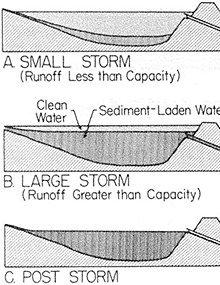
This guide details the operation and maintenance of a bottom-withdrawal spillway, which uses a siphon system to improve water quality in reservoirs.
Reviewed
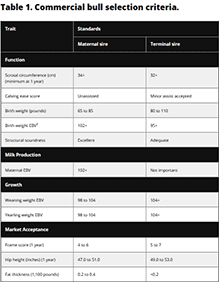
Judging contests are an important educational tool. Someday young cattle producers will be faced with selection decisions that affect the profitability of their operations. This guide can be used to train youth interested in modern beef selection practices.1
Reviewed
Crownvetch, Coronilla varia L., is a cool season, hardy, perennial legume. It is not a true vetch, although it resembles common and hairy vetch. Crownvetch spreads from rhizomes and will form a dense cover. It has been used for soil stabilization and as an ornamental for many years.
Reviewed
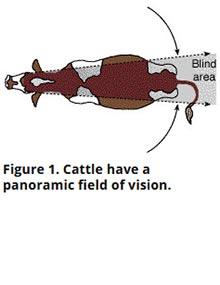
Yet animal-related accidents cause numerous deaths and serious injuries each year. Removing hazards brings you one step closer to a safe work environment.
Reviewed
Alfalfa is the most productive legume for Missouri. Visit our website today to learn more about Alfalfa.
Reviewed
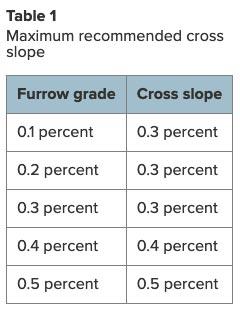
Land grading is used for irrigation and subsequent drainage. Visit our site for our Land Grading for Irrigation: Design and Construction guide.
Reviewed
A good health program is critical to successful calf backgrounding. Visit our website today to learn more about backgrounding calves.
Reviewed
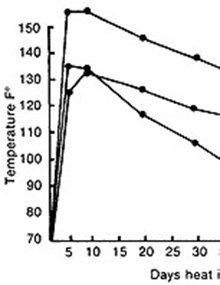
Properly making and storing hay and greatly reduce dry matter loses. Visit our site to learn about Making and Storing Quality Hay.
Reviewed
Dehumidifiers reduce the moisture in the air. They provide comfort for people and reduce or eliminate deterioration of equipment due to rust, rot, mold and mildew.
Reviewed
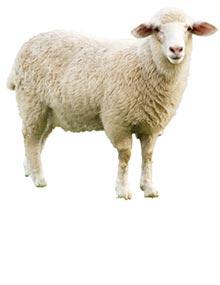
Ultrasonic technology allows early, non-invasive pregnancy detection in sheep, helping farmers identify pregnant ewes for better flock management.
Reviewed
Two major tasks are involved in the successful completion of a new farm building — choosing the right building and selecting a good contractor to build it.
Most buildings constructed today are "pre-engineered," or package-type, buildings.
Reviewed
An average interval of 70 days from calving to first breeding and a high fertility rate are important to maximize efficiency in dairy herds. The results are more milk and calves at reduced cost.
Reviewed
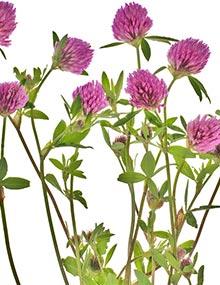
Red clover is the most widely grown of all the true clovers. Visit our website today to learn more about red clovers.
Reviewed
Winter and spring barleys are available, but testing in Missouri indicates spring barley does poorly. Plus, six-row barleys have higher yield potential than two-row barleys in Missouri. Therefore, this publication covers only the six-row winter barleys.
Reviewed
Reviewed
Determine forage moisture content accurately using a microwave oven with this step-by-step guide, ensuring optimal harvest and storage conditions.
Reviewed
Reviewed
At some time you may face a heating emergency. Visit our site for our Preparing for an Emergency: Home Heating in an Emergency guide.
Reviewed
Birdsfoot trefoil and Kentucky bluegrass will produce three times as much beef as unimproved bluegrass. Even heavily fertilized bluegrass will produce only 65 percent as much animal product as trefoil-bluegrass combination. See Table 1.
Reviewed
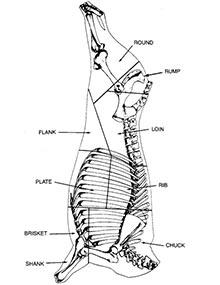
A beef animal selected for slaughter should be healthy and in thrifty condition. Visit our site to learn about home slaughtering and processing of beef.