Image
Reviewed
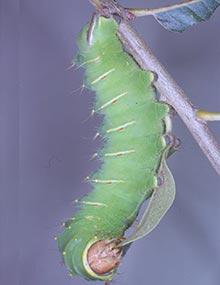
Polyphemus moth caterpillars (Antheraea polyphemus) are present from May to October. They produce multiple generations per year.
Reviewed
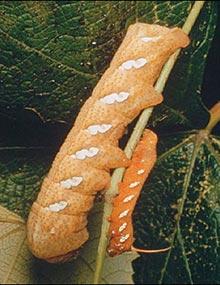
Achemon sphinx caterpillars (Eumorpha achemon) are present from early summer to fall. They produce one to two generations per year.
Reviewed
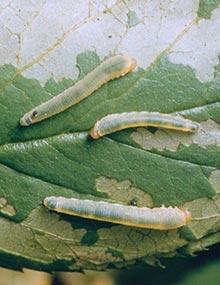
Roseslug caterpillars (Endelomyia aethiops) are present in summer. They produce one generation per year.
Reviewed
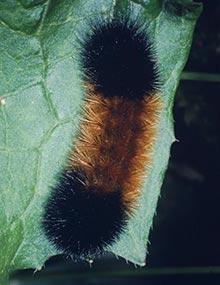
Banded woollybear caterpillars (Pyrrharctia isabella) are present in the spring and from late summer to late fall. They produce one to two generations per year.
Reviewed
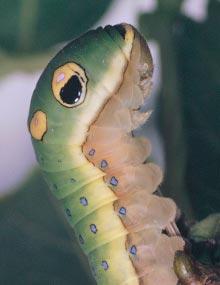
Spicebush swallowtail caterpillars (Papilio troilus) are present from May to October. They produce two to three generations per year.
Reviewed
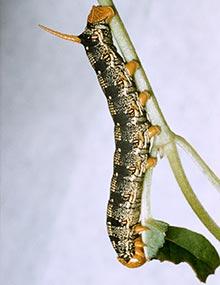
Catalpa sphinx caterpillars (Ceratomia catalpae) are present from early summer to early fall. They produce multiple generations per year.
Reviewed
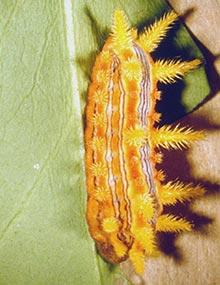
Stinging rose caterpillars (Parasa indetermina) are present in summer and fall. They produce one to two generations per year.
Reviewed
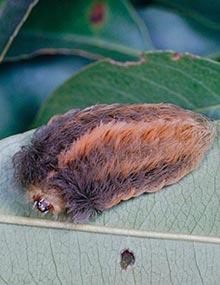
Crinkled flannel moths caterpillars (Lagoa crispata) are present in summer and fall. They produce two generations per year.
Reviewed
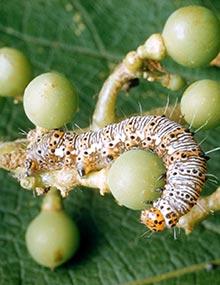
Eight-spotted forester caterpillars (Alypia octomaculata) are present from spring to early fall. They produce one to two generations per year.
Reviewed
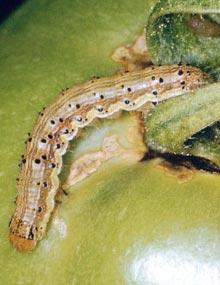
Tomato fruitworm, corn earworm caterpillars (Helicoverpa zea) are present in mid-June. They produce two generations per year.
Reviewed
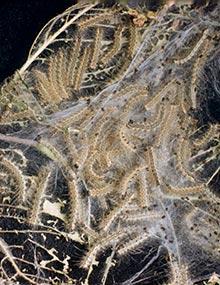
Fall webworm caterpillars (Hyphantria cunea) are present from spring to fall. They produce two to three generations per year.
Reviewed
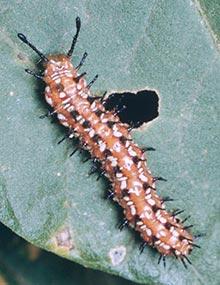
Variegated fritillary caterpillars (Euptoieta claudia) are present from June to October. They produce multiple generations per year.
Reviewed
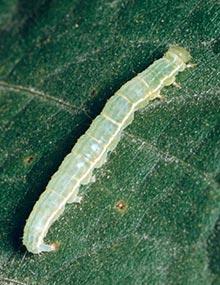
Green cloverworm caterpillars (Hypena scabra) are present from summer to fall. They produce three generations per year.
Reviewed
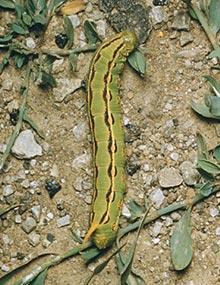
Whitelined sphinx caterpillars (Hyles lineata) are present from spring to early fall. They produce one to two generations per year.
Reviewed
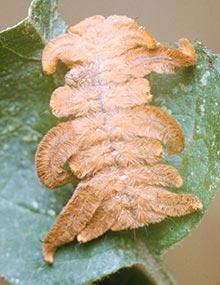
Hag moths caterpillars (Phobetron pithecium) are present in summer and fall. They produce one generation per year.
Reviewed
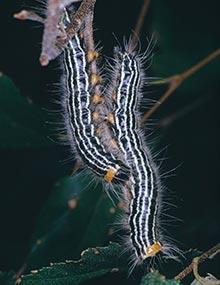
Yellownecked caterpillars (Datana ministra) are present from July to September. They produce one generation per year.
Reviewed
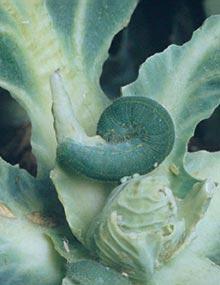
Imported cabbageworm caterpillars (Pieris rapae) are present from early spring to summer. They produce multiple generations per year.
Reviewed
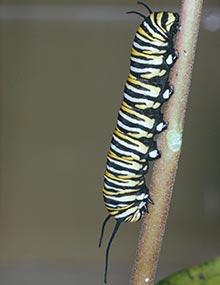
Monarch caterpillars (Danaus plexippus) are present in summer months. They produce multiple generations per year.
Revised
This guide offers practical advice on selecting, planting, and maintaining peach and nectarine trees for optimal fruit production.
Reviewed
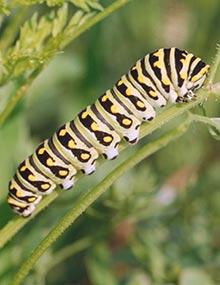
Parsleyworm caterpillars (Papilio polyxenes) are present from May to October. They produce three generations per year.
Reviewed
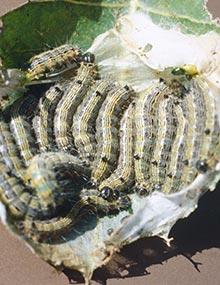
Poplar tentmaker caterpillars (Clostera inclusa) are present from spring to fall. They produce two generations per year.
Reviewed
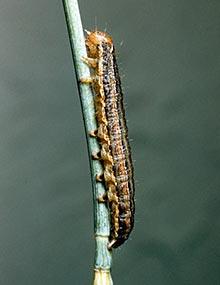
Armyworm caterpillars (Pseudaletia unipunctata) are present from early summer to fall. They produce three generations per year.
Reviewed
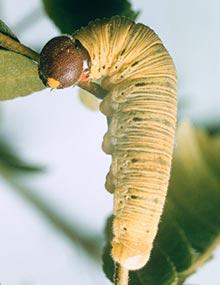
Silverspotted skipper caterpillars (Epargyreus clarus) are present in summer and fall. They produce two to three generations per year.
Reviewed
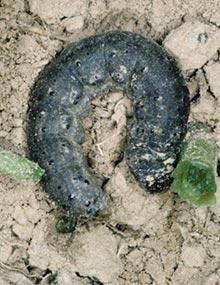
Black cutworm caterpillars (Agrotis ipsilon) are present from late spring to fall. They produce one to three generations per year.
Reviewed
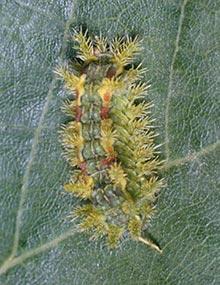
Spiny oak slug caterpillars (Euclea delphinii) are present in summer and fall. They produce one to two generations per year.