Section 1: Policy, Systems and Environmental (PSE) Change
What do we need to know before we begin?
Social Drivers of Health
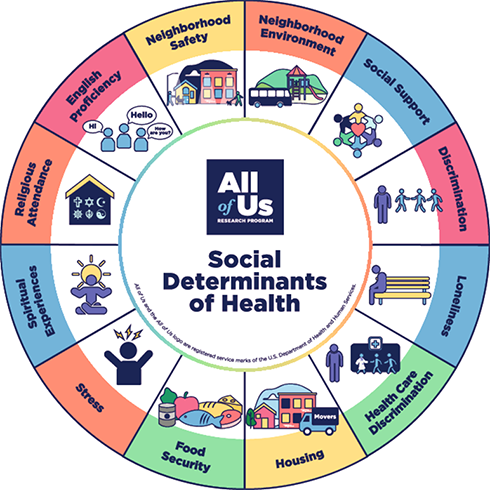
The Social Drivers of Health (sometimes referred to as the Social Determinants of Health) are the things that surround our everyday lives that affect our health behaviors. These factors can account for 75% of our health outcomes and drastically alter someone’s quality of life. Everything from where we are born to who we surround ourselves with can change all aspects of our health and well-being positively or negatively. These are things to review when assessing our community’s needs. If a certain area could be stronger, consider a project that would improve that sector.
What is PSE?
Policy, systems and environmental (PSE) strategies are changes that affect how people think and act by making the community healthier and happier for a long time. In other words, we want everything surrounding someone in their day to support making a healthy choice.
PSE changes are important for many reasons. They address the root causes of many health or environmental issues rather than just putting a bandage on problems in the community. They can lead to prevention of problems in the future. Tobacco ordinances that reduce the amount of smoking-related diseases are an example of this. A simpler example is having a policy at a local gym that allows children or older adults to use the facility for a discounted price or even for free.
PSE change examples
This section includes specific examples of how you could lead a PSE effort to affect community health. These examples will help you think of ideas that you could work on in your community. Don’t forget, you can ask the specialists at your Extension office for more details!
Community environment
Your environment is where you eat, learn, live, play, shop, worship and/or work. Examples of PSE change:
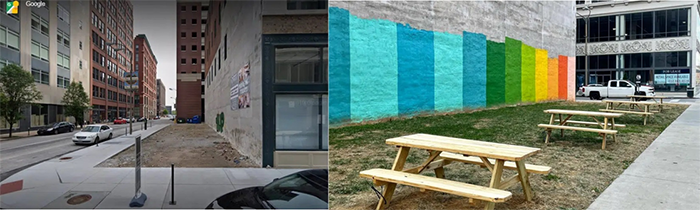
- Downtown “beautification”: façade improvements, planters, trees, benches, lighting, trash pick-up days or addition of trash/recycling receptacles with a maintenance plan, etc.
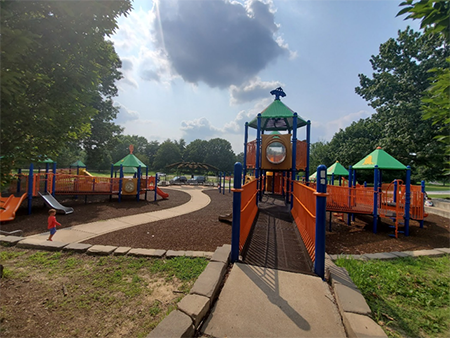
- New or updated parks with accessible equipment
- Repurposing of abandoned lots
- Working on changing zoning rules to allow for mixed-use development: offices, residential, commercial, etc.
- Improvement of public transportation systems
Social support
Social support means having support in place in times of need or crisis. This could be support for emotional, informational, esteem or tangible needs. It could also include having an accountability partner or reducing loneliness. Examples of PSE change:
- Placemaking: Planning and creating public spaces that are welcoming for people who use them
- Accessible public transportation for people with disabilities or mobility limitations
- Creating an updated community resource list that is held by the Chamber of Commerce or Health Department
- Family leave policies
- Services for new immigrants or refugees (language lessons, new cultural norms, community connections, etc.)
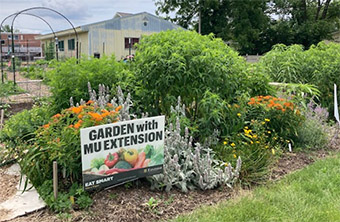
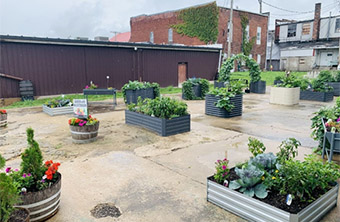
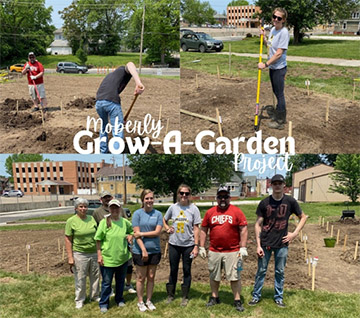
- Community gardens
- MU Extension Community Garden Toolkit
- Get in touch with the MU Extension Master Gardener program
Mental/emotional health
Mental and emotional health is the ability to cope with and be aware of your emotions. It is important to be able to deal with challenges, have healthy relationships, manage negative emotions and have a better sense of overall well-being. Examples of PSE change:
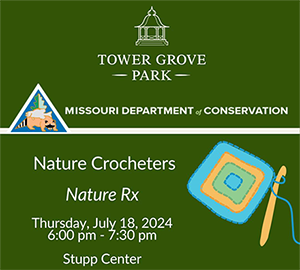
- Nature prescriptions including some Missouri options
- Improved access to parks or areas with grass and plants or water
- Implement a digital or electronic shutdown policy for 1 hour every week or month in the community or at a workplace
- Mandated training for employees on signs of burn-out, stress, other mental-health concerns and connections to resources available
- Mandating minimum amounts of vacation/PTO
- Increasing the number of school counselors
Food security/nutrition
Food security ensures consistent access to safe, affordable and, ideally, nutritious food. Examples of PSE change:
- Increasing the number of farmers’ markets that accept SNAP (previously known as food stamps or EBT)
- Farm to School initiatives that encourage schools to serve foods from local producers
- Zoning laws that limit the number of fast-food restaurants
- Universal free meals for students
- Increasing the number of summer feeding sites
- Healthy retail guidelines to encourage healthier food choices at concession stands
- Fruit and vegetable voucher programs (seniors farmer’s markets, WIC, etc.) or asking local vendors to sponsor programs
- Food recovery programs
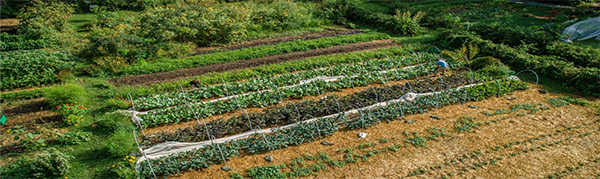
- Changing zoning to allow for urban agriculture
- Engage in the Missouri Eats process to strengthen the local food system
Housing
Does everyone in the community have safe shelter accessible to them? Examples of PSE change:
- New or improved shelters or other short-term housing for those who need it
- Affordable housing developments (preferably mixed-income developments)
- Infrastructure improvements (public water systems, hazardous waste remediation, lead paint testing, etc.)
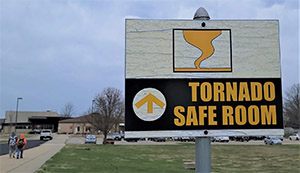
- Emergency preparedness (providing smoke alarms, carbon monoxide detectors, community tornado shelters, etc.); the local health department, fire department or municipality might sponsor these for low income households.
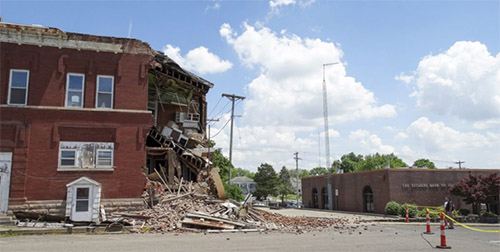
- Funding for repair or removal of dilapidated/unsafe building
Outside environment
You can take simple steps to reduce your exposure to lead in contaminated soils or dust.
- Talk with EPA about testing your yard or private well
- Get your child tested for lead poisoning, even if he or she seems healthy
- Wash hands – especially children’s – after handling soil, playing outside, and before meals
- Take shoes off at the door; clean children’s feet and pet’s paws/fur at the door
- Damp (not dry) mop and dust surfaces regularly; keep toys and play areas clean
- Make sure children eat nutritious meals high in iron and calcium
- Practice safe gardening and wash foods grown in contaminated soil
- Be aware of other sources of lead and try to minimize your overall exposure
Physical activity
How can you increase access for people to engage in safe, accessible physical activity? Examples of PSE change:
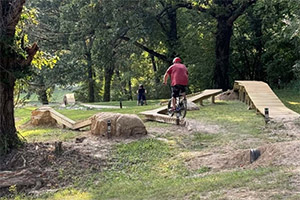
- Improved infrastructure for biking, walking, rolling and any other form of mobility
- Complete Streets or active living policies through walk audits
- New or improved trails
- Working with a local gym to create a policy for youth or older adults to have access to the gym at low or no cost
- Community shared use agreements between schools and the surrounding community so community members can use school facilities
- Insurance premium discounts or other monetary incentives for those who meet physical activity thresholds
- Employer incentives for getting to work without a car (biking, walking, transit, etc.) or other healthy habits
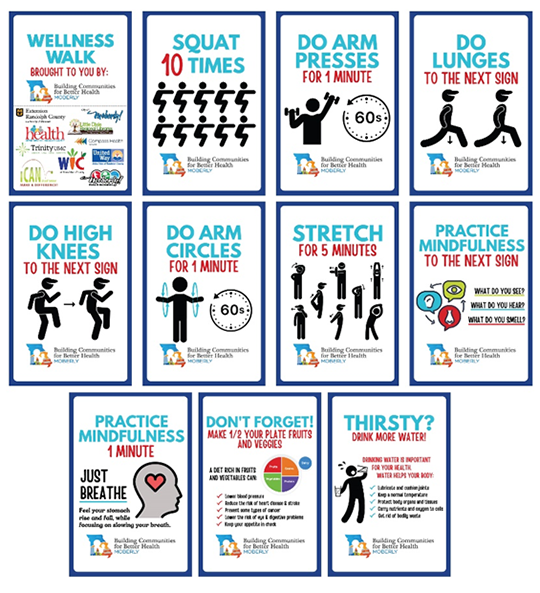
Additional PSE examples
Other PSE examples for your consideration based on community need:
- Incorporation of age-friendly (or aging in place) planning
- Minimum-wage increases
- Smoke-free policies
- Streamlining referrals to apply for public programs
- Improving ADA accessibility - consider needs for wheelchair users and those with low-vision