
Published
MU part of $6.6 million research project on cover crops
COLUMBIA, Mo. – University of Missouri is part of a $6.6 million research initiative to promote soil health through cover crops.Rob Myers, MU adjunct associate professor and north-central regional director of extension programs for the USDA’s Sustainable Agriculture Research Education program, was the lead organizer in obtaining funding for the multistate project.

Published
MU Extension receives USDA tech grant for pastures
COLUMBIA, Mo. – University of Missouri Extension has received a $444,000 grant to create a mobile application to help farmers manage forage better. The Conservation Innovation Grant from USDA Natural Resources Conservation Services is one of 33 nationwide. It provides seed money to implement new ideas and techniques for conservation on private lands, says NRCS state conservationist J.R. Flores.
Published
Lime doesn’t harm K-31 fescue but nitrogen adds to toxicosis
COLUMBIA, Mo. – Adding poultry litter or nitrogen to toxic fescue pastures grows more grass, but also boosts toxins in the grass.A three-year study at the University of Missouri shows liming helps grass but doesn’t increase ergovaline. That toxin harms grazing cattle many ways, mostly in lost production. In recent frigid cold, farmers reported cases of fescue foot caused by the toxin. Cattle losing their hooves must be put down.
Published
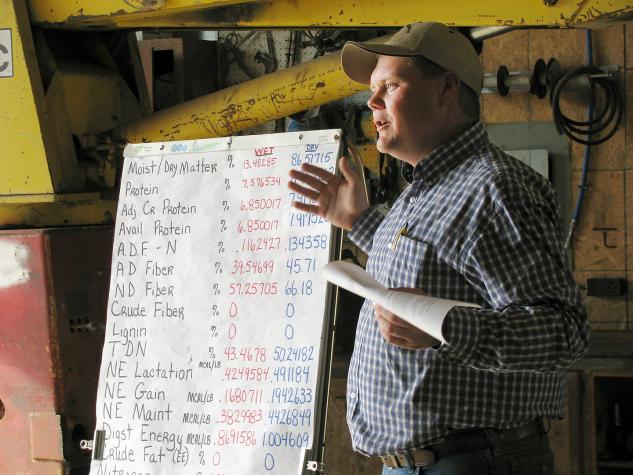
Testing tells alfalfa's worth
Test alfalfa hay to know its true nutritional value, boost livestock performance, and make informed feeding and supplement decisions.
Published
Cold snap brings fescue foot to cows on toxic fescue grass
Cold snaps can trigger fescue foot in cattle grazing toxic fescue, leading to lameness and hoof loss. Early detection helps prevent losses.
Published
Study shows danger of short grazing toxic-fescue pastures by cattle herds
COLUMBIA, Mo. – New forage research gives reason to not graze toxic fescue grass too short. The bottom 2 inches of infected grass holds highest levels of the alkaloid causing problems for grazing livestock. The findings guide ways to manage fescue’s toxic impact, says Craig Roberts, University of Missouri Extension forage specialist. The message for herd owners: Don’t allow cows to grub fescue pastures into the ground.