Published
More than 90% of state in drought as harvest nears
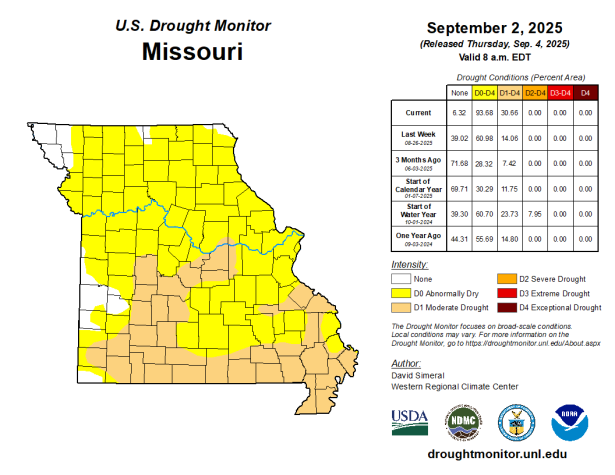
As harvest nears, MU Extension agronomists see signs of flash drought threatening Missouri crop yields. The U.S. Drought Monitor map for Missouri released on Sept. 4 shows that 93.68% of Missouri is at least abnormally dry following an unusually wet spring.

Published
Missouri corn adds a-maize-ing complexity to whiskey
MU Extension researchers are working to help Missouri corn growers who provide corn to distilleries for brewed corn whiskey. As of 2024, the state was home to 71 active craft distilleries. The corn whiskey business, as part Missouri’s broader distilling industry, has a substantial economic footprint.
Published
Scout crops now for corn leafhopper
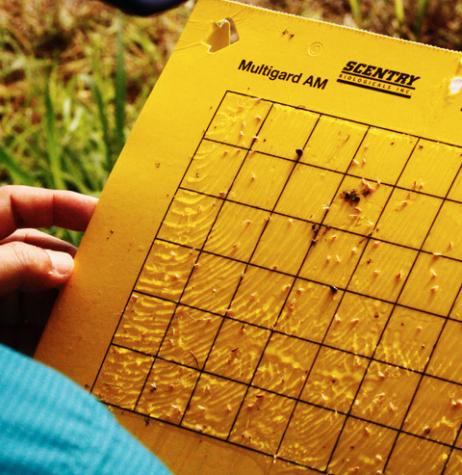
Missouri growers urged to scout corn for invasive corn leafhopper, a tiny yellow pest that spreads corn stunt disease, causing deformed grain and yield loss.
Published
First reports of Japanese beetles received in Missouri
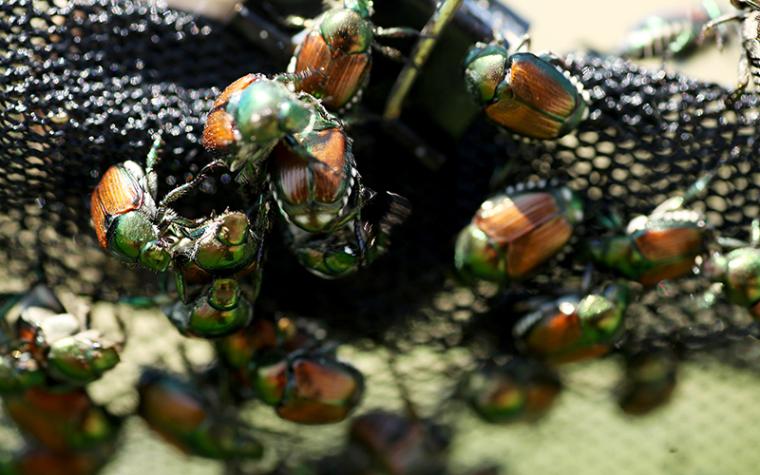
COLUMBIA, Mo. – University of Missouri Integrated Pest Management reports the capture of its first Japanese beetles of the season, says MU Extension crops entomologist Ivair Valmorbida. The beetles appeared in Stoddard, Barton, Christian and Holt counties, as reported by MU’s Pest Monitoring Network, which gathers information from across the state.
Published
Replant or roll with it? MU guide weighs costs, payoffs
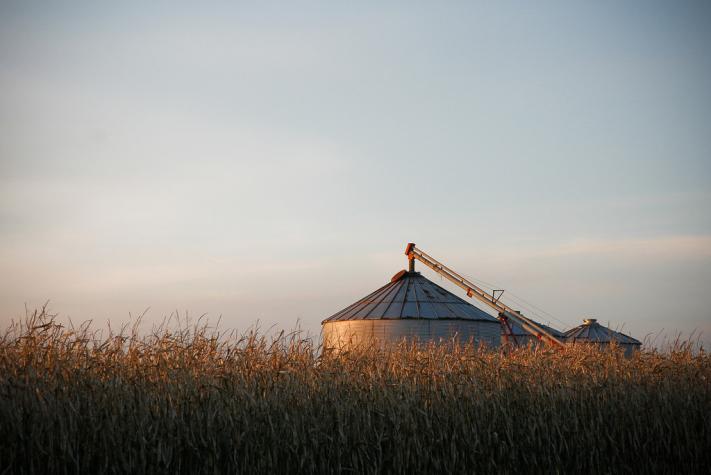
COLUMBIA, Mo. – When faced with a sparse or failed stand, crop producers have to ask themselves a difficult question: Should I replant?
Published
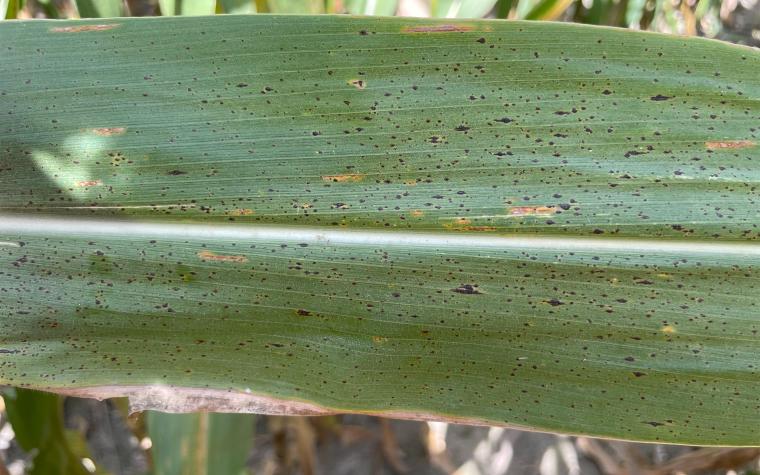
Scout deep into fields for tar spot
Good scouting is the best way to identify tar spot in corn, says University of Missouri Extension state plant pathologist Mandy Bish. Tar spot was confirmed in June of 2023 and 2024 in Missouri, which is earlier than in previous years, when the disease showed up in August or September. This earlier appearance is likely to continue because Missouri’s spring air temperatures are favorable for the disease, says Bish.
Published
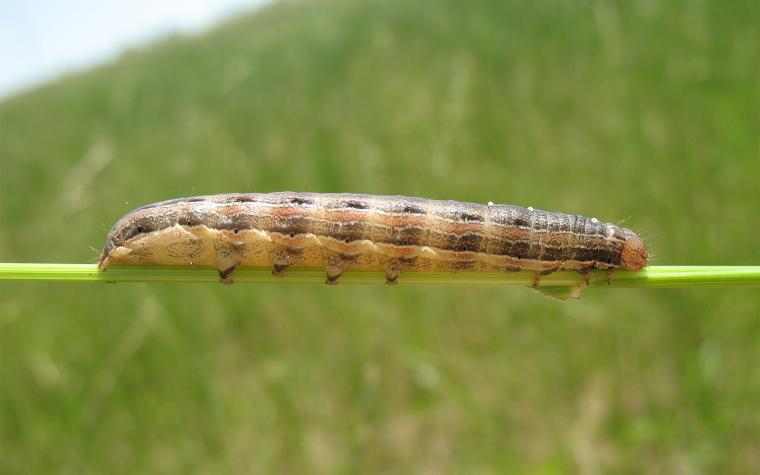
MU IPM issues pest alerts for black cutworm, true armyworm
Corn and wheat producers are alerted to emerging risks from black cutworm and true armyworm; monitor early and sign up for pest alerts.

Published
MU releases payment plan decision tool for corn, soybean, wheat
Free tool helps farmers compare PLC and ARC-CO program payments for corn, soybean, and wheat in 2025.
Published
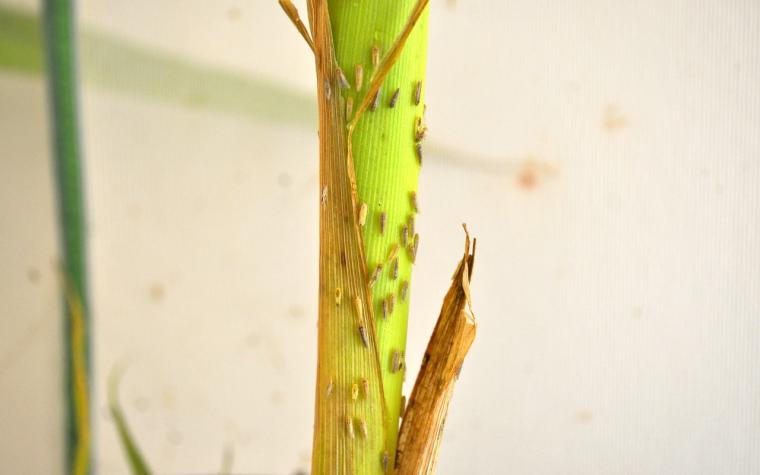
MU Extension guide looks at corn leafhopper
Corn leafhopper, an invasive pest in Missouri since 2024, spreads corn stunt disease, causing yield loss. Scouting and early management are crucial.
Published
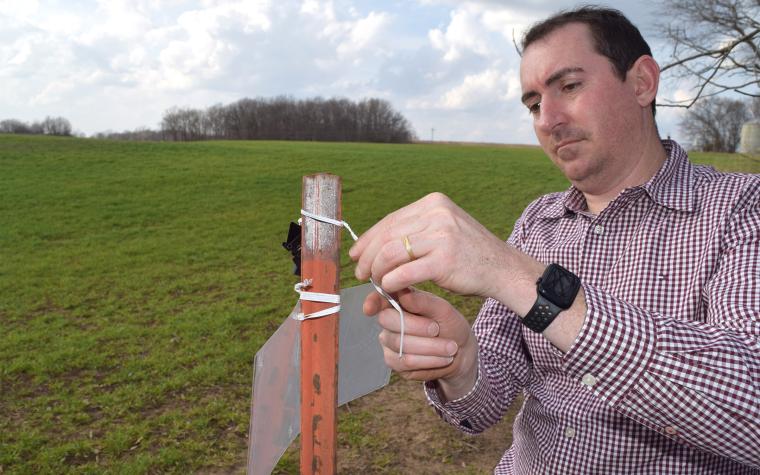
Sign up now for 2025 crop pest alerts
Sign up for free 2025 crop pest alerts to protect fields and gardens from Japanese beetles, armyworms, stink bugs, and more.
Published
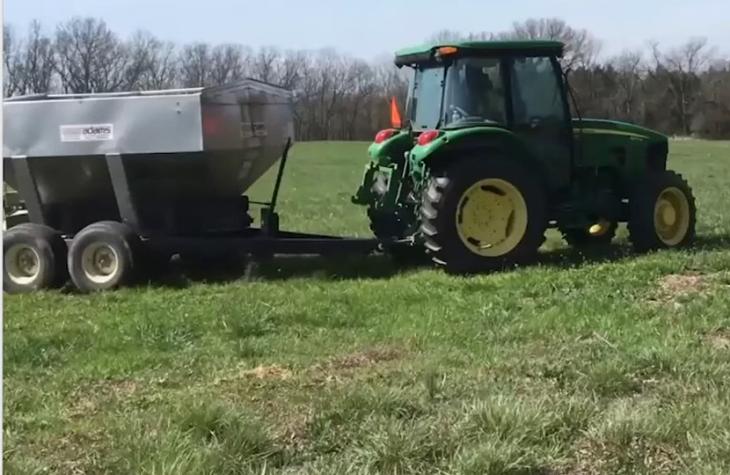
Are there opportunities to cut fertilizer costs in 2025?
Farmers may save on fertilizer in 2025 by reducing phosphorus, potassium, or lime on medium- to high-testing soils without lowering yields.
Published
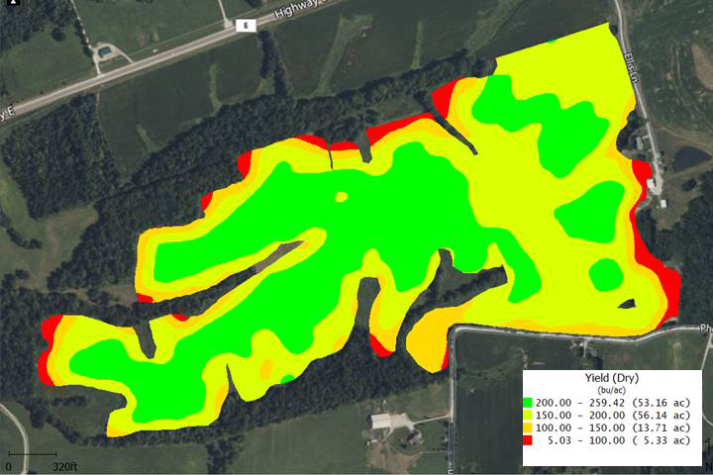
10 ways to manage high input costs in 2025
ST. JOSEPH, Mo. – University of Missouri Extension agronomist Wayne Flanary says 2025 likely will be a year when corn producers need to batten down the hatches to offset low sale prices and high input costs. MU Extension ag business economist Ben Brown and others predict that corn prices will fall below the $4.30 mark by the end of 2025, a marked drop from $6.54 per bushel in 2023.
Published
Look for signs of corn leafhoppers in 2025
Watch for corn leafhoppers in 2025, as they spread corn stunt disease and reduce yields.
Published
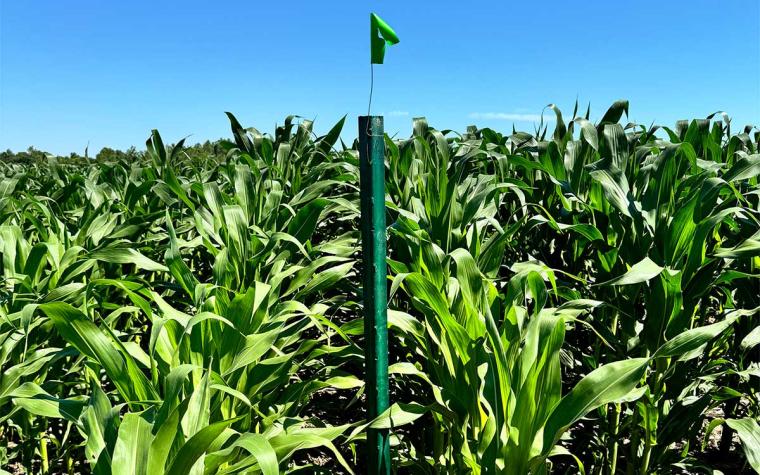
MU Extension joins multistate study of pig manure as corn fertilizer
Researchers study pig manure as a corn fertilizer to compare yields, soil nutrients, and environmental effects in a multistate project.
Published
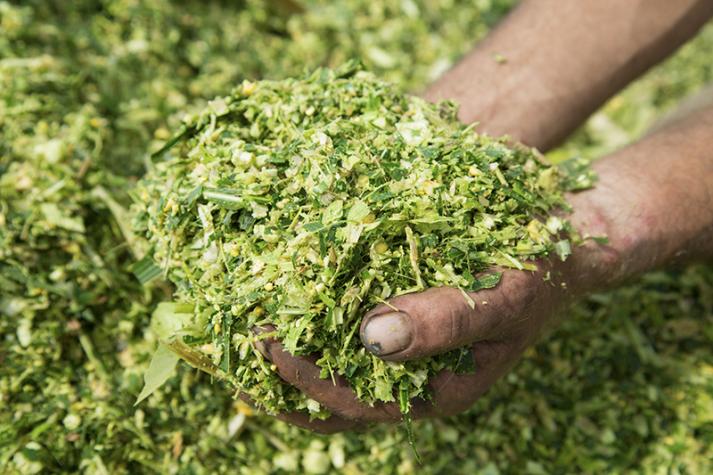
Buying corn silage to feed beef cows in winter
Farmers consider corn silage for winter: higher in digestible nutrients than hay, but costlier and spoilage-prone unless stored and hauled carefully.
Published
Avoid applying fall anhydrous in northern, central Missouri
Northern‐central Missouri fields face high nitrogen loss risk when applying anhydrous ammonia in fall; soil temps need to drop below 40°F.
Published
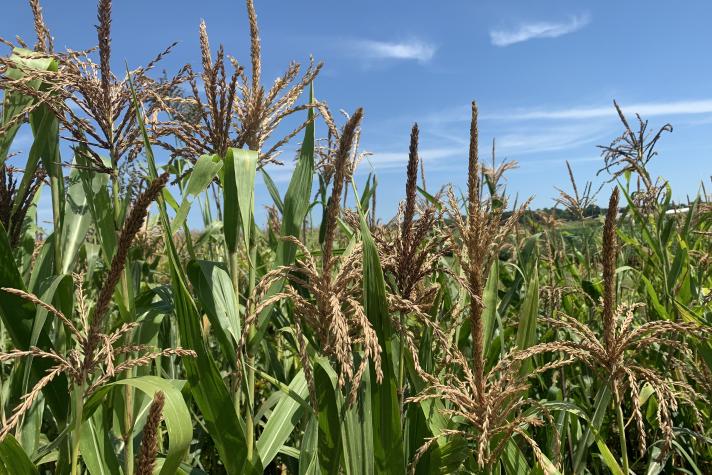
Corn planting pops at MU Hundley-Whaley Center
Two acres of popcorn are planted annually in Albany. Colorful varieties are grown for fundraisers, local events and shared community-filled popcorn outreach.
Published
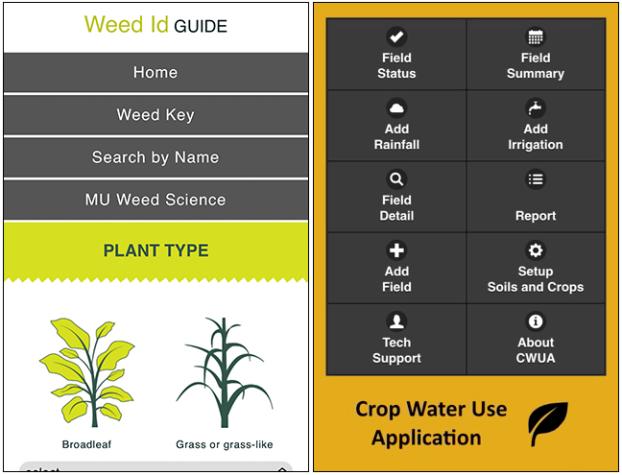
MU Extension offers listing of farm apps
Explore mobile tools to support farm decisions—from weather and crop models to weed identification and water use planning.
Published
Late planting, wet harvest require special storage attention
Late-planted or wet-harvested corn needs careful storage to prevent mold, manage moisture, and maintain quality.
Published
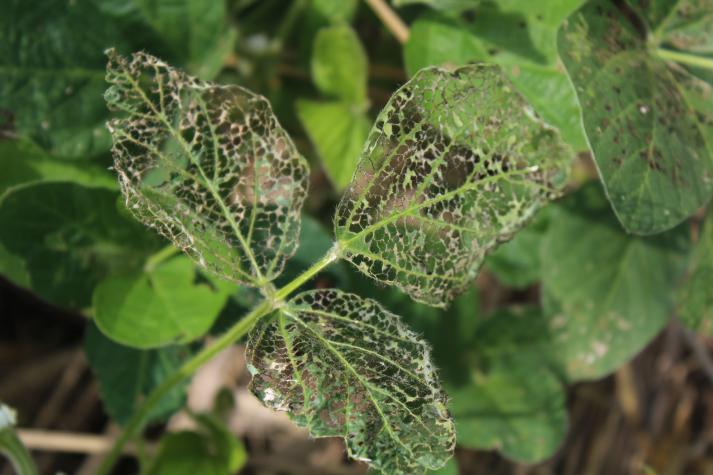
Japanese beetle numbers increasing in corn, soybean
Japanese beetles are rising in corn and soybean fields, causing defoliation and silk clipping. Scouting and timely control are key.
Published
Tar spot growing in Missouri corn crops
Tar spot, a fungal disease affecting corn, has been confirmed in 19 Missouri counties in 2024. Early detection and fungicide application are crucial.
Published
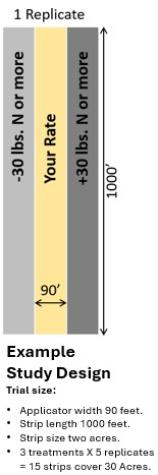
Strip trials an effective way to test nitrogen rates on cornfields
Test corn nitrogen rates effectively with on-farm strip trials to optimize yields and manage fertilizer costs.
Published
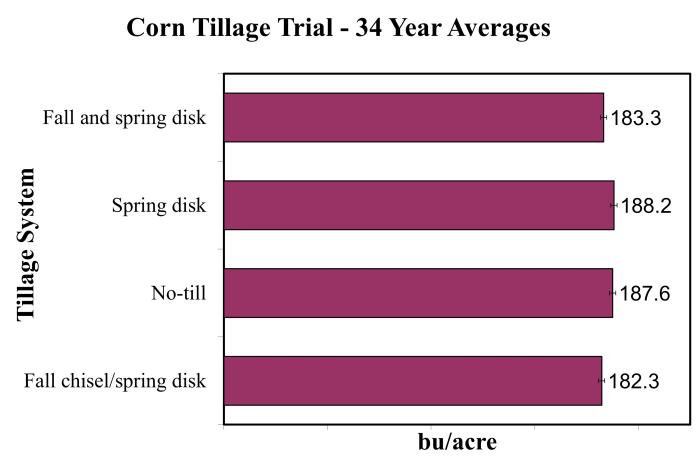
MU Graves-Chapple Center compares corn, soybean tillage systems over decades
Decades of research in northwest Missouri show no-till farming yields high returns and reduces costs for corn and soybean production.
Published
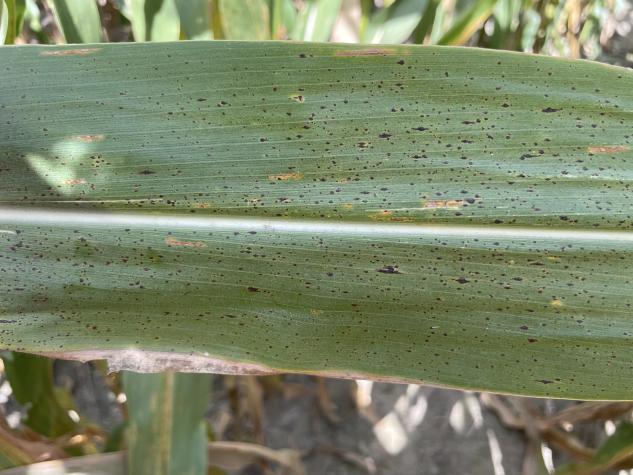
Tar spot now confirmed in about a third of Missouri
Tar spot of corn has spread to 31 Missouri counties since 2019, with early detections in Holt and Marion counties in June 2023.

Published
Cornstalks can fill forage gaps during drought
Grazing cornstalks can help fill cattle feed gaps during drought, but supplementation and careful management are needed.