Published
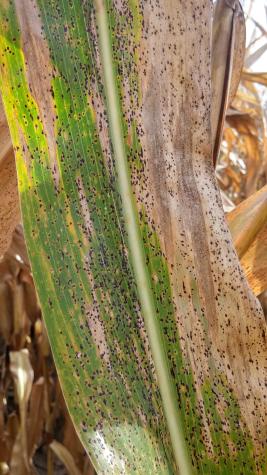
Tar spot of corn confirmed in NE Missouri
Tar spot, a corn disease that can reduce yields, is confirmed in northeastern Missouri. Monitor crops for early signs.

Published
Corn silage as a forage
COLUMBIA, Mo. – An emergency feeding situation is shaping up for Missouri’s beef producers because of the drought. University of Missouri Extension recently hosted University of Wisconsin agronomist Joe Lauer on the MU Extension Forage and Livestock Hour to discuss his research on corn silage as a forage.
Published
Plants respond to heat differently than humans
COLUMBIA, Mo. – Extreme heat affects plants differently than humans.With triple-digit temperatures this summer, grain crop growers should understand how heat affects plants, says University of Missouri Extension agronomist Bill Wiebold.First, human concepts such as “heat index” or “feels like” do not apply to plants, Wiebold says. People and plants feel and react differently to heat.
Published
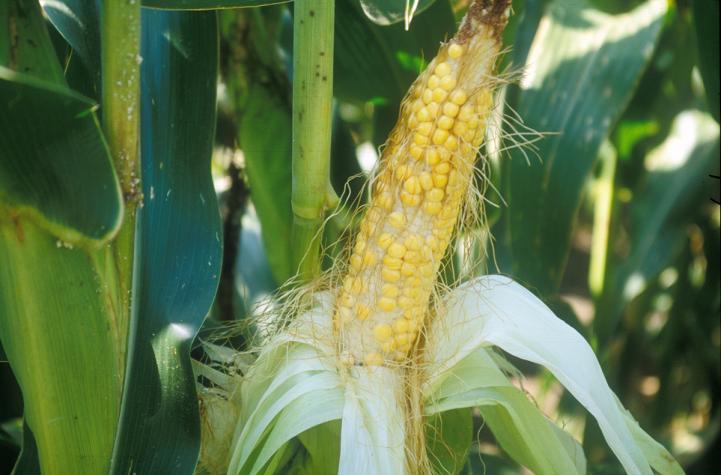
Lack of rainfall during corn's R1 stage spells trouble
Lack of rain during corn's R1 stage can severely impact kernel formation and reduce yields, with drought stress leading to irreversible damage.
Published
MU Extension guide helps farmers with replant decisions
COLUMBIA, Mo. – Challenging weather has forced Missouri farmers to make difficult decisions on whether to replant crops because of sparse stands or delayed planting.
Published
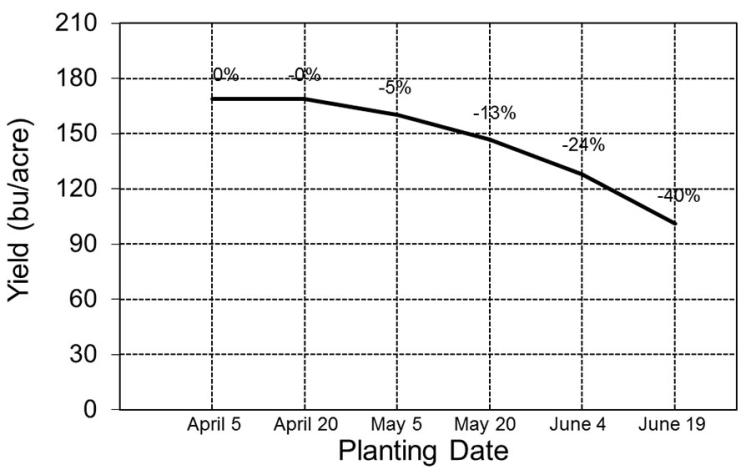
Delayed planting can affect Missouri corn yields
Wet soils delay Missouri corn planting, reducing yield potential as planting moves into May. Weather and timing remain key factors in harvest outcomes.
Published
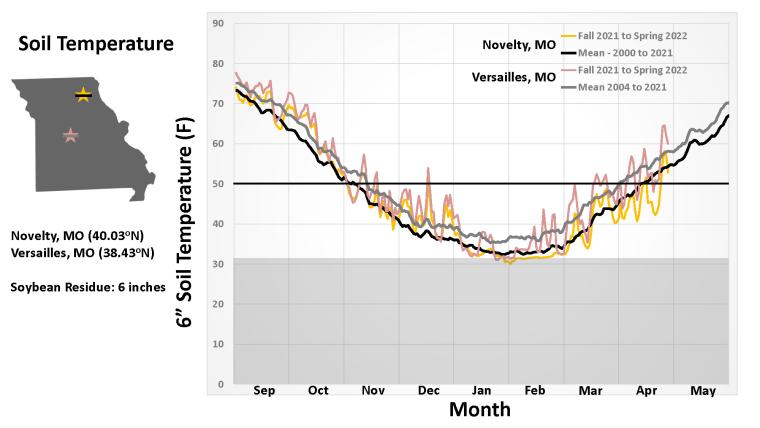
Fall application increases risk of nitrogen loss for corn
Applying nitrogen to corn in fall raises risk of loss before the plant can use it, especially in warmer soils.
Published
Rain, heat increase risk of ponding
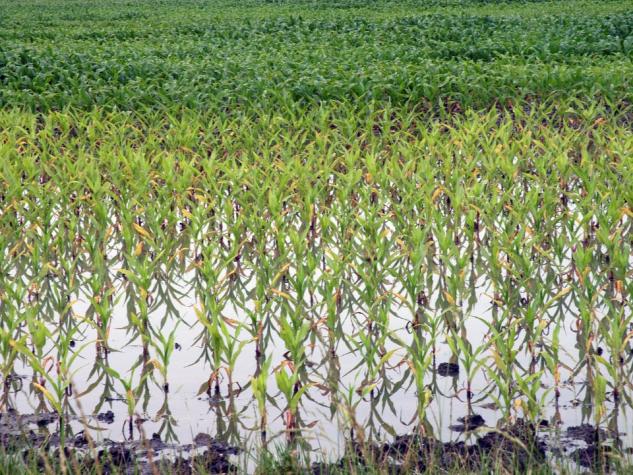
Heavy rain and heat can cause ponding in fields, stressing corn and soybean seedlings and affecting growth and yield.
Published
New MU guide looks at silage breakeven price
COLUMBIA, Mo. – University of Missouri Extension recently released an updated cost analyzer to help farmers estimate the breakeven price to justify harvesting corn as silage rather than grain. “Frequently, corn harvested for silage was planted for harvest as a grain crop,” says Joe Horner, an MU Extension agricultural business and policy specialist. Reasons for this change can include feed needs as well as drought and other events…
Published
Mother Nature's drenchings damage crops
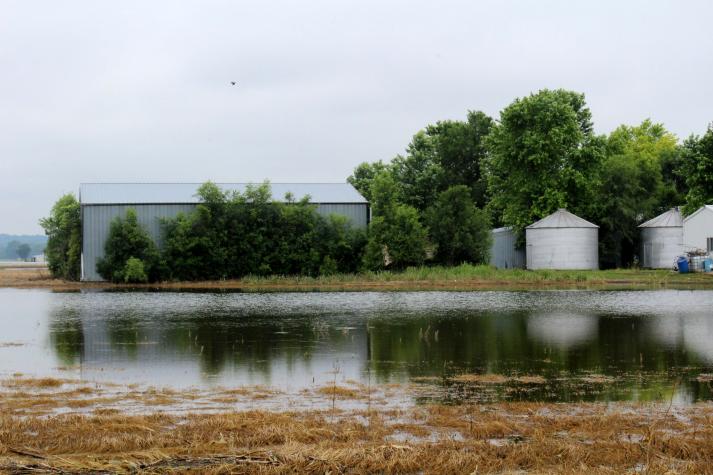
COLUMBIA, Mo. – Mother Nature has not been kind to Missouri agriculture in 2021, says University of Missouri Extension soybean specialist Bill Wiebold.Spring rains delayed corn and soybean planting well beyond the best date for yield, says Wiebold. Then the rain stopped and hot, dry weather slowed growth. Frequent heavy rains added to the misery in Missouri fields.
Published
Spring rains bring root rots to Missouri field crops
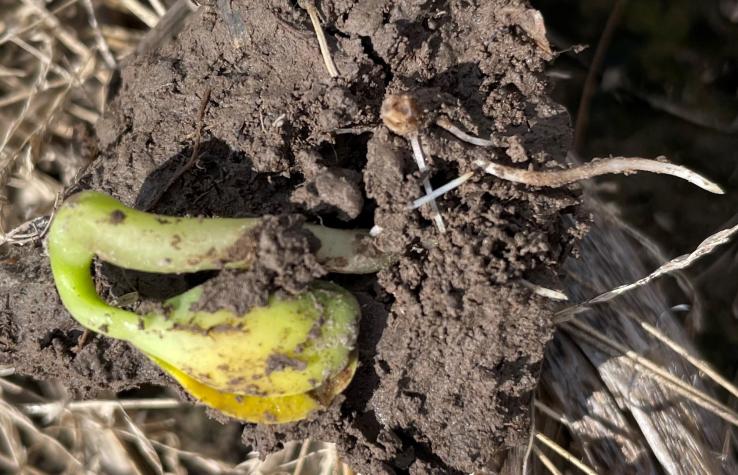
Frequent spring rains set up favorable conditions for seedling and root rotting diseases in corn, soybean and wheat fields across Missouri.
Published
Should soybean be planted before corn? MU research still favors corn
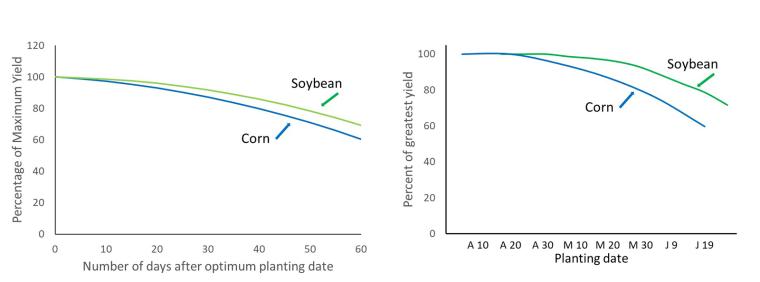
Planting corn before soybean enhances productivity in midwestern rotations. Delaying corn planting can reduce farm efficiency.
Published
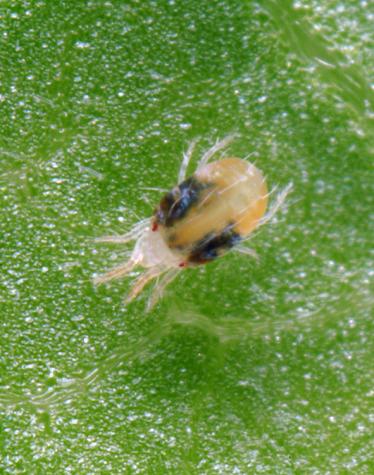
Treat spider mites now
Treat spider mites early to prevent crop damage. Drought conditions can cause rapid population growth. Learn to manage infestations and protect your fields.
Published
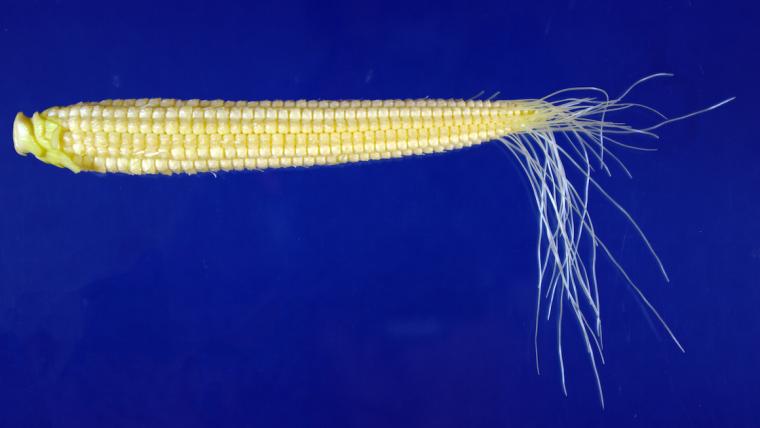
Corn ears tell us what went right, what went wrong
Learn how corn ears reveal pollination success, drought stress, and factors affecting kernel growth for better yield insights.
Published
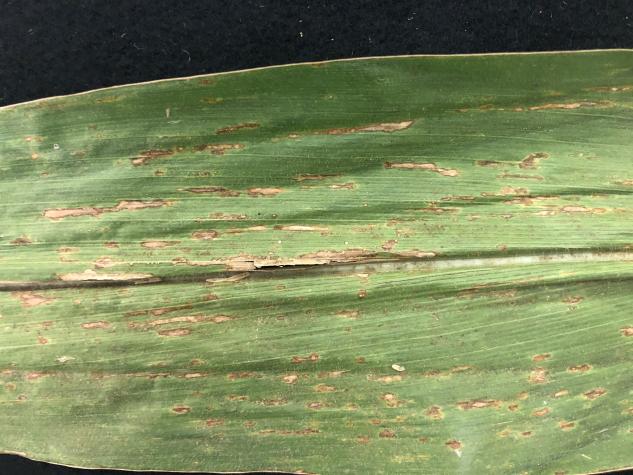
Scout for two emerging corn diseases in Midwest
Missouri corn growers should scout for bacterial leaf streak and tar spot, two emerging diseases causing significant yield losses in neighboring states.
Published
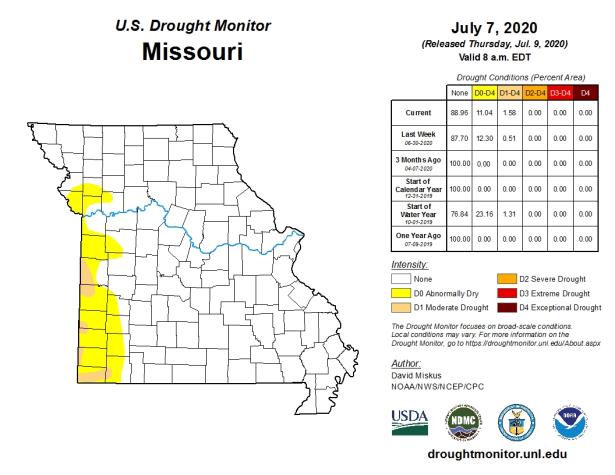
Too little water, too much heat puts tasseling corn at risk
Hot, dry conditions during tasseling can stress corn, reducing yield and kernel size in Missouri fields.
Published
Wet, cool wet weather playing havoc with crops
Cold, wet weather and hail are damaging Missouri corn, soybeans, and wheat. Learn causes, risks, and steps to assess crop injury and recovery.
Published
MU research: Corn emerging in 1-week window has little impact on yield
COLUMBIA, Mo. – Research by University of Missouri Extension agronomists shows that there is little yield difference in unevenly emerged corn. MU Extension agronomist Bill Wiebold researched corn emergence’s effect on yield in 2010 and 2011. Wiebold tagged individual plants from emergence through harvest. He compared the weight and height of early-emerging, mid-emerging and late-emerging plants.
Published
MU Soil and Plant Testing Lab still open and serving Missouri agriculture
COLUMBIA, Mo. – For now, the University of Missouri Soil and Plant Testing Laboratory remains open. “We understand the essential role the lab plays in supporting Missouri's agricultural industry,” said Robert Kallenbach, MU Extension senior program director for agriculture and environment. “If we can continue to operate safely, the MU Soil Testing Laboratory in Columbia will continue to accept samples.”
Published
Precision ag tools
Discover how precision ag tools like sensors, drones, and GPS improve efficiency, cut costs, and boost yields for smarter farming.
Published
Chemical and pesticide use
Excerpted from the Environmental Impact of Missouri Crop Production report
Published
Biotechnology use and adoption of GE crops
Excerpted from the Environmental Impact of Missouri Crop Production report
Published
Tillage practices
Excerpted from the Environmental Impact of Missouri Crop Production report
Published
Fertilizer usage and efficiency
Farmers are improving fertilizer efficiency, producing more crops per unit. Adoption of better nutrient management practices is increasing.
Published
Corn prices headed up?
A significant reduction in corn production could push farm prices to $4.15 per bushel and Chicago Board of Trade prices near $4.50 per bushel.