-
Image
 File photo by Logan Jackson.
COLUMBIA, Mo. – Few things will get a rancher’s attention like that late-night call from the neighbor about the cows being on the highway. Improving pasture fences can reduce the likelihood of that dreaded ringing in the wee hours of the morning.
“Pasture fences are one of the largest infrastructure investments for many cow-calf operations.” Said Drew Kientzy, University of Missouri Extension senior research analyst in agricultural business. “The lean years make fixing the fence that is on its last leg an easy decision, but rusty wires and rotten posts can only hold for so long, and eventually we must bite the bullet to install new fence. Investing the revenues from today’s favorable markets in fence can be a great way to secure your operation’s future. Pasture fences qualify either as a Section 179 deduction or for bonus depreciation, so installing new fence can be a great way to make long-term improvements to the farm while offsetting taxes.”
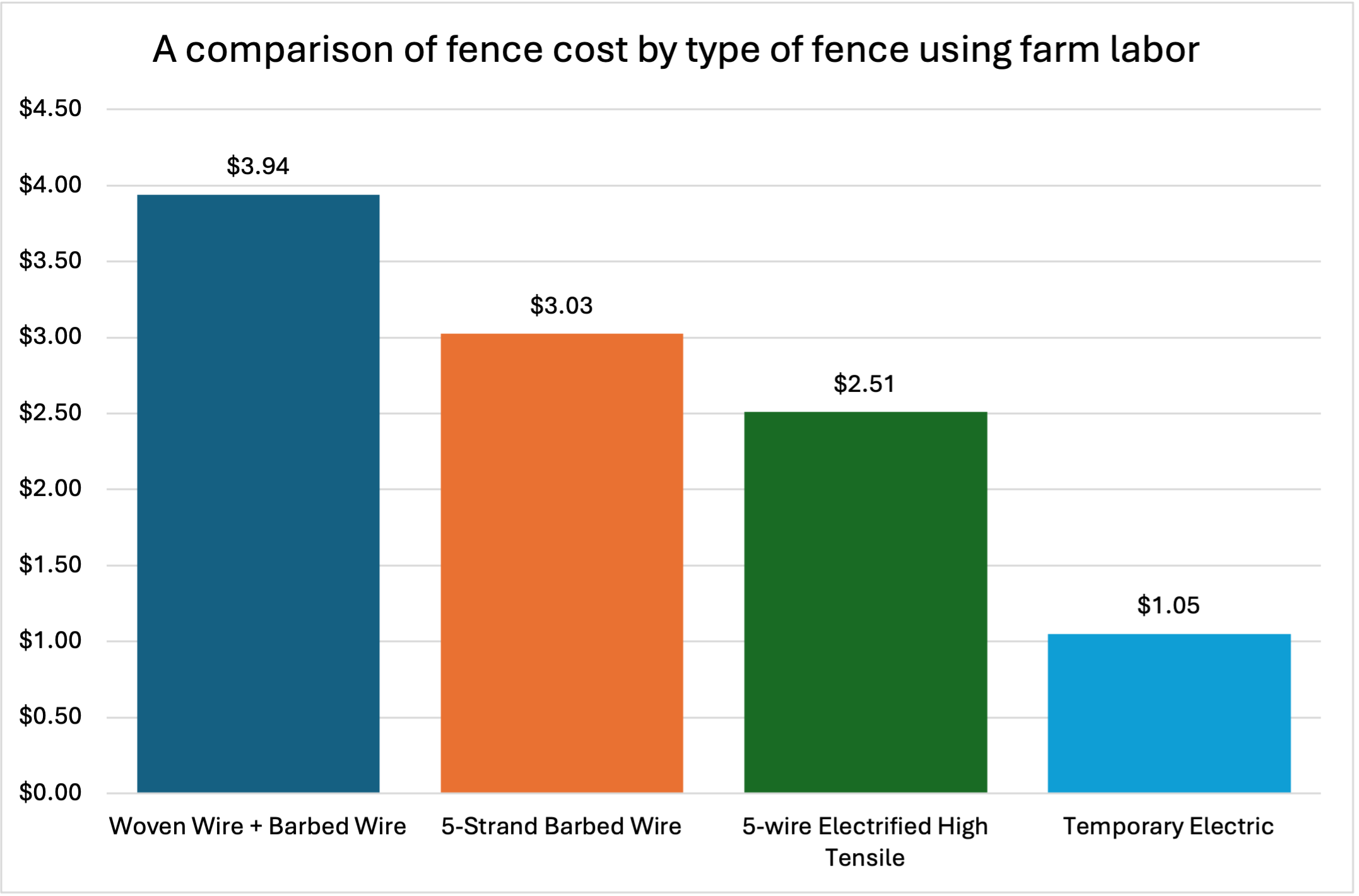
Wondering what your fencing project will cost? The Pasture Fence Construction Budget can help. Recently updated by Kientzy and MU Extension assistant professor Ryan Milhollin, the guide models three common types of permanent perimeter fences: woven-wire topped with a single strand of barbed wire, five-strand barbed wire and five-strand smooth electrified high-tensile wire. The guide also outlines portable electric fence materials for management intensive grazing and a welded steel corral fencing.
With the Pasture Fence Construction Cost workbook for Excel, farmers and fence contractors can model the exact fence to be built on their property and account for material selection and prices, construction methods, the impact of the terrain and the owner’s preference for gates and other accessories.
“Replacing fence of any type is a costly endeavor, and planning your project can help identify the materials needed, time required and the overall cost of the project,” Kientzy said. “With current material prices, a mile of barbed wire fence built with on-farm labor on gently sloping terrain will likely cost around $3 per foot, or nearly $15,000 in materials and labor for the whole project. If a farm chose to expense the fence as a Section 179 deduction, tax savings of $4,500 could be realized, assuming marginal income tax rate of 30%.”
Fences following property boundaries present another challenge because they involve the neighboring landowner. Large investments like fencing can cause tempers to flare quickly. In the event of a dispute, Missouri law spells out the rights of landowners pertaining to property-boundary fences. For an overview of Missouri’s fence law, consult MU Extension’s Missouri Fence and Boundary Law Reference Guide.
Graph
A comparison of fence cost by type of fence using farm labor