Image
Reviewed
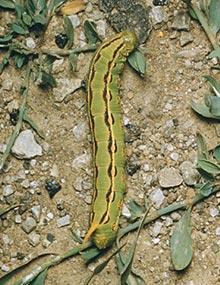
Whitelined sphinx caterpillars (Hyles lineata) are present from spring to early fall. They produce one to two generations per year.
Reviewed
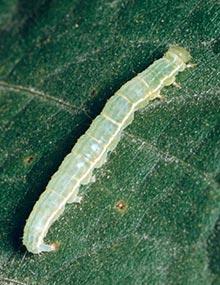
Green cloverworm caterpillars (Hypena scabra) are present from summer to fall. They produce three generations per year.
Reviewed
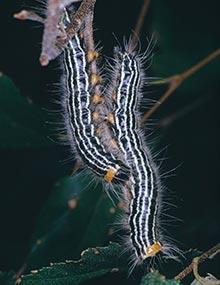
Yellownecked caterpillars (Datana ministra) are present from July to September. They produce one generation per year.
Reviewed
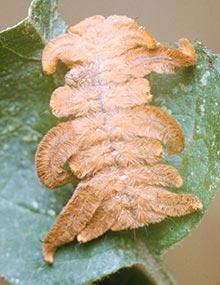
Hag moths caterpillars (Phobetron pithecium) are present in summer and fall. They produce one generation per year.
Reviewed
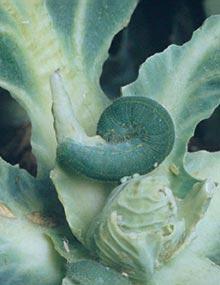
Imported cabbageworm caterpillars (Pieris rapae) are present from early spring to summer. They produce multiple generations per year.
Reviewed
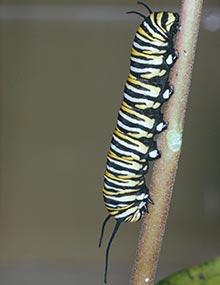
Monarch caterpillars (Danaus plexippus) are present in summer months. They produce multiple generations per year.
Reviewed
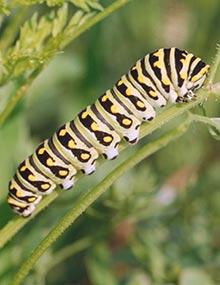
Parsleyworm caterpillars (Papilio polyxenes) are present from May to October. They produce three generations per year.
Reviewed
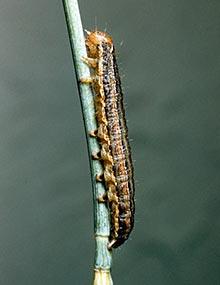
Armyworm caterpillars (Pseudaletia unipunctata) are present from early summer to fall. They produce three generations per year.
Reviewed
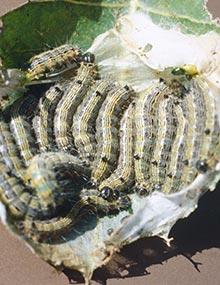
Poplar tentmaker caterpillars (Clostera inclusa) are present from spring to fall. They produce two generations per year.
Reviewed
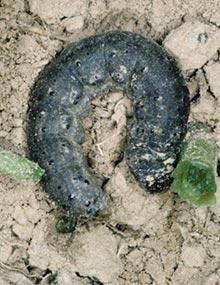
Black cutworm caterpillars (Agrotis ipsilon) are present from late spring to fall. They produce one to three generations per year.
Reviewed
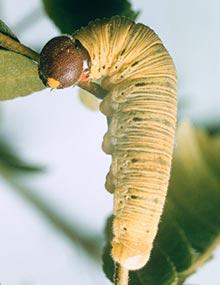
Silverspotted skipper caterpillars (Epargyreus clarus) are present in summer and fall. They produce two to three generations per year.
Reviewed
Feeding hay to cattle is expensive, mostly due to waste. Learn good management practices to minimize the losses that occur due to poor storage methods, improper feeding methods, or both.
Reviewed
Learn how pelvic measurements can help estimate calf birth weight and reduce calving difficulty in beef cattle.
Reviewed
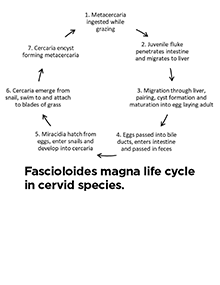
Cattle operations should evaluate their risk for is Fascioloides magna, also known as the deer fluke or the giant liver fluke. Learn about its distribution in Missouri, its life cycle, treatment and more in this guide.

Reviewed
Explore four decision-making techniques to help community groups identify and prioritize projects effectively.
Reviewed
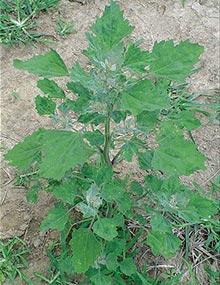
Lambsquarters is rather nondescript and typically grows 2-6 feet tall. Leaves are triangular or kite-shaped, and their surfaces often have a powdery white appearance.
Reviewed
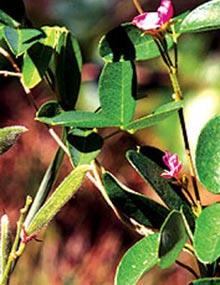
Milkpea is a herbaceous legume with a hairy surface on the top of its trilobed leaf. Stems are also hairy. Seedpods are about 2-1/2 inches long.
Reviewed
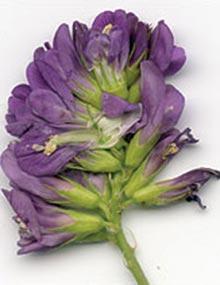
Alfalfa leaves are divided into three leaflets, with the middle leaflet on a distinct stalk. Leaflets are serrated along the outer third to half and are somewhat elongated. Flowers are usually purple, sometimes bluish, rarely white. Fruits are usually curved or twisted.
Reviewed
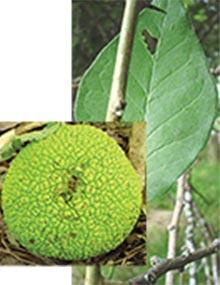
Osage orange grows as a medium-sized tree up to 50 feet tall. It has yellow-green fleshy fruits with a knobby surface that resembles a brain. Its alternate, simple leaves taper to a long, pointed tip.
Reviewed
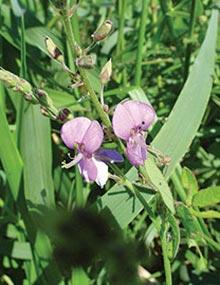
Beggar's lice has triangular seedpods covered with dense hairs that cause them to stick to clothing. During the growing season, it can be recognized by its divided leaf and pink flower.
Reviewed
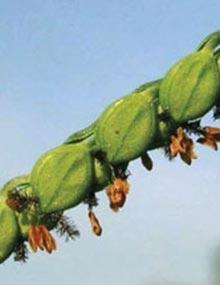
Paspalums seeds are round and flattened and are neatly lined up (but sometimes overlapping slightly) on the seed stalk in two or four rows. Some paspalum species have conspicuous silky hairs at the base of the spikelet.
Reviewed
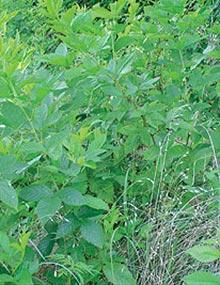
Several briar species grow tall canes that form large thickets of dense, prickly cover. The briars exhibit numerous five-petaled white flowers from April through June.
Reviewed
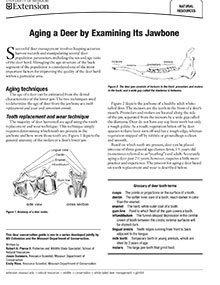
Managing the age structure of bucks is considered very important for improving the quality of the deer herd. Visit our site to learn about aging a deer.
Reviewed
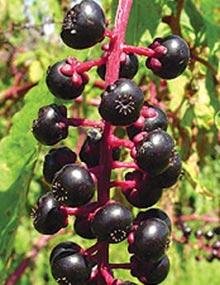
Pokeweed leaves are smooth, oblong and usually 6 to 8 inches in length, though they may grow up to 12 inches. Stems turn bright purple as the plant matures. Clusters of succulent, shiny purple berries, about 1/4 inch in diameter, occur at the tops of the plants.