Image
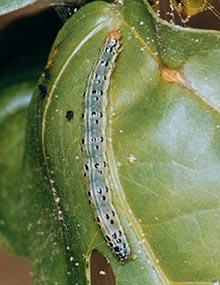
Reviewed
Garden webworm caterpillars (Achyra rantalis) are present from late spring to fall. They produce two to three generations per year.
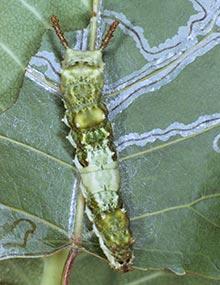
Reviewed
Viceroy caterpillars (Limenitis archippus) are present from early summer to fall. They produce two generations per year.
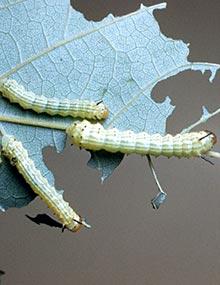
Reviewed
Greenstriped mapleworm caterpillars (Dryocampa rubicunda) are present from late spring to late fall. They produce one to two generations per year.
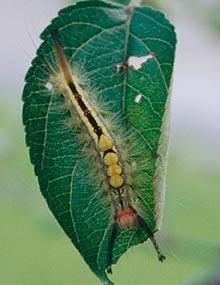
Reviewed
Whitemarked tussock moth caterpillars (Orgyia leucostigma) are present from May to October. They produce two generations per year.
Reviewed
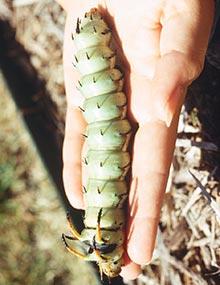
Hickory horned devil caterpillars (Citheronia regalis) are present from July to October. They produce two generations per year.
Reviewed
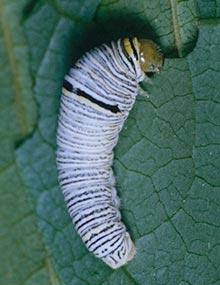
Zebra swallowtail caterpillars (Graphium marcellus) are present from May to November. They produce two to three generations per year.
Reviewed
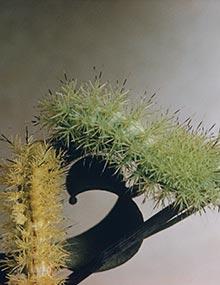
Io moth caterpillars (Automeris io) are present from July to October. They produce two generations per year.
Reviewed
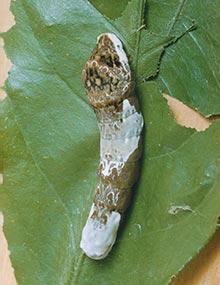
Orangedog caterpillars (Papilio cresphontes) are present from July to October. They produce two generations per year. They are considered a pest to citrus trees.
Reviewed
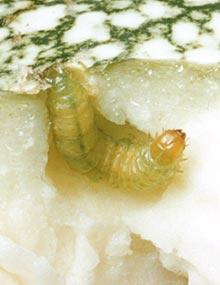
Pickleworm caterpillars (Diaphania nitidalis) are present from summer to fall. They produce two to three generations per year.
Reviewed
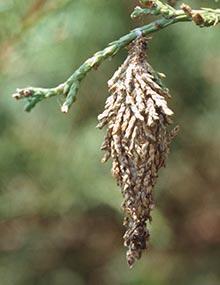
Bagworm caterpillars (Thyridopteryx ephemeraeformis) are present from early June to August. They produce one generation per year.
Reviewed
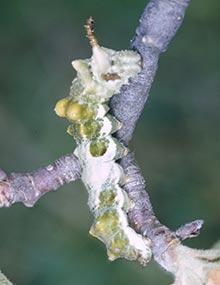
Red-spotted purple caterpillars (Limenitis arthemis) are present from early summer to fall. They produce two generations per year.
Reviewed
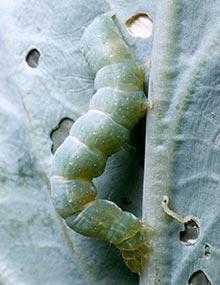
Cabbage looper caterpillars (Trichoplusia ni) are present from late spring to fall. They produce two to three generations per year.
Reviewed
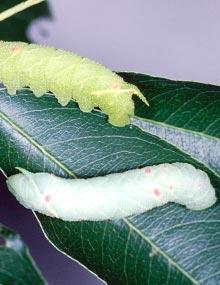
Smalleyed sphinx caterpillars (Paonias myops) are present from May through September. They produce multiple generations per year.
Reviewed
Learn safe and effective ways to manage indoor plant pests using natural, mechanical, and low-toxicity treatments that protect both plants and the environment
Reviewed
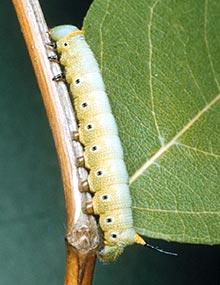
Clearwinged sphinx caterpillars (Hemaris diffinis) are present from April to September. They produce two generations per year.
Reviewed
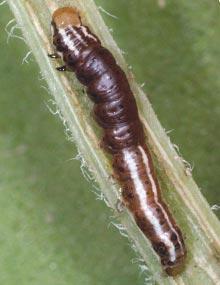
Stalk borer caterpillars (Papaipema nebris) are present from May to August. They produce one generation per year.
Reviewed
Twig Girdler and Twig Pruner are long-horned beetle species that attack numerous types of valuable trees. Visit our website to learn more.
Reviewed
Feeding hay to cattle is expensive, mostly due to waste. Learn good management practices to minimize the losses that occur due to poor storage methods, improper feeding methods, or both.
Reviewed
Learn how pelvic measurements can help estimate calf birth weight and reduce calving difficulty in beef cattle.
Reviewed
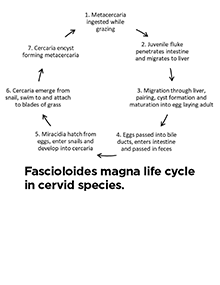
Cattle operations should evaluate their risk for is Fascioloides magna, also known as the deer fluke or the giant liver fluke. Learn about its distribution in Missouri, its life cycle, treatment and more in this guide.

Reviewed
Explore four decision-making techniques to help community groups identify and prioritize projects effectively.
Reviewed
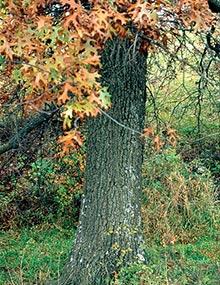
Oaks are long-lived trees that produce a seasonally important food for dozens of wildlife species. Their distinctive leaves and bark are identifying features.
Reviewed
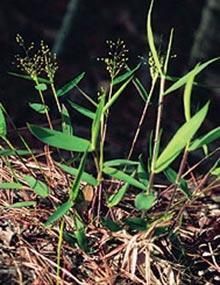
More than three dozen species of panic grass are commonly found across the Midwest. Seeds are football-shaped and borne on a sprawling, panicle-shaped seed head. The leaves of panic grasses resemble flags along the stem.
Reviewed
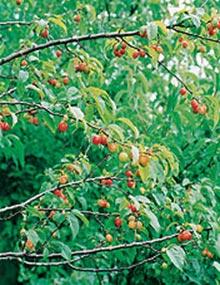
American plum can grow as a small tree up to 20 feet high but more commonly occurs in colonies or thickets by sending up root suckers and shoots.