Image
Reviewed
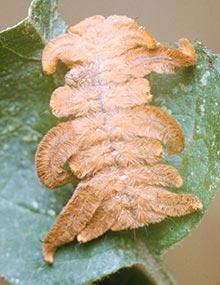
Hag moths caterpillars (Phobetron pithecium) are present in summer and fall. They produce one generation per year.
Reviewed
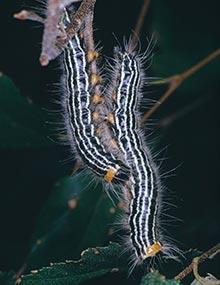
Yellownecked caterpillars (Datana ministra) are present from July to September. They produce one generation per year.
Reviewed
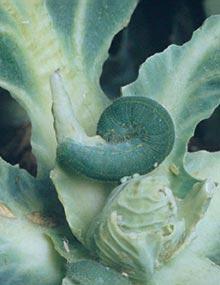
Imported cabbageworm caterpillars (Pieris rapae) are present from early spring to summer. They produce multiple generations per year.
Reviewed
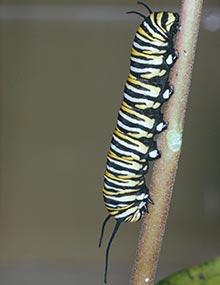
Monarch caterpillars (Danaus plexippus) are present in summer months. They produce multiple generations per year.
Reviewed
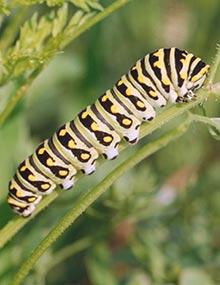
Parsleyworm caterpillars (Papilio polyxenes) are present from May to October. They produce three generations per year.
Reviewed
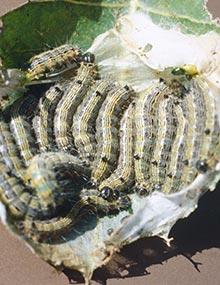
Poplar tentmaker caterpillars (Clostera inclusa) are present from spring to fall. They produce two generations per year.
Reviewed
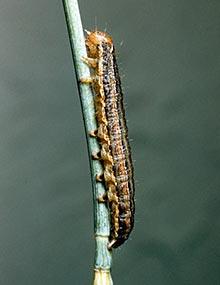
Armyworm caterpillars (Pseudaletia unipunctata) are present from early summer to fall. They produce three generations per year.
Revised
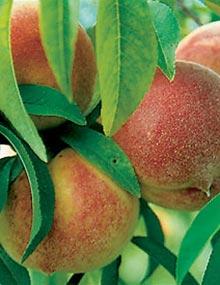
This guide offers practical advice on selecting, planting, and maintaining peach and nectarine trees for optimal fruit production.
Reviewed
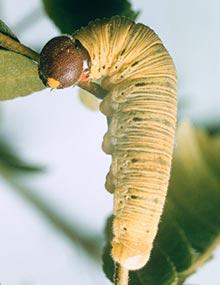
Silverspotted skipper caterpillars (Epargyreus clarus) are present in summer and fall. They produce two to three generations per year.
Reviewed
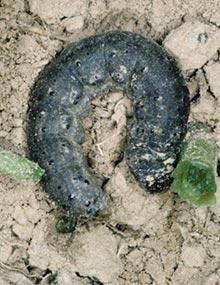
Black cutworm caterpillars (Agrotis ipsilon) are present from late spring to fall. They produce one to three generations per year.
Reviewed
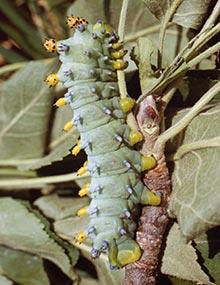
Cecropia moth caterpillars (Hyalophora cecropia) are present from May to August. They produce one generation per year.
Reviewed
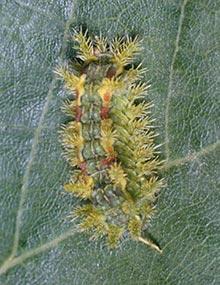
Spiny oak slug caterpillars (Euclea delphinii) are present in summer and fall. They produce one to two generations per year.
Reviewed
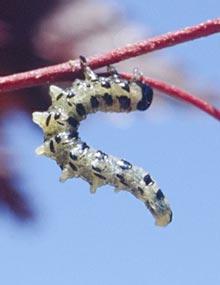
Dusty birch sawfly caterpillars (Croesus latitarsus) are present in summer and fall. They produce two to three generations per year.
Reviewed
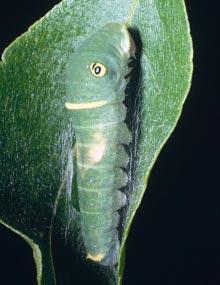
Tiger swallowtail caterpillars (Papilio glaucus) are present from May to October. They produce two to three generations per year. Preferred host plants include hoptree, birch, tulip tree, ash, basswood, cherry, apple, willow and magnolia.
Reviewed
Feeding hay to cattle is expensive, mostly due to waste. Learn good management practices to minimize the losses that occur due to poor storage methods, improper feeding methods, or both.
Reviewed
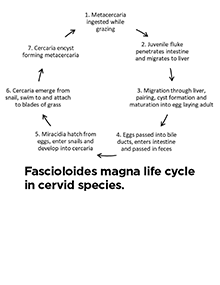
Cattle operations should evaluate their risk for is Fascioloides magna, also known as the deer fluke or the giant liver fluke. Learn about its distribution in Missouri, its life cycle, treatment and more in this guide.
Reviewed
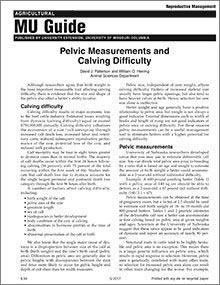
Learn how pelvic measurements can help estimate calf birth weight and reduce calving difficulty in beef cattle.
New
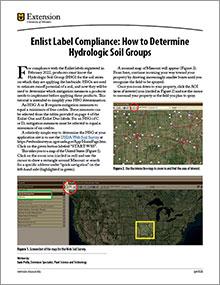
Learn how to use the USDA Web Soil Survey interactive map to determine your field's hydrologic soil group for the soil series on which you plan to apply an Enlist herbicide.

Reviewed
Explore four decision-making techniques to help community groups identify and prioritize projects effectively.
Reviewed
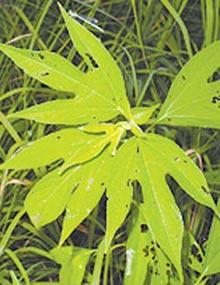
Giant ragweed attains a considerable height, often in excess of 7 feet. Its leaves are three-lobed (sometimes five-lobed), and its stems may be 3/4 inch or more in diameter at the plant base.
Reviewed
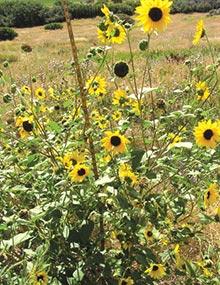
Sunflowers exhibit a variety of characteristics, but most of the commonly encountered species have triangular to lanceolate leaves, rough leaf surfaces and conspicuous yellow flowers.
Reviewed
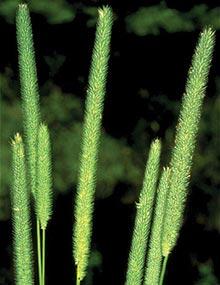
Timothy is a cool-season bunch grass. By late spring it can be readily identified by the blue-green, cylindrical seed head resembling a small cattail. It has an elongated ligule at the base of the leaf, with a notch on each side.

Reviewed
This publication explores the significance of effective communication in professional settings, detailing its processes and various definitions.
Reviewed
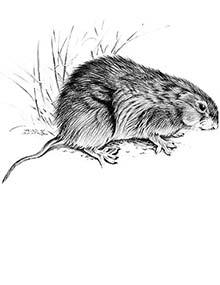
Meadow voles and prairie voles spend most of their lives above ground, living in and feeding on grasses and seeds. They may travel as far as 1/4 mile in search of food and cover. Their typical habitat includes lightly grazed pastures, old fields and grassy areas, lawns and gardens.
Reviewed
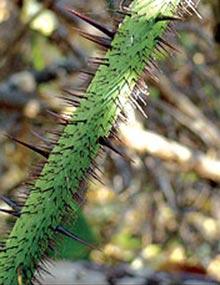
Greenbriers grow as stout vines, climbing with the aid of tendrils that arise in pairs at the base of leaf stalks. The flowers are small and green and grow in clusters of 5 to 26 flowers on long stalks.