Image
Reviewed
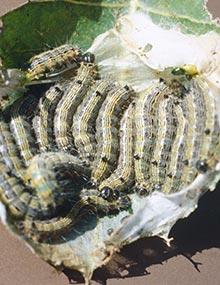
Poplar tentmaker caterpillars (Clostera inclusa) are present from spring to fall. They produce two generations per year.
Reviewed
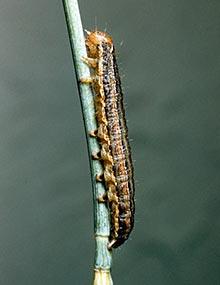
Armyworm caterpillars (Pseudaletia unipunctata) are present from early summer to fall. They produce three generations per year.
Reviewed
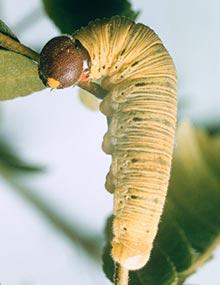
Silverspotted skipper caterpillars (Epargyreus clarus) are present in summer and fall. They produce two to three generations per year.
Reviewed
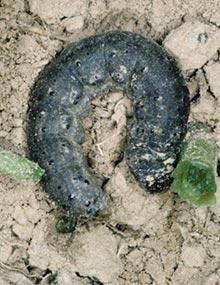
Black cutworm caterpillars (Agrotis ipsilon) are present from late spring to fall. They produce one to three generations per year.
Reviewed
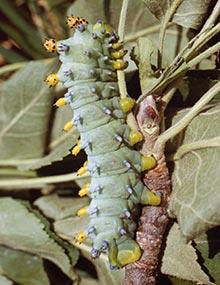
Cecropia moth caterpillars (Hyalophora cecropia) are present from May to August. They produce one generation per year.
Reviewed
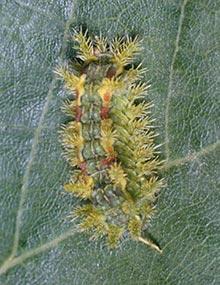
Spiny oak slug caterpillars (Euclea delphinii) are present in summer and fall. They produce one to two generations per year.
Reviewed
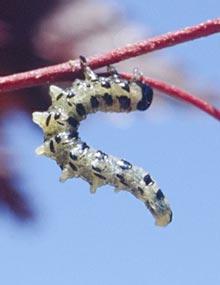
Dusty birch sawfly caterpillars (Croesus latitarsus) are present in summer and fall. They produce two to three generations per year.
Reviewed
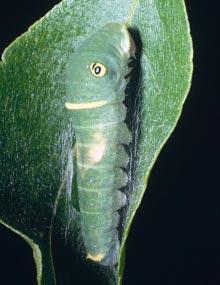
Tiger swallowtail caterpillars (Papilio glaucus) are present from May to October. They produce two to three generations per year. Preferred host plants include hoptree, birch, tulip tree, ash, basswood, cherry, apple, willow and magnolia.
Reviewed
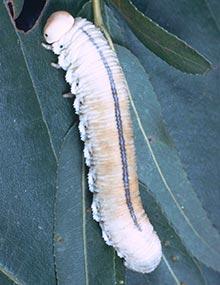
Elm sawfly caterpillars (Cimbex americana) are present from summer to fall. They produce one generation per year.
Reviewed
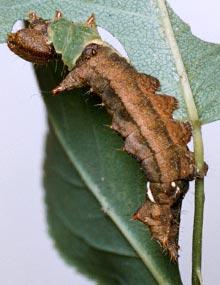
Unicorn caterpillars (Schizura unicornis) are present from summer to fall. They produce one generation per year.
Reviewed
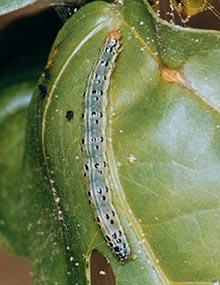
Garden webworm caterpillars (Achyra rantalis) are present from late spring to fall. They produce two to three generations per year.
Reviewed
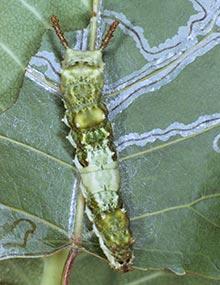
Viceroy caterpillars (Limenitis archippus) are present from early summer to fall. They produce two generations per year.
Reviewed
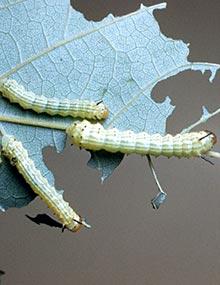
Greenstriped mapleworm caterpillars (Dryocampa rubicunda) are present from late spring to late fall. They produce one to two generations per year.
Reviewed
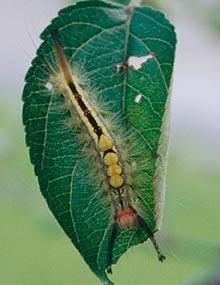
Whitemarked tussock moth caterpillars (Orgyia leucostigma) are present from May to October. They produce two generations per year.
Reviewed
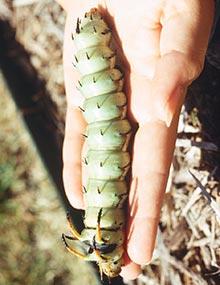
Hickory horned devil caterpillars (Citheronia regalis) are present from July to October. They produce two generations per year.
Reviewed
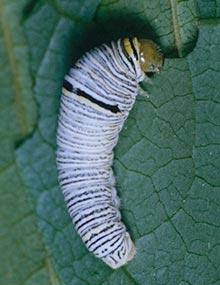
Zebra swallowtail caterpillars (Graphium marcellus) are present from May to November. They produce two to three generations per year.
Reviewed
Feeding hay to cattle is expensive, mostly due to waste. Learn good management practices to minimize the losses that occur due to poor storage methods, improper feeding methods, or both.
Reviewed
Learn how pelvic measurements can help estimate calf birth weight and reduce calving difficulty in beef cattle.
Reviewed
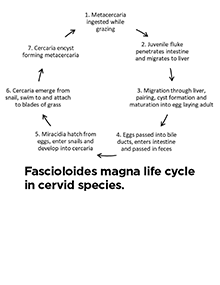
Cattle operations should evaluate their risk for is Fascioloides magna, also known as the deer fluke or the giant liver fluke. Learn about its distribution in Missouri, its life cycle, treatment and more in this guide.
New
Learn how to use the USDA Web Soil Survey interactive map to determine your field's hydrologic soil group for the soil series on which you plan to apply an Enlist herbicide.

Reviewed
Explore four decision-making techniques to help community groups identify and prioritize projects effectively.
Reviewed
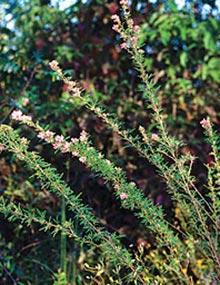
Slender lespedeza leaves are divided into three leaflets 1 to 1-1/2 inches long and less than 1/4 inch wide. Stems are upright, up to 3 feet tall. Flowers are pink to purple and occur in clusters toward the top of the plant.
Reviewed
Establishing a wildlife management cooperative enables landowners to collaboratively enhance white-tailed deer habitats and improve hunting opportunities.
Reviewed
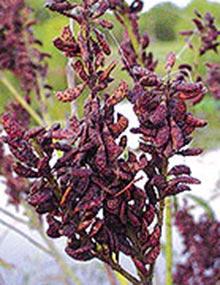
False indigo occurs in moist ground in thickets along streams, rocky banks, pond borders and open wet woods. The leaves are pinnately compound. The dense flower clusters are deep purple to blue and produce numerous fruits that mature in late summer.
Reviewed
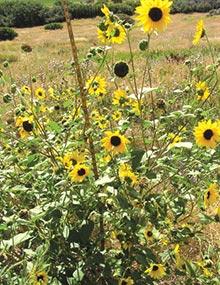
Sunflowers exhibit a variety of characteristics, but most of the commonly encountered species have triangular to lanceolate leaves, rough leaf surfaces and conspicuous yellow flowers.