Published
Be on guard for older soil-borne and look-alike soybean diseases
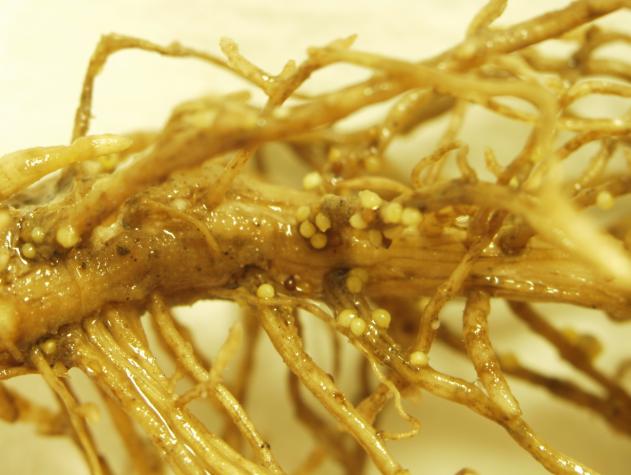
Farmers faced challenges during the 2023 drought as soybean diseases like sudden death syndrome, red crown rot, and charcoal rot exhibited similar symptoms.

Published
MU Extension to hold crop and forage chat in Palmyra
Farmers in northeastern Missouri can get free crop and forage updates from specialists at an August Palmyra event.
Published
Glufosinate-resistant Palmer amaranth found in Missouri Bootheel
Researchers confirmed glufosinate-resistant Palmer amaranth in Missouri, raising concerns for weed control and crop yields.
Published
Plants respond to heat differently than humans
COLUMBIA, Mo. – Extreme heat affects plants differently than humans.With triple-digit temperatures this summer, grain crop growers should understand how heat affects plants, says University of Missouri Extension agronomist Bill Wiebold.First, human concepts such as “heat index” or “feels like” do not apply to plants, Wiebold says. People and plants feel and react differently to heat.
Published
MU Extension guide helps farmers with replant decisions
COLUMBIA, Mo. – Challenging weather has forced Missouri farmers to make difficult decisions on whether to replant crops because of sparse stands or delayed planting.
Published
Rain, heat increase risk of ponding
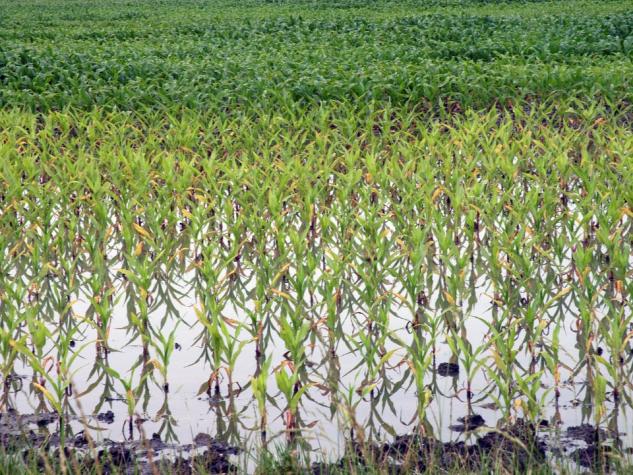
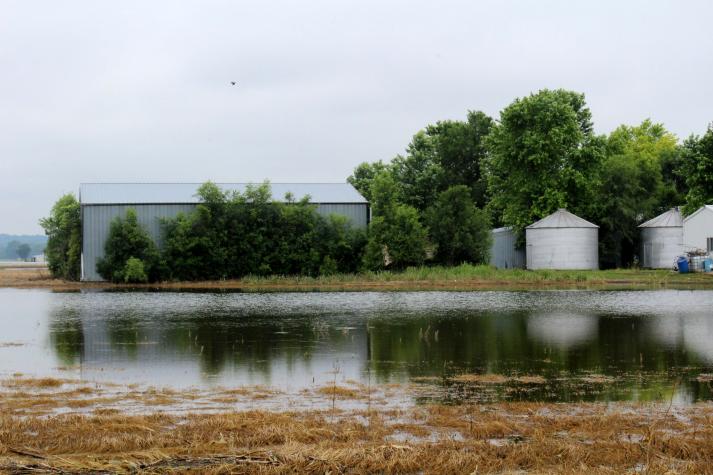
Heavy rain and heat can cause ponding in fields, stressing corn and soybean seedlings and affecting growth and yield.
Published
Test for SCN after soybean harvest
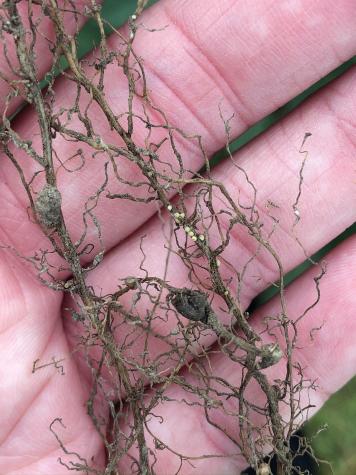
Missouri farmers can submit two free soybean cyst nematode tests after harvest to monitor and manage this costly pest.
Published
Mizzou Weed Science shares Seed Terminator research
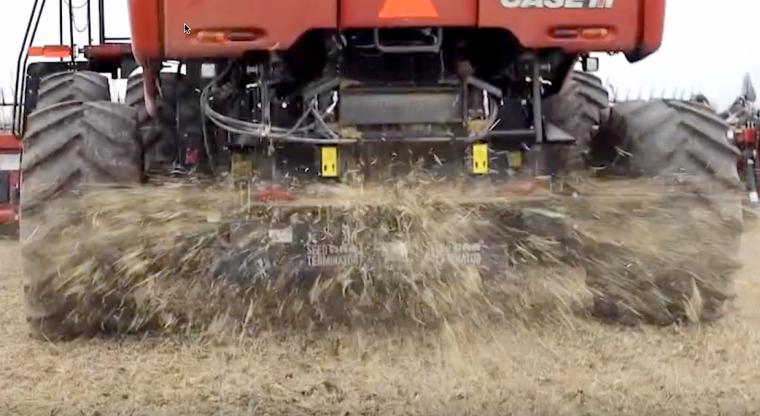
Mizzou Weed Science's research shows the Seed Terminator attachment pulverizes 93.2% of waterhemp seeds entering the combine, aiding in weed control.
Published
Mother Nature's drenchings damage crops
COLUMBIA, Mo. – Mother Nature has not been kind to Missouri agriculture in 2021, says University of Missouri Extension soybean specialist Bill Wiebold.Spring rains delayed corn and soybean planting well beyond the best date for yield, says Wiebold. Then the rain stopped and hot, dry weather slowed growth. Frequent heavy rains added to the misery in Missouri fields.
Published
Spring rains bring root rots to Missouri field crops
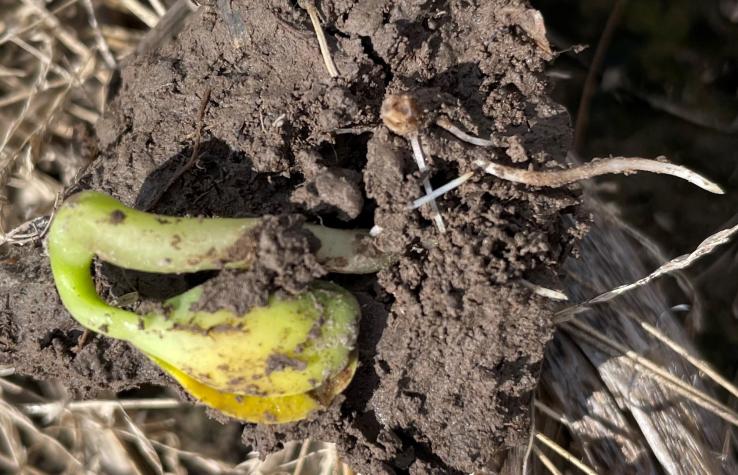
Frequent spring rains set up favorable conditions for seedling and root rotting diseases in corn, soybean and wheat fields across Missouri.
Published
Make the most from late-planted soybean
COLUMBIA, Mo. – Soggy fields, low soil temperatures and 16 cloudy days in May delayed soybean planting in Missouri.Average yield for soybean planted in the third week of June is at least 25% less than soybean planted in early May, and July plantings fare even worse, says University of Missouri Extension soybean specialist Bill Wiebold.
Published
Free SCN tests available to farmers
COLUMBIA, Mo. – Missouri farmers can submit two free tests to beat the soybean cyst nematode (SCN) by contacting their county University of Missouri Extension center or the SCN Diagnostics laboratory.
Published
Should soybean be planted before corn? MU research still favors corn
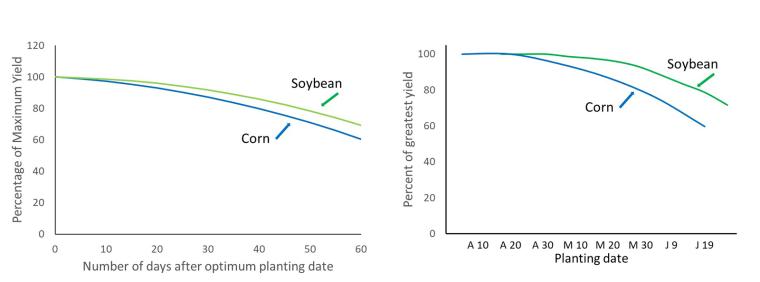
Planting corn before soybean enhances productivity in midwestern rotations. Delaying corn planting can reduce farm efficiency.

Published
Crops face danger of BMSB damage
Brown marmorated stink bugs threaten crops, reducing yields in soybeans, corn, fruits, and vegetables across Missouri.
Published
SDS appearing in Missouri soybean fields
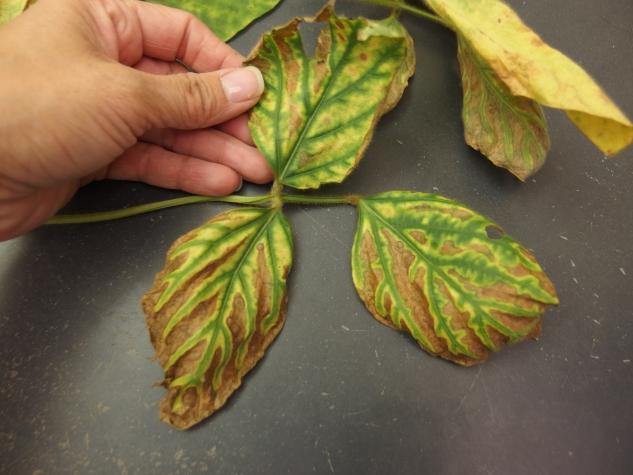
Sudden death syndrome is appearing in Missouri soybean fields. Monitor, scout, and use resistant varieties to reduce yield losses.
Published
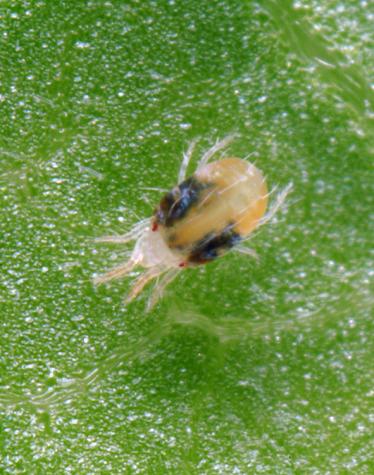
Treat spider mites now
Treat spider mites early to prevent crop damage. Drought conditions can cause rapid population growth. Learn to manage infestations and protect your fields.
Published
Wet, cool wet weather playing havoc with crops
Cold, wet weather and hail are damaging Missouri corn, soybeans, and wheat. Learn causes, risks, and steps to assess crop injury and recovery.
Published
MU Soil and Plant Testing Lab still open and serving Missouri agriculture
COLUMBIA, Mo. – For now, the University of Missouri Soil and Plant Testing Laboratory remains open. “We understand the essential role the lab plays in supporting Missouri's agricultural industry,” said Robert Kallenbach, MU Extension senior program director for agriculture and environment. “If we can continue to operate safely, the MU Soil Testing Laboratory in Columbia will continue to accept samples.”
Published
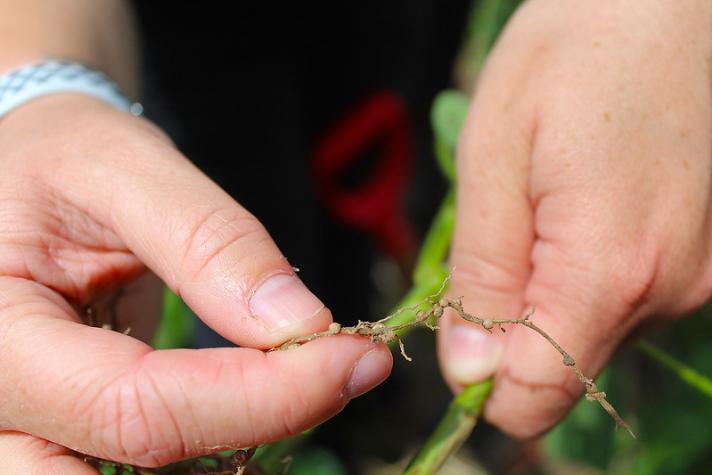
Test fields for SCN and test your SCN IQ
NEVADA, Mo. – Now is the perfect time to test for the No. 1 soybean disease in the U.S. and Canada - soybean cyst nematode (SCN), says University of Missouri Extension field agronomist Pat Miller. It is also a good time to test your IQ on this yield-reducing disease. Soybean cyst nematodes attack soybean roots.SCN began spreading in Missouri in the 1970s and gained a strong foothold in most of the state’s soybean-growing counties by…
Published
Precision ag tools
Discover how precision ag tools like sensors, drones, and GPS improve efficiency, cut costs, and boost yields for smarter farming.
Published
Biotechnology use and adoption of GE crops
Excerpted from the Environmental Impact of Missouri Crop Production report
Published
Tillage practices
Excerpted from the Environmental Impact of Missouri Crop Production report
Published
Fertilizer usage and efficiency
Farmers are improving fertilizer efficiency, producing more crops per unit. Adoption of better nutrient management practices is increasing.
Published
Chemical and pesticide use
Excerpted from the Environmental Impact of Missouri Crop Production report
Published
U.S.–China trade war results in 25% decline in total U.S. soybean exports
The U.S.–China trade war has led to a 25% drop in U.S. soybean exports, disrupting global trade and impacting farmers and markets worldwide.