-
Image
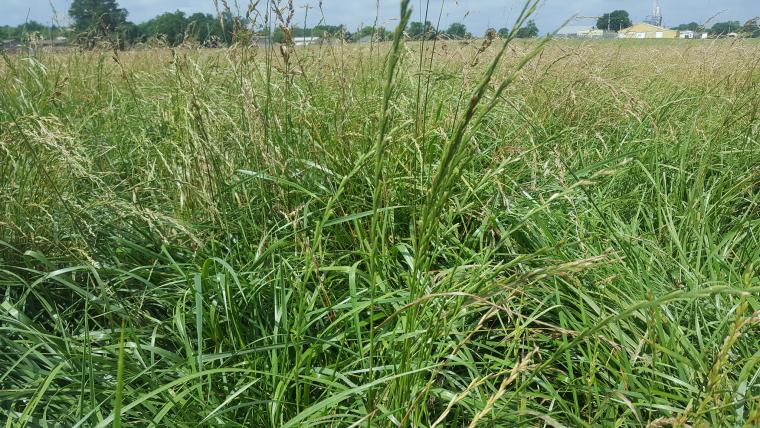 Fescue pasture. Flickr photo by uacescomm (Dirk Philipp, University of Arkansas Division of Agriculture). Shared under a Creative Commons (BY-NC-SA) license (noncommercial use only).
MOUNT VERNON, Mo. – A well-stocked hay inventory is one of the best forms of insurance a livestock producer can have, says Caleb O’Neal, University of Missouri Extension field specialist in plant science.
By renting additional acres dedicated to stockpiling forage, producers can improve their chances of maintaining a dependable supply of high-quality feed at a predictable cost throughout the year, O’Neal says.
Using rental acreage stockpiling can help ease rotational pressure on the home farm, provide protection during drought years and offer added flexibility during calving season. In many cases, renting pasture is a highly economical alternative to baling more hay or purchasing additional bales, he says.
“The high cost of buying hay — even marginal-quality hay — can take a real toll on profitability,” O’Neal says. “Making hay comes with its own expenses, including equipment, fuel, fertilizer, labor, repairs, depreciation and lost opportunity. Those costs add up quickly, and most operations underestimate them. Buying hay doesn’t avoid those costs; it simply means paying someone else to absorb them, with a margin added on top.”
Hay will always play a role in cattle operations, O’Neal says, but it does not have to serve as the foundation of a winter-feeding program.
For many producers across Missouri, shifting toward grazing stockpiled fescue or cool-season annual cover crops can be a practical way to reduce feed costs, maintain or improve livestock condition during the most challenging months and make better use of available land. Having stockpile acreage available for grazing, supplemented by stored hay when necessary, can significantly reduce winter feeding costs and support strong herd health.
“Reducing feed costs is one of the most reliable ways to improve profitability in a livestock operation, and grazing stockpiled fescue remains one of the most cost-effective tools available,” O’Neal says.
Tall fescue is Missouri’s primary forage species, and much of the pasture ground available for rent is already established in tall fescue, he says. When livestock are removed from pastures in late summer, fescue can continue growing into the fall, producing dense, leafy regrowth that retains quality exceptionally well.
University of Missouri research shows that stockpiled tall fescue consistently tests above 12% crude protein, with total digestible nutrients around 60% throughout the winter months. After frost, fescue maintains a high sugar content and remains green even though little growth occurs after mid-November.
“Simply put, it’s hard for the contents of a hay bale to compete with a living plant when it comes to forage quality,” O’Neal says.
A basic stockpiling program can provide months of dependable forage without starting a tractor. Infrastructure needs are minimal and typically include a reel or two of polywire, temporary step-in posts and a solar-powered electric fence charger. Strip grazing the stockpile, with frequent moves based on forage availability and livestock requirements, improves utilization and minimizes waste.
O’Neal offers a hypothetical scenario to illustrate the economics: Depending on management and growing conditions, a well-managed fescue pasture can provide 1,500 to 2,500 pounds of dry matter per acre in fall stockpile growth. Using a midpoint estimate of one ton of dry matter per acre and the latest MU Extension survey data showing average pasture rental rates in southern Missouri at about $45 per acre, the resulting cost is approximately $45 per ton of dry matter for fescue stockpile grown on rented ground.
By comparison, the latest USDA Missouri hay report shows average prices for fair- to good-quality hay in large round bales ranging from $75 to $125 per ton, with premium hay priced above $150 per ton.
“This example highlights how compelling it can be to rent a few additional acres for dedicated stockpiled grazing to complement hay feeding during the winter,” O’Neal says. “In reality, rented land often provides multiple benefits beyond stockpiling alone.”
When considering rental acreage, O’Neal offers these tips:
- Look for ground close to your existing operation.
- Choose pastures with strong fescue stands, adequate soil fertility and a reliable water source.
- Visit the property in late summer or early fall to best assess stand density and overall pasture condition.
For more information, contact your local MU Extension agronomy or livestock specialist.