Signs to watch for and how to build self-regulation.
-
Image
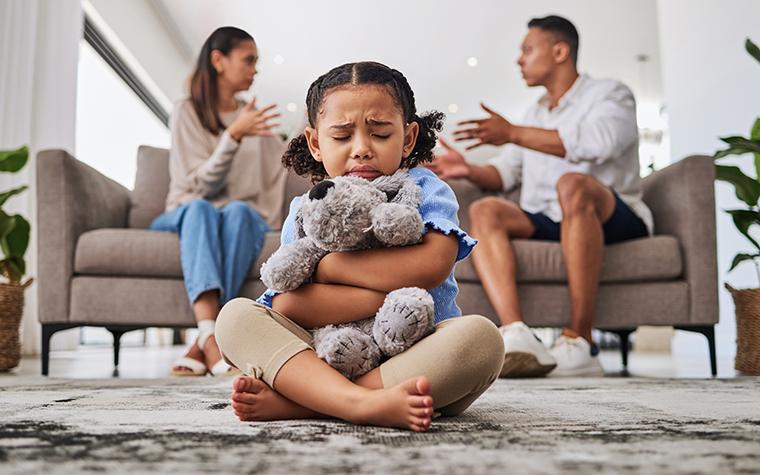 Adobe stock photo.
Writer: Chloe Lukasik
COLUMBIA, Mo. – Children don’t always have the words to explain when they are feeling stressed, but their behavior often reflects it.
MU researchers have learned that when stress creates more tension or conflict at home, children are more likely to show signs like anxiety, pulling away or acting out. But they also found one skill that reliably helps protect kids from these challenges: self‑regulation.
Recognizing signs of stress in children
Stress can look different from child to child. Some may become quiet and withdrawn, while others show more outward reactions.
Common signs:
- Frequent irritability or emotional outbursts.
- Difficulty focusing or following directions.
- Withdrawal from family or peers.
- Increased worry or nervousness.
- Aggressive or defiant behavior.
These responses can signal that a child is having difficulty managing stress.
Why self-regulation matters
Self-regulation is the ability to manage emotions, control impulses, and respond appropriately in challenging situations.
Children with stronger self-regulation skills are better equipped to handle stress and are less likely to experience ongoing emotional or behavioral difficulties, even in more challenging family environments.
How caregivers can help
Caregivers play an important role in building self-regulation skills early in life. Simple, consistent strategies can make a meaningful difference:
- Model calm behavior during stressful moments.
- Help children name their feelings to build awareness.
- Create predictable routines that provide stability.
- Teach simple coping strategies, such as deep breathing or taking a break.
- Maintain supportive, responsive relationships.
Supporting better outcomes for children
Early support for self-regulation can have lasting impacts on children’s well-being. By recognizing signs of stress and responding with supportive strategies, families can help children build the skills they need to navigate challenges both now and in the future.
The full study, “Parenting Stress, Family Conflict, and Children’s Behavior Problems: The Protective Role of Self-Regulation,” by Rahmet Akpolat, Francisco Palermo and Sarah E. Killoren, was published in 2025 in the journal Developmental Psychology. (doi.org/10.1037/dev0002088)
If you are interested in participating in research like this, you can join the Family & Relationships Research Network research participant database.
To learn more about this research, read the full study or explore recent findings from the Family & Relationship Research Network.
This work is supported by the Family and Relationships Research Network, which connects families with research opportunities and community resources.