Image
Reviewed
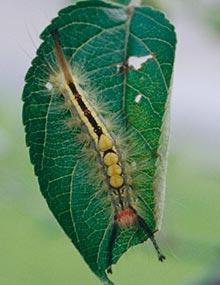
Whitemarked tussock moth caterpillars (Orgyia leucostigma) are present from May to October. They produce two generations per year.
Reviewed
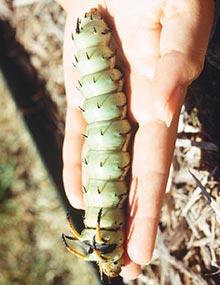
Hickory horned devil caterpillars (Citheronia regalis) are present from July to October. They produce two generations per year.
Reviewed
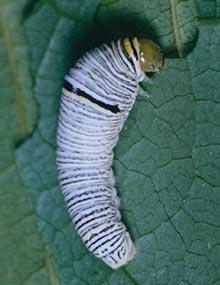
Zebra swallowtail caterpillars (Graphium marcellus) are present from May to November. They produce two to three generations per year.
Reviewed
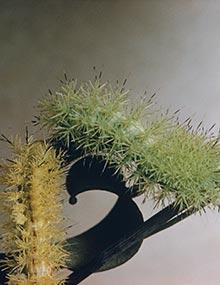
Io moth caterpillars (Automeris io) are present from July to October. They produce two generations per year.
Reviewed
Caterpillars are some of the most easily observed insects in backyards and gardens. Learn to identify them so you will know what type of butterflies or moths they will turn into.
Reviewed
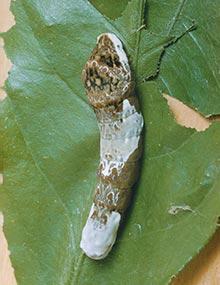
Orangedog caterpillars (Papilio cresphontes) are present from July to October. They produce two generations per year. They are considered a pest to citrus trees.
Reviewed
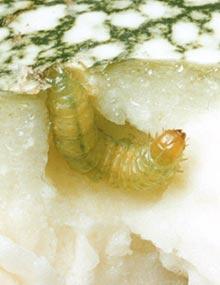
Pickleworm caterpillars (Diaphania nitidalis) are present from summer to fall. They produce two to three generations per year.
Reviewed
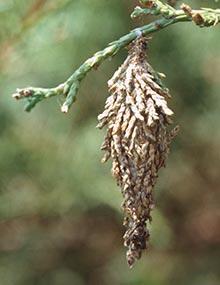
Bagworm caterpillars (Thyridopteryx ephemeraeformis) are present from early June to August. They produce one generation per year.
Reviewed
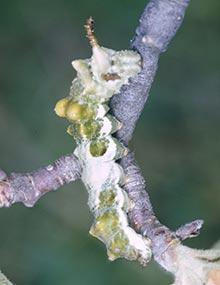
Red-spotted purple caterpillars (Limenitis arthemis) are present from early summer to fall. They produce two generations per year.
Reviewed
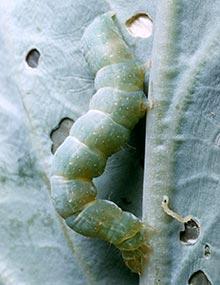
Cabbage looper caterpillars (Trichoplusia ni) are present from late spring to fall. They produce two to three generations per year.
Reviewed
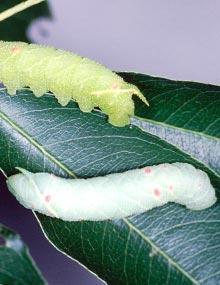
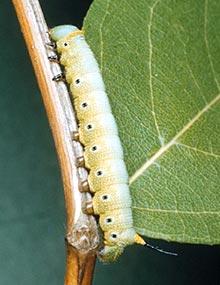
Smalleyed sphinx caterpillars (Paonias myops) are present from May through September. They produce multiple generations per year.
Reviewed
Clearwinged sphinx caterpillars (Hemaris diffinis) are present from April to September. They produce two generations per year.
Reviewed
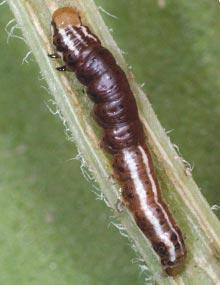
Stalk borer caterpillars (Papaipema nebris) are present from May to August. They produce one generation per year.
Reviewed
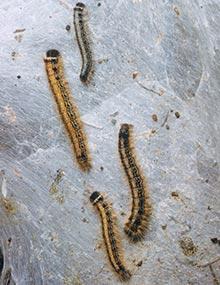
Eastern tent caterpillars (Malacosoma americanum) are present from early spring to June. They produce one generation per year.
Reviewed
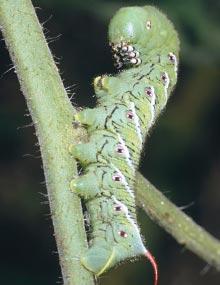
Learn to identify and manage tobacco and tomato hornworms in your garden with tips on appearance, feeding habits, and control methods.
Reviewed
Learn how pelvic measurements can help estimate calf birth weight and reduce calving difficulty in beef cattle.
Reviewed
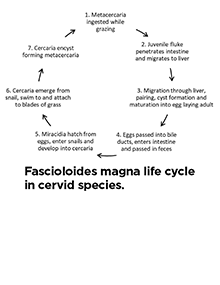
Cattle operations should evaluate their risk for is Fascioloides magna, also known as the deer fluke or the giant liver fluke. Learn about its distribution in Missouri, its life cycle, treatment and more in this guide.

Reviewed
Explore four decision-making techniques to help community groups identify and prioritize projects effectively.
Reviewed
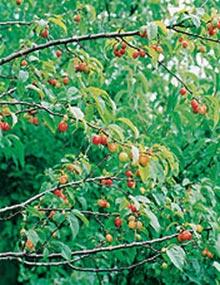
American plum can grow as a small tree up to 20 feet high but more commonly occurs in colonies or thickets by sending up root suckers and shoots.
Reviewed
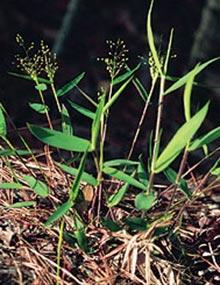
More than three dozen species of panic grass are commonly found across the Midwest. Seeds are football-shaped and borne on a sprawling, panicle-shaped seed head. The leaves of panic grasses resemble flags along the stem.
Reviewed
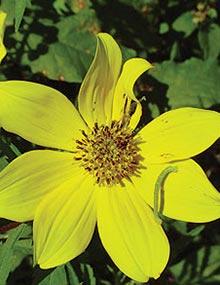
Bidens is most often found in moist areas. It has yellow flowers that are 1 to 1.5 inches.
Reviewed
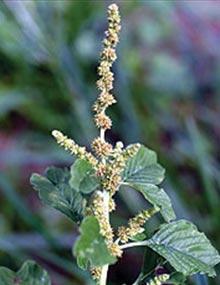
Pigweed leaves are alternate and simple. Small green or tan flowers produce small, round, shiny black seeds. The roots are red when pulled. Depending on the species, pigweed may grow 1 to 8 feet tall.
Reviewed
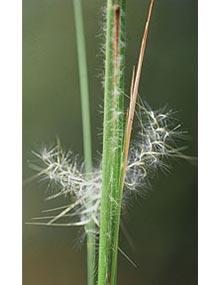
Broomsedge is a native warm-season grass that is often confused with little bluestem, but broomsedge stems are the more flattened and more densely leafed. Also, broomsedge in the fall/winter is typically yellowish tan, while little bluestem has a bronzy color.
Reviewed
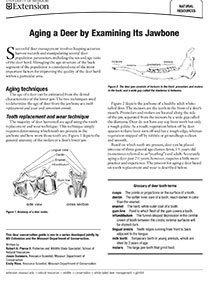
Managing the age structure of bucks is considered very important for improving the quality of the deer herd. Visit our site to learn about aging a deer.