Image
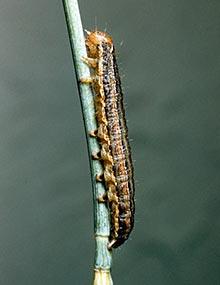
Reviewed
Armyworm caterpillars (Pseudaletia unipunctata) are present from early summer to fall. They produce three generations per year.
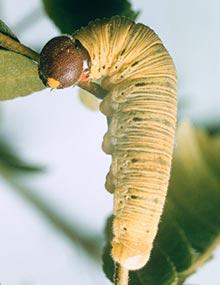
Reviewed
Silverspotted skipper caterpillars (Epargyreus clarus) are present in summer and fall. They produce two to three generations per year.
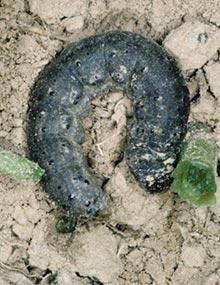
Reviewed
Black cutworm caterpillars (Agrotis ipsilon) are present from late spring to fall. They produce one to three generations per year.
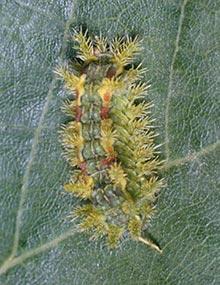
Reviewed
Spiny oak slug caterpillars (Euclea delphinii) are present in summer and fall. They produce one to two generations per year.
Reviewed
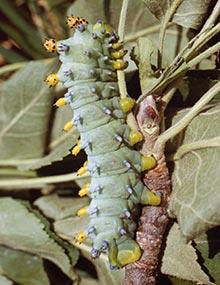
Cecropia moth caterpillars (Hyalophora cecropia) are present from May to August. They produce one generation per year.
Reviewed
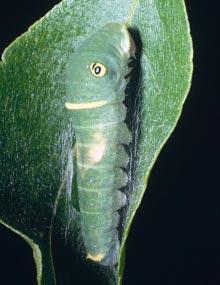
Tiger swallowtail caterpillars (Papilio glaucus) are present from May to October. They produce two to three generations per year. Preferred host plants include hoptree, birch, tulip tree, ash, basswood, cherry, apple, willow and magnolia.
Reviewed
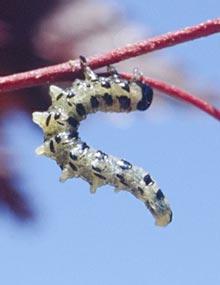
Dusty birch sawfly caterpillars (Croesus latitarsus) are present in summer and fall. They produce two to three generations per year.
Reviewed
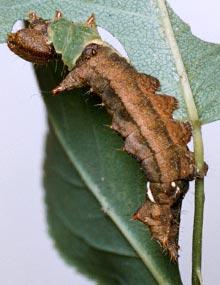
Unicorn caterpillars (Schizura unicornis) are present from summer to fall. They produce one generation per year.
Reviewed
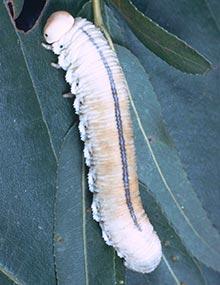
Elm sawfly caterpillars (Cimbex americana) are present from summer to fall. They produce one generation per year.
Reviewed
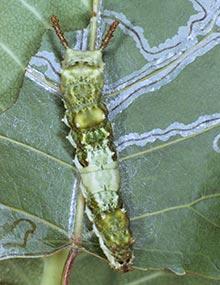
Viceroy caterpillars (Limenitis archippus) are present from early summer to fall. They produce two generations per year.
Reviewed
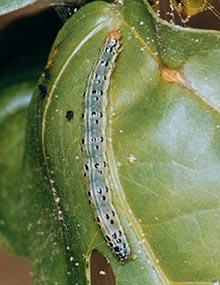
Garden webworm caterpillars (Achyra rantalis) are present from late spring to fall. They produce two to three generations per year.
Reviewed
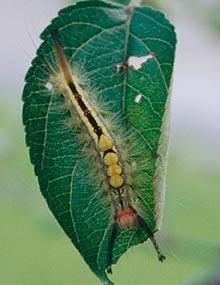
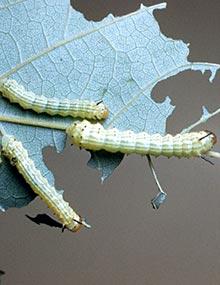
Whitemarked tussock moth caterpillars (Orgyia leucostigma) are present from May to October. They produce two generations per year.
Reviewed
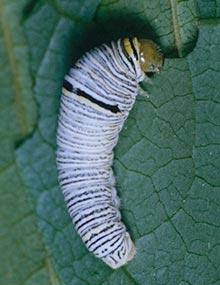
Greenstriped mapleworm caterpillars (Dryocampa rubicunda) are present from late spring to late fall. They produce one to two generations per year.
Reviewed
Zebra swallowtail caterpillars (Graphium marcellus) are present from May to November. They produce two to three generations per year.
Reviewed
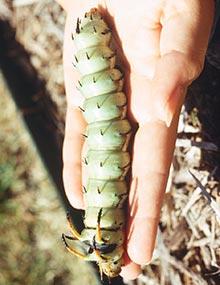
Hickory horned devil caterpillars (Citheronia regalis) are present from July to October. They produce two generations per year.
Reviewed
Caterpillars are some of the most easily observed insects in backyards and gardens. Learn to identify them so you will know what type of butterflies or moths they will turn into.
Reviewed
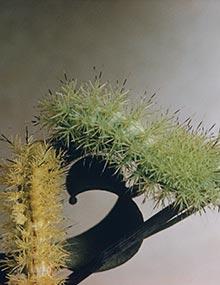
Io moth caterpillars (Automeris io) are present from July to October. They produce two generations per year.
Reviewed
Learn how pelvic measurements can help estimate calf birth weight and reduce calving difficulty in beef cattle.
Reviewed
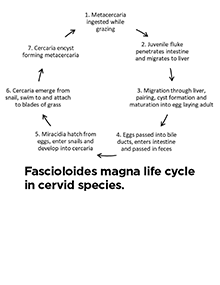
Cattle operations should evaluate their risk for is Fascioloides magna, also known as the deer fluke or the giant liver fluke. Learn about its distribution in Missouri, its life cycle, treatment and more in this guide.

Reviewed
Explore four decision-making techniques to help community groups identify and prioritize projects effectively.
Reviewed
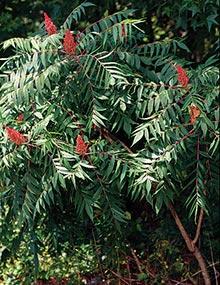
Winged, smooth and staghorn sumac have single stems and a broad reaching canopy of pinnately compound leaves. Fragrant sumac has three leaves resembling poison ivy but with more serrated margins. The leaves of all species often turn a brilliant red in autumn.
Reviewed
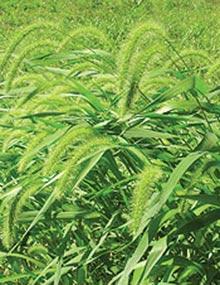
Most of the foxtails found in the Midwest are native to Europe and Asia. They are annual plants generally considered to be weeds. The seed head has the bushy form of a fox's tail. Height at maturity varies by species, but is generally 1-3 feet.
Reviewed
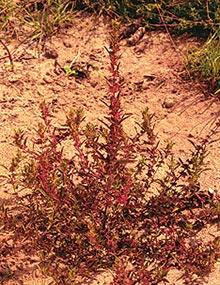
Three-seeded mercury is characterized by longitudinally folded, lobed, leaflike bracts that persist throughout the growing season. The seeds are small, egg-shaped and dark brown to light gray or tan.
Reviewed
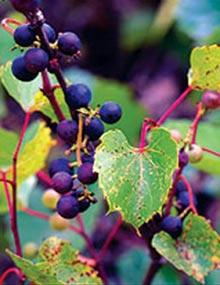
Wild grapes are vines capable of climbing to 75 feet or more by means of tendrils. Leaves are alternate, simple and heart-shaped (Vitis) to triangular (Ampelopsis). Flowers bloom from mid to late spring, and globe-shaped fruits are borne in drooping clusters from late summer through fall.
Reviewed
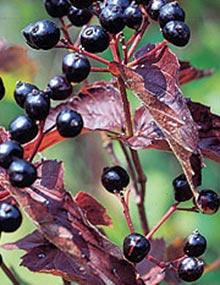
Viburnum grows as shrubs or small trees with branching crowns. Flowers are borne in dense, flat-topped panicles that produce many red to bluish black, berrylike fruits in fall. The leaves are opposite and turn brilliant shades of deep rose-purple to rose-red or bright red in fall.