Image
Reviewed
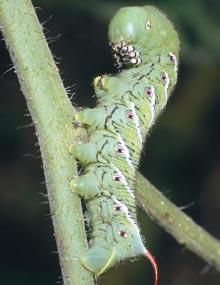
Learn to identify and manage tobacco and tomato hornworms in your garden with tips on appearance, feeding habits, and control methods.
Reviewed
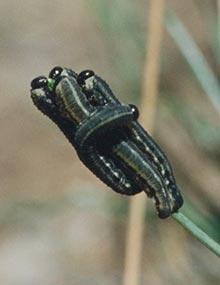
European pine sawfly caterpillars (Neodiprion sertifer) are present in spring and summer. They produce one generation per year.
Reviewed
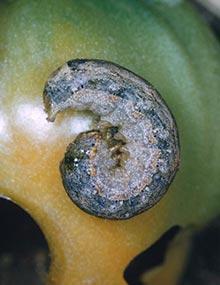
Variegated cutworm caterpillars (Peridroma saucia) are present from late spring to early summer. They produce two to four generations per year.
Reviewed
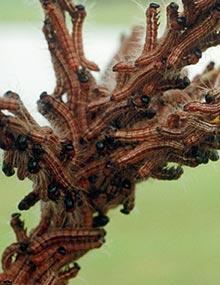
Red phase and black phase walnut caterpillars (Datana integerrima) are present from early May to September. They produce one to two generations per year.
Reviewed
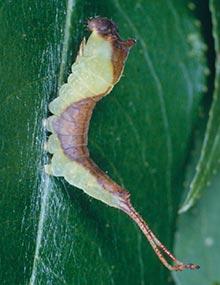
Gray furcula caterpillars (Furcula cinerea) are present from spring to fall. They produce two generations per year.
Reviewed
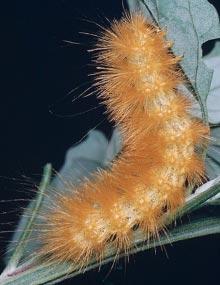
Yellow woollybear caterpillars (Spilosoma virginica) are present from spring to fall. They produce two to three generations per year.
Reviewed
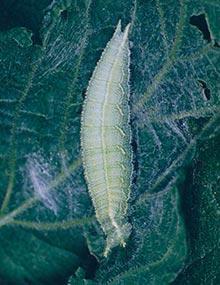
Hackberry emperor caterpillars (Asterocampa celtis) are present from early summer to fall. They produce two generations per year.
Reviewed
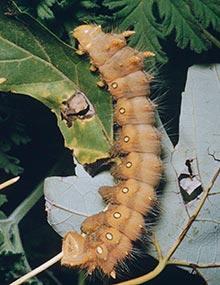
Imperial moth caterpillars (Eacles imperialis) are present from June to August. They produce two generations per year. Common host plants include oaks, sweetgum, maple, hickory, sassafras, elm and sycamore.
Revised
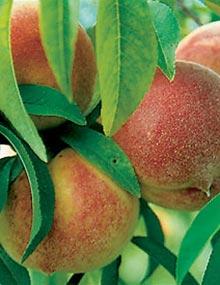
This guide offers practical advice on selecting, planting, and maintaining peach and nectarine trees for optimal fruit production.
Reviewed
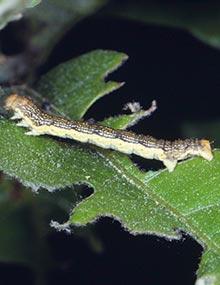
Linden looper caterpillars (Erannis tiliaria) are present from late spring to summer. They produce one generation per year.
Reviewed
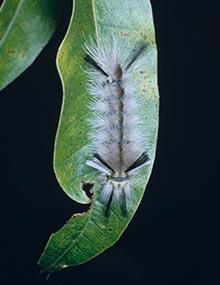
Pale tussock moth caterpillars (Halysidota tessellaris) are present from early summer to fall. They produce two generations per year.
Reviewed
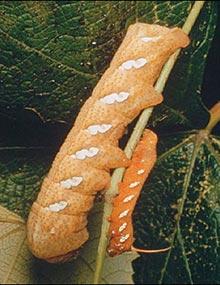
Achemon sphinx caterpillars (Eumorpha achemon) are present from early summer to fall. They produce one to two generations per year.
Reviewed
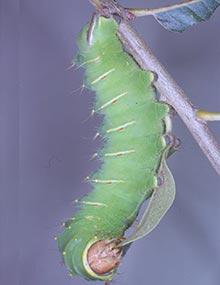
Polyphemus moth caterpillars (Antheraea polyphemus) are present from May to October. They produce multiple generations per year.
Reviewed
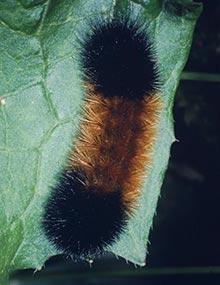
Banded woollybear caterpillars (Pyrrharctia isabella) are present in the spring and from late summer to late fall. They produce one to two generations per year.
Reviewed
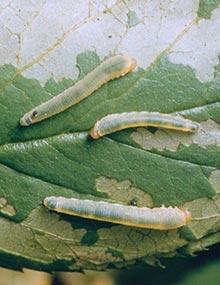
Roseslug caterpillars (Endelomyia aethiops) are present in summer. They produce one generation per year.
Reviewed
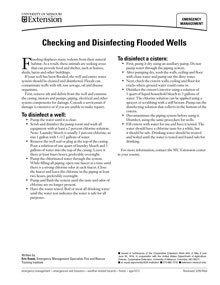
Learn how to clean and disinfect flooded wells and cisterns to ensure safe drinking water, including inspection, chlorination, and testing steps.
Reviewed
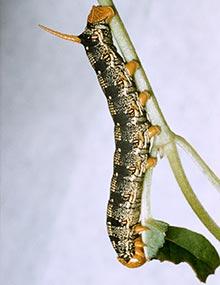
Catalpa sphinx caterpillars (Ceratomia catalpae) are present from early summer to early fall. They produce multiple generations per year.
Reviewed
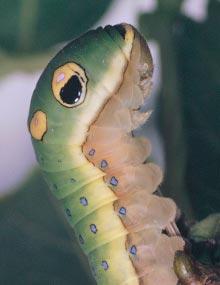
Spicebush swallowtail caterpillars (Papilio troilus) are present from May to October. They produce two to three generations per year.
Reviewed
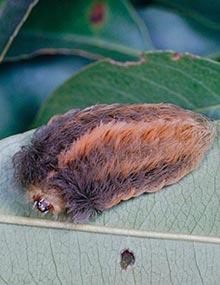
Crinkled flannel moths caterpillars (Lagoa crispata) are present in summer and fall. They produce two generations per year.
Reviewed
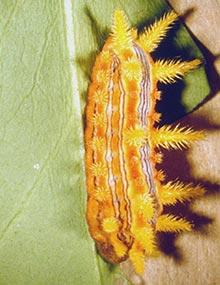
Stinging rose caterpillars (Parasa indetermina) are present in summer and fall. They produce one to two generations per year.
Reviewed
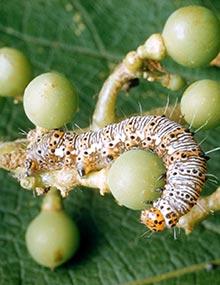
Eight-spotted forester caterpillars (Alypia octomaculata) are present from spring to early fall. They produce one to two generations per year.
Reviewed
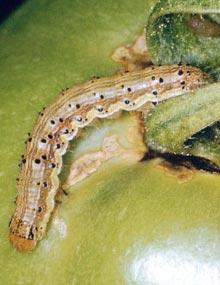
Tomato fruitworm, corn earworm caterpillars (Helicoverpa zea) are present in mid-June. They produce two generations per year.
Reviewed
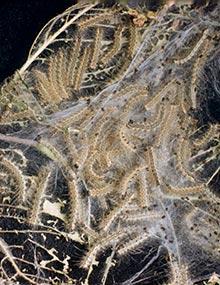
Fall webworm caterpillars (Hyphantria cunea) are present from spring to fall. They produce two to three generations per year.
Reviewed
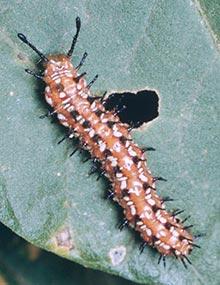
Variegated fritillary caterpillars (Euptoieta claudia) are present from June to October. They produce multiple generations per year.
Reviewed
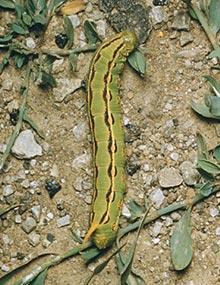
Whitelined sphinx caterpillars (Hyles lineata) are present from spring to early fall. They produce one to two generations per year.