Image

Reviewed
Crab spiders (Thomisidae) are nonpoisonous ambush predators that capture prey by waiting motionless on flowers.
Reviewed
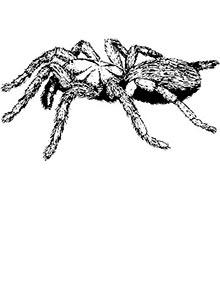
The publication provides detailed information about various spider species found in Missouri, including their biology, habits, and potential risks to humans.
Revised
Discover the diverse bat species in Missouri, their ecological benefits, and guidance on safely managing bat encounters in homes.
Reviewed
Eliminate the guesswork of providing nutrients for plant growth and avoid potentially environmentally harmful fertilizer applications by having your home lawn and garden soil tested. Learn the methods used by the MU Soil and Plant Testing in this guide.
Reviewed
Reviewed
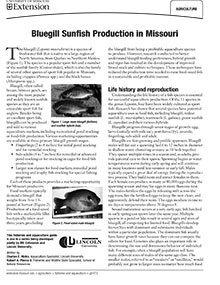
Learn about bluegill sunfish aquaculture in Missouri, including species info, spawning, pond prep, and water quality management.
Reviewed
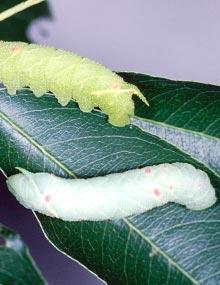
Smalleyed sphinx caterpillars (Paonias myops) are present from May through September. They produce multiple generations per year.
Reviewed
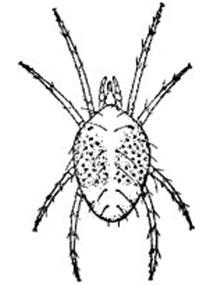
Learn safe and effective ways to manage indoor plant pests using natural, mechanical, and low-toxicity treatments that protect both plants and the environment
Reviewed
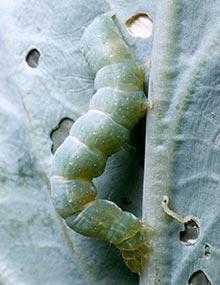
Cabbage looper caterpillars (Trichoplusia ni) are present from late spring to fall. They produce two to three generations per year.
Reviewed
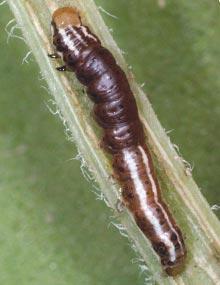
Stalk borer caterpillars (Papaipema nebris) are present from May to August. They produce one generation per year.
Reviewed
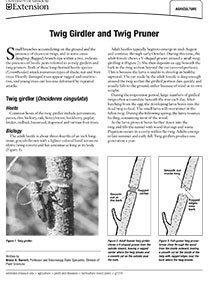
Twig Girdler and Twig Pruner are long-horned beetle species that attack numerous types of valuable trees. Visit our website to learn more.
Reviewed
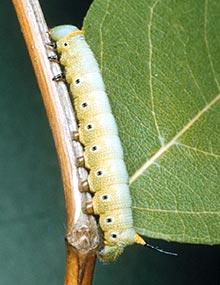
Clearwinged sphinx caterpillars (Hemaris diffinis) are present from April to September. They produce two generations per year.
Reviewed
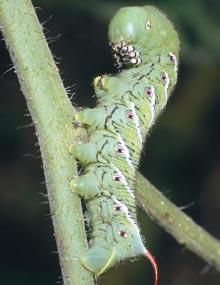
Learn to identify and manage tobacco and tomato hornworms in your garden with tips on appearance, feeding habits, and control methods.
Reviewed
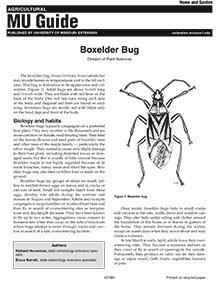
Boxelder bugs are black and red insects that may enter homes in fall. They don't cause damage but can be a nuisance. Control includes sealing entry points and removing host trees.
Reviewed
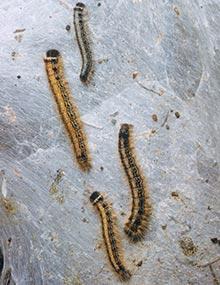
Eastern tent caterpillars (Malacosoma americanum) are present from early spring to June. They produce one generation per year.
Reviewed
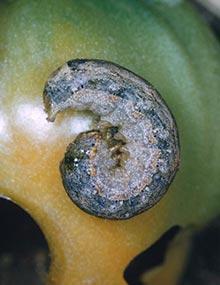
Variegated cutworm caterpillars (Peridroma saucia) are present from late spring to early summer. They produce two to four generations per year.
Reviewed
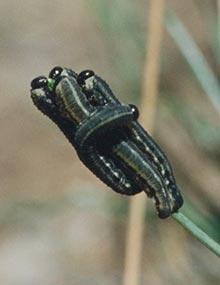
European pine sawfly caterpillars (Neodiprion sertifer) are present in spring and summer. They produce one generation per year.
Reviewed
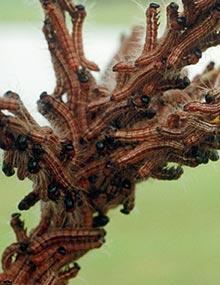
Red phase and black phase walnut caterpillars (Datana integerrima) are present from early May to September. They produce one to two generations per year.
Reviewed
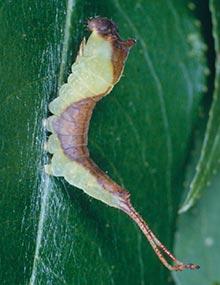
Gray furcula caterpillars (Furcula cinerea) are present from spring to fall. They produce two generations per year.
Reviewed
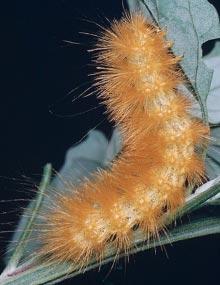
Yellow woollybear caterpillars (Spilosoma virginica) are present from spring to fall. They produce two to three generations per year.
Reviewed
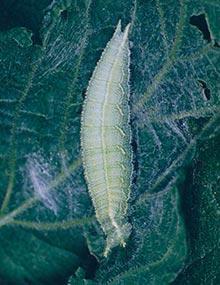
Hackberry emperor caterpillars (Asterocampa celtis) are present from early summer to fall. They produce two generations per year.
Reviewed
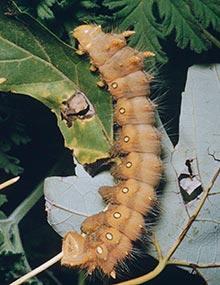
Imperial moth caterpillars (Eacles imperialis) are present from June to August. They produce two generations per year. Common host plants include oaks, sweetgum, maple, hickory, sassafras, elm and sycamore.
Reviewed
Caterpillars are some of the most easily observed insects in backyards and gardens. Learn to identify them so you will know what type of butterflies or moths they will turn into.
Reviewed
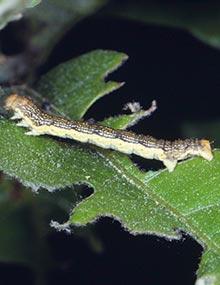
Linden looper caterpillars (Erannis tiliaria) are present from late spring to summer. They produce one generation per year.
Reviewed
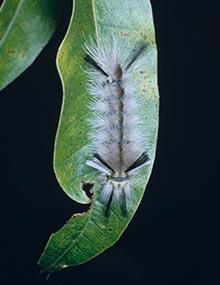
Pale tussock moth caterpillars (Halysidota tessellaris) are present from early summer to fall. They produce two generations per year.