Image
Reviewed
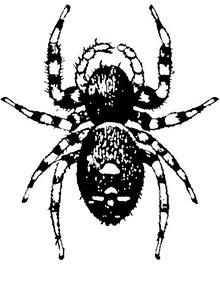
Jumping spiders are small, colorful arachnids that hunt during the day by stalking and pouncing on prey, using silk only as an anchor.
Revised
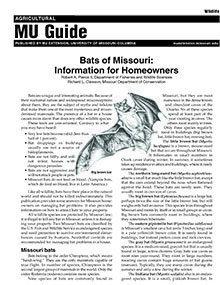
Discover the diverse bat species in Missouri, their ecological benefits, and guidance on safely managing bat encounters in homes.
Reviewed
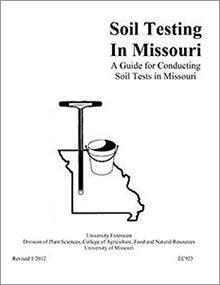
Find out how fertile your garden or lawn soil is with a soil test. Results estimate the ability of soil to supply plant nutrients or support plant growth. Learn the process of taking a soil sample and the tools necessary to do so in this guide.
Reviewed
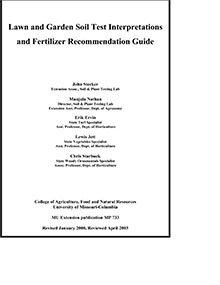
Eliminate the guesswork of providing nutrients for plant growth and avoid potentially environmentally harmful fertilizer applications by having your home lawn and garden soil tested. Learn the methods used by the MU Soil and Plant Testing in this guide.
Reviewed
Reviewed
Learn about bluegill sunfish aquaculture in Missouri, including species info, spawning, pond prep, and water quality management.
Reviewed
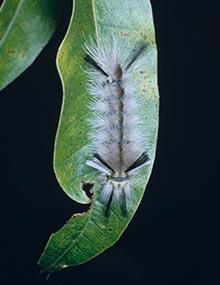
Pale tussock moth caterpillars (Halysidota tessellaris) are present from early summer to fall. They produce two generations per year.
Reviewed
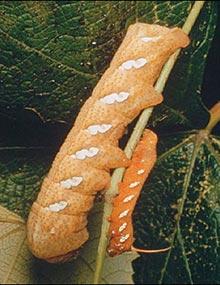
Achemon sphinx caterpillars (Eumorpha achemon) are present from early summer to fall. They produce one to two generations per year.
Reviewed
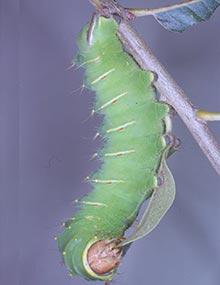
Polyphemus moth caterpillars (Antheraea polyphemus) are present from May to October. They produce multiple generations per year.
Reviewed
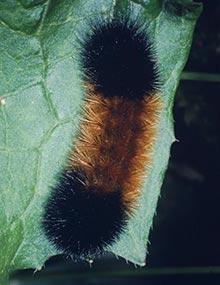
Banded woollybear caterpillars (Pyrrharctia isabella) are present in the spring and from late summer to late fall. They produce one to two generations per year.
Reviewed
Learn how to clean and disinfect flooded wells and cisterns to ensure safe drinking water, including inspection, chlorination, and testing steps.
Reviewed
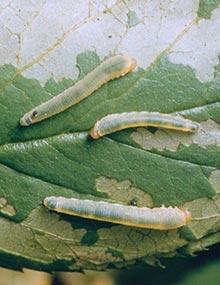
Roseslug caterpillars (Endelomyia aethiops) are present in summer. They produce one generation per year.
Reviewed
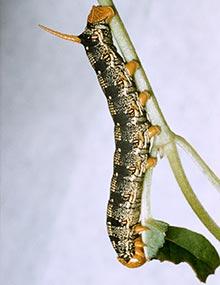
Catalpa sphinx caterpillars (Ceratomia catalpae) are present from early summer to early fall. They produce multiple generations per year.
Reviewed
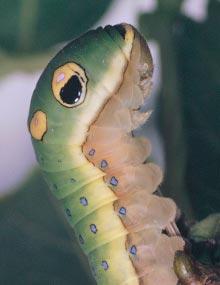
Spicebush swallowtail caterpillars (Papilio troilus) are present from May to October. They produce two to three generations per year.
Reviewed
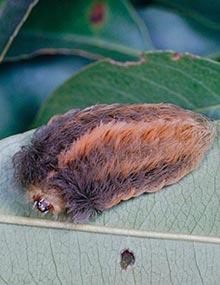
Crinkled flannel moths caterpillars (Lagoa crispata) are present in summer and fall. They produce two generations per year.
Reviewed
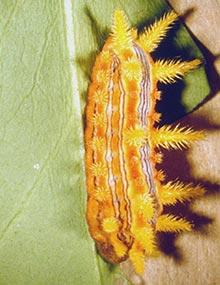
Stinging rose caterpillars (Parasa indetermina) are present in summer and fall. They produce one to two generations per year.
Reviewed
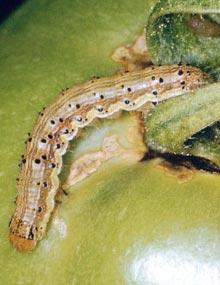
Tomato fruitworm, corn earworm caterpillars (Helicoverpa zea) are present in mid-June. They produce two generations per year.
Reviewed
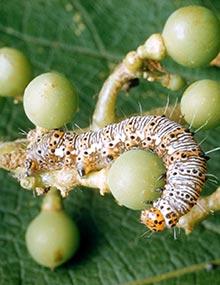
Eight-spotted forester caterpillars (Alypia octomaculata) are present from spring to early fall. They produce one to two generations per year.
Reviewed
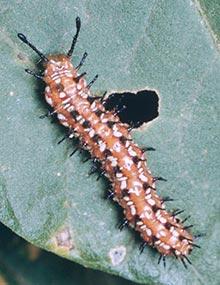
Variegated fritillary caterpillars (Euptoieta claudia) are present from June to October. They produce multiple generations per year.
Reviewed
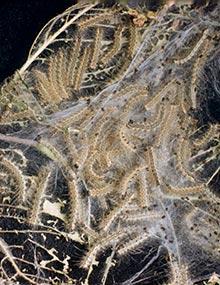
Fall webworm caterpillars (Hyphantria cunea) are present from spring to fall. They produce two to three generations per year.
Reviewed
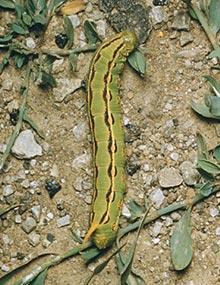
Whitelined sphinx caterpillars (Hyles lineata) are present from spring to early fall. They produce one to two generations per year.
Reviewed
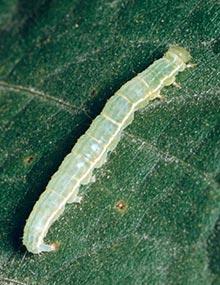
Green cloverworm caterpillars (Hypena scabra) are present from summer to fall. They produce three generations per year.
Reviewed
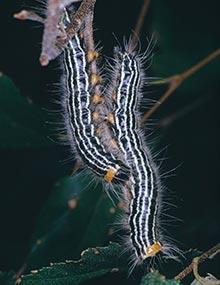
Yellownecked caterpillars (Datana ministra) are present from July to September. They produce one generation per year.
Reviewed
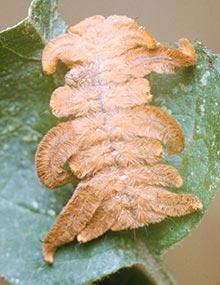
Hag moths caterpillars (Phobetron pithecium) are present in summer and fall. They produce one generation per year.
Reviewed
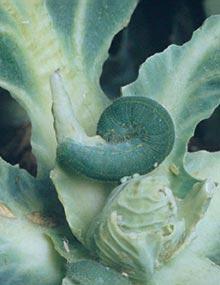
Imported cabbageworm caterpillars (Pieris rapae) are present from early spring to summer. They produce multiple generations per year.