Image
Revised
Tomatoes are a popular home garden crop. They require little area, bear repeatedly, are easy to grow and have many culinary uses. Learn about various varieties and get tips for growing tomatoes in this guide.
Reviewed
Forcing bulbs indoors brings spring color to your home during winter. Learn how to select, chill, and pot bulbs like daffodils, tulips, and hyacinths.
Reviewed
Reviewed
Growing asparagus in Missouri requires selecting a well-drained site, choosing suitable varieties, and proper planting techniques.
Reviewed
Create distinctive indoor decorations by drying flowers and foliage. Air-drying, pressing, using dessicants, microwave oven-drying and freeze-drying methods plus preserving foliage with glycerin are covered in this illustrated MU Extension guide.

Revised
Learn how to design and manage the interactive agroforestry practice of riparian forest buffers.

Revised
This guide explains the basics of establishing and managing a Chinese chestnut orchard.
Reviewed
Explore methods for managing lagoon solids in flush dairy systems, including removal techniques and solid separation system improvements.
New
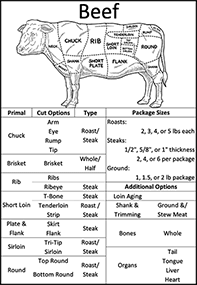
If you are interested in buying meat from a local farmer, in quarters or halves, review these five considerations: how much meat your family can consume and what cuts to buy, sourcing an animal, finding a local meat processor, costs, and timing.

New
Describes using sugar, syrup, or honey to preserve jams and canned fruit, plus reduced-sugar recipes and methods to dry or freeze strawberries.
Revised
Heifers are the foundation of any dairy enterprise and directly affect future profitability. Learn how to manage a heifer development program to maintain a herd with farm-raised heifers and save the cost of buying replacement heifers in this guide.
Reviewed
This guide explores how children express creativity and offers strategies for adults to nurture imaginative thinking.
Reviewed
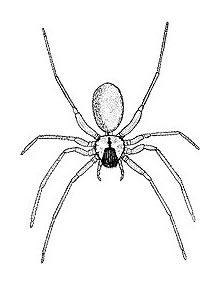
Provides detailed information about the brown recluse spider, including its appearance, habitat, behavior, and medical implications of its bite.
Reviewed
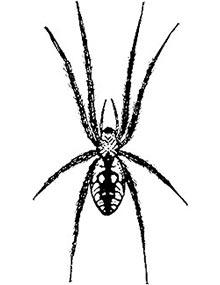
Orb weavers, such as the yellow garden spider, are nonpoisonous and build large, sticky webs to catch insects like grasshoppers.

Reviewed
Crab spiders (Thomisidae) are nonpoisonous ambush predators that capture prey by waiting motionless on flowers.
Reviewed
The publication provides detailed information about various spider species found in Missouri, including their biology, habits, and potential risks to humans.
Reviewed
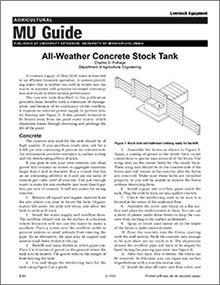
Learn how to build an all-weather concrete stock tank, with measured and detailed plans.

Reviewed
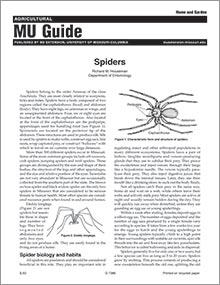
Learn to identify and manage common Missouri spiders, including black widow and brown recluse, with safety tips and control methods.
Reviewed
Spiders belong to the order Araneae of the class Arachnida. More than 300 different spiders occur in Missouri.
Reviewed
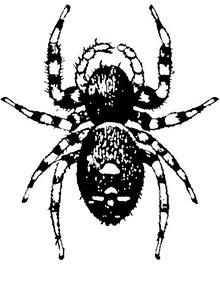
Jumping spiders are small, colorful arachnids that hunt during the day by stalking and pouncing on prey, using silk only as an anchor.
Reviewed
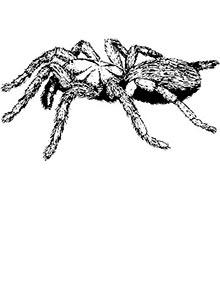
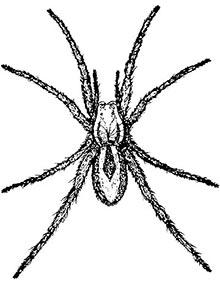
Wolf spiders are large, harmless hunters found in many habitats. Females carry egg sacs, and young ride on their backs after hatching.
Revised
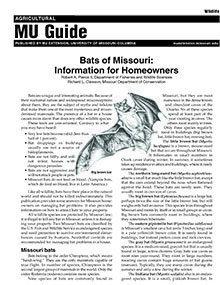
Discover the diverse bat species in Missouri, their ecological benefits, and guidance on safely managing bat encounters in homes.
Reviewed
Eliminate the guesswork of providing nutrients for plant growth and avoid potentially environmentally harmful fertilizer applications by having your home lawn and garden soil tested. Learn the methods used by the MU Soil and Plant Testing in this guide.
Reviewed
Reviewed
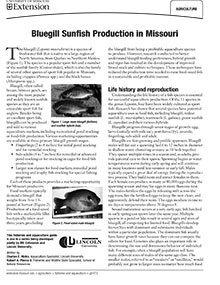
Learn about bluegill sunfish aquaculture in Missouri, including species info, spawning, pond prep, and water quality management.