Image
Revised
Discover the diverse bat species in Missouri, their ecological benefits, and guidance on safely managing bat encounters in homes.
Reviewed
Explore alternative crops like amaranth, buckwheat, pearl millet, and sunflower for double-cropping in Missouri to enhance profits and reduce pest cycles.
Reviewed
Reviewed
Learn about bluegill sunfish aquaculture in Missouri, including species info, spawning, pond prep, and water quality management.
Reviewed
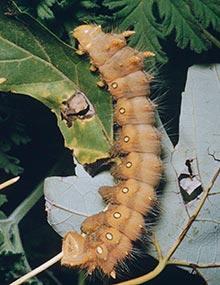
Imperial moth caterpillars (Eacles imperialis) are present from June to August. They produce two generations per year. Common host plants include oaks, sweetgum, maple, hickory, sassafras, elm and sycamore.
Reviewed
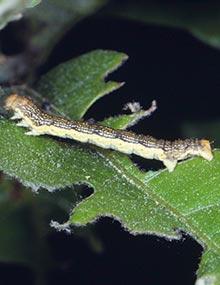
Linden looper caterpillars (Erannis tiliaria) are present from late spring to summer. They produce one generation per year.
Reviewed
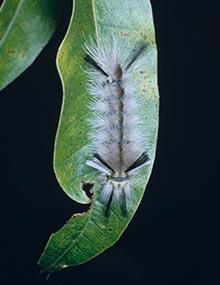
Pale tussock moth caterpillars (Halysidota tessellaris) are present from early summer to fall. They produce two generations per year.
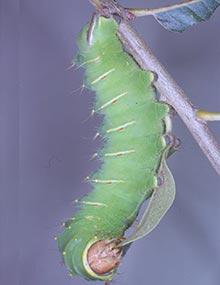
Reviewed
Polyphemus moth caterpillars (Antheraea polyphemus) are present from May to October. They produce multiple generations per year.
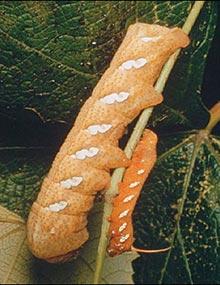
Reviewed
Achemon sphinx caterpillars (Eumorpha achemon) are present from early summer to fall. They produce one to two generations per year.
Reviewed
Caterpillars are some of the most easily observed insects in backyards and gardens. Learn to identify them so you will know what type of butterflies or moths they will turn into.
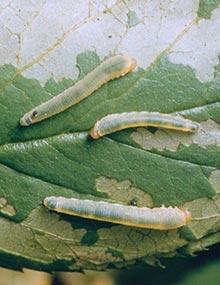
Reviewed
Roseslug caterpillars (Endelomyia aethiops) are present in summer. They produce one generation per year.
Reviewed
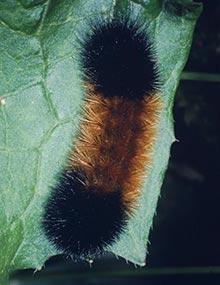
Banded woollybear caterpillars (Pyrrharctia isabella) are present in the spring and from late summer to late fall. They produce one to two generations per year.
Reviewed
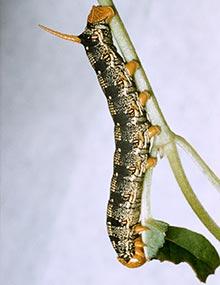
Catalpa sphinx caterpillars (Ceratomia catalpae) are present from early summer to early fall. They produce multiple generations per year.
Reviewed
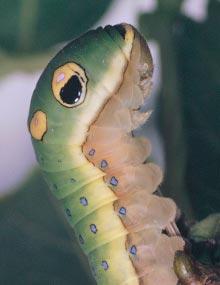
Spicebush swallowtail caterpillars (Papilio troilus) are present from May to October. They produce two to three generations per year.
Reviewed
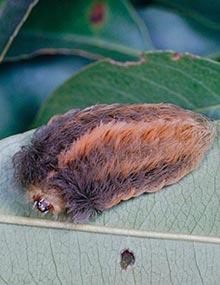
Crinkled flannel moths caterpillars (Lagoa crispata) are present in summer and fall. They produce two generations per year.
Reviewed
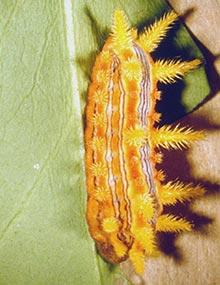
Stinging rose caterpillars (Parasa indetermina) are present in summer and fall. They produce one to two generations per year.
Reviewed
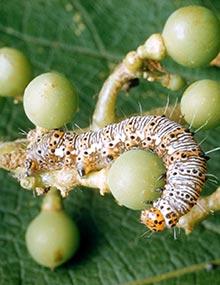
Eight-spotted forester caterpillars (Alypia octomaculata) are present from spring to early fall. They produce one to two generations per year.
Reviewed
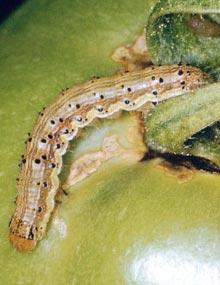
Tomato fruitworm, corn earworm caterpillars (Helicoverpa zea) are present in mid-June. They produce two generations per year.
Reviewed
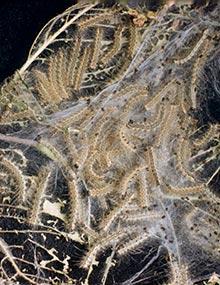
Fall webworm caterpillars (Hyphantria cunea) are present from spring to fall. They produce two to three generations per year.
Reviewed
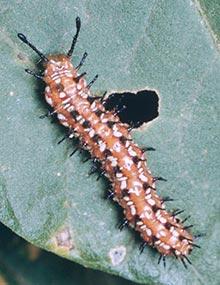
Variegated fritillary caterpillars (Euptoieta claudia) are present from June to October. They produce multiple generations per year.
Reviewed
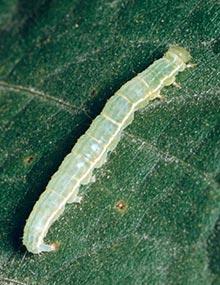
Green cloverworm caterpillars (Hypena scabra) are present from summer to fall. They produce three generations per year.
Reviewed
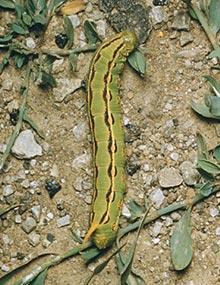
Whitelined sphinx caterpillars (Hyles lineata) are present from spring to early fall. They produce one to two generations per year.
Reviewed
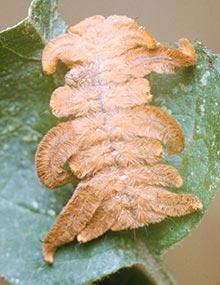
Hag moths caterpillars (Phobetron pithecium) are present in summer and fall. They produce one generation per year.
Reviewed
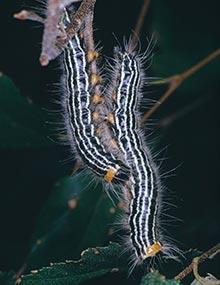
Yellownecked caterpillars (Datana ministra) are present from July to September. They produce one generation per year.