Image
Reviewed
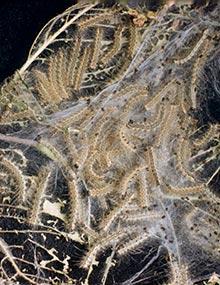
Fall webworm caterpillars (Hyphantria cunea) are present from spring to fall. They produce two to three generations per year.
Reviewed
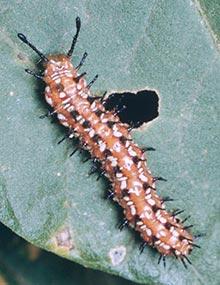
Variegated fritillary caterpillars (Euptoieta claudia) are present from June to October. They produce multiple generations per year.
Reviewed
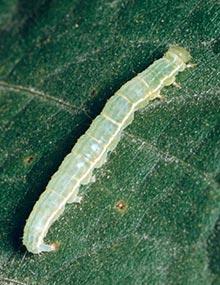
Green cloverworm caterpillars (Hypena scabra) are present from summer to fall. They produce three generations per year.
Reviewed
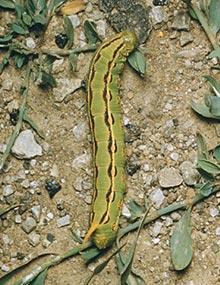
Whitelined sphinx caterpillars (Hyles lineata) are present from spring to early fall. They produce one to two generations per year.
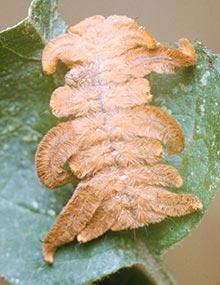
Reviewed
Hag moths caterpillars (Phobetron pithecium) are present in summer and fall. They produce one generation per year.
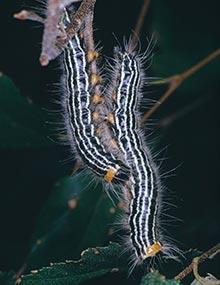
Reviewed
Yellownecked caterpillars (Datana ministra) are present from July to September. They produce one generation per year.
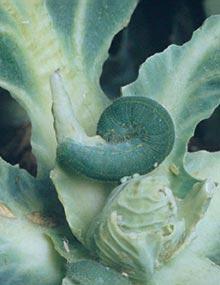
Reviewed
Imported cabbageworm caterpillars (Pieris rapae) are present from early spring to summer. They produce multiple generations per year.
Reviewed
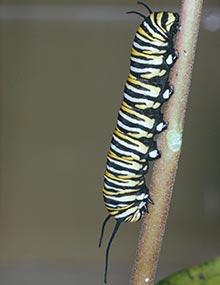
Monarch caterpillars (Danaus plexippus) are present in summer months. They produce multiple generations per year.
Reviewed
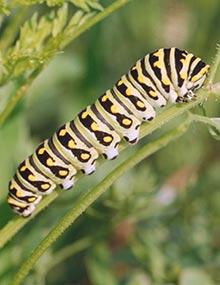
Parsleyworm caterpillars (Papilio polyxenes) are present from May to October. They produce three generations per year.
Reviewed
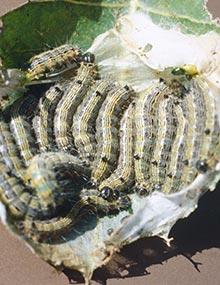
Poplar tentmaker caterpillars (Clostera inclusa) are present from spring to fall. They produce two generations per year.
Reviewed
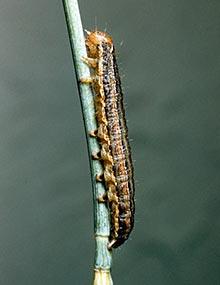
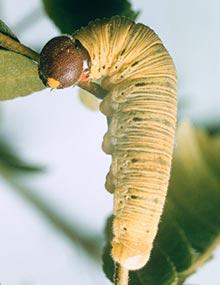
Armyworm caterpillars (Pseudaletia unipunctata) are present from early summer to fall. They produce three generations per year.
Reviewed
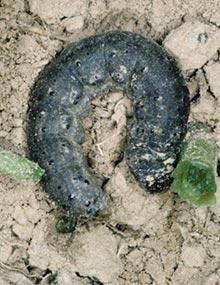
Silverspotted skipper caterpillars (Epargyreus clarus) are present in summer and fall. They produce two to three generations per year.
Reviewed
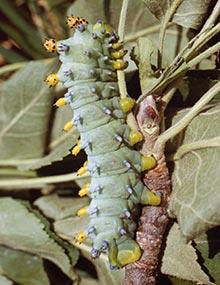
Black cutworm caterpillars (Agrotis ipsilon) are present from late spring to fall. They produce one to three generations per year.
Reviewed
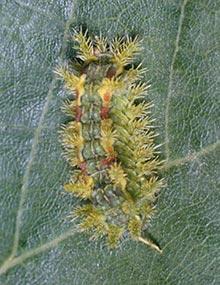
Cecropia moth caterpillars (Hyalophora cecropia) are present from May to August. They produce one generation per year.
Reviewed
Spiny oak slug caterpillars (Euclea delphinii) are present in summer and fall. They produce one to two generations per year.
Reviewed
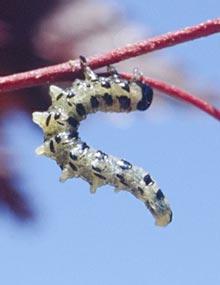
Dusty birch sawfly caterpillars (Croesus latitarsus) are present in summer and fall. They produce two to three generations per year.
Reviewed
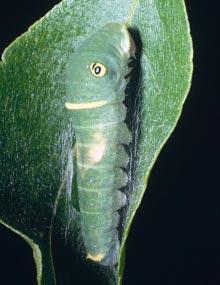
Tiger swallowtail caterpillars (Papilio glaucus) are present from May to October. They produce two to three generations per year. Preferred host plants include hoptree, birch, tulip tree, ash, basswood, cherry, apple, willow and magnolia.
Reviewed
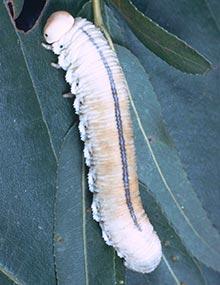
Elm sawfly caterpillars (Cimbex americana) are present from summer to fall. They produce one generation per year.
Reviewed
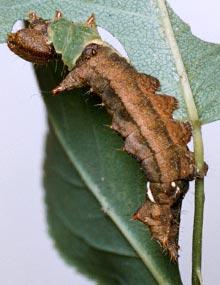
Unicorn caterpillars (Schizura unicornis) are present from summer to fall. They produce one generation per year.
Reviewed
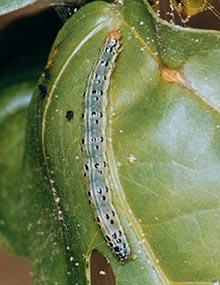
Garden webworm caterpillars (Achyra rantalis) are present from late spring to fall. They produce two to three generations per year.
Reviewed
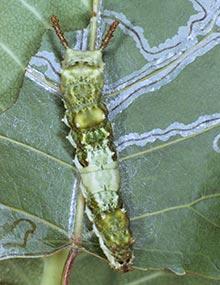
Viceroy caterpillars (Limenitis archippus) are present from early summer to fall. They produce two generations per year.
Reviewed
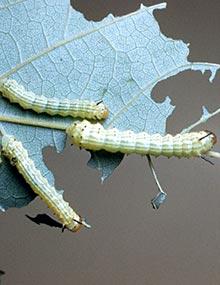
Greenstriped mapleworm caterpillars (Dryocampa rubicunda) are present from late spring to late fall. They produce one to two generations per year.
Reviewed
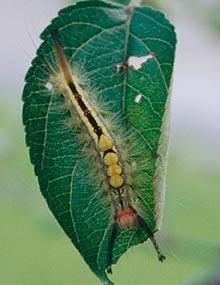
Whitemarked tussock moth caterpillars (Orgyia leucostigma) are present from May to October. They produce two generations per year.
Reviewed
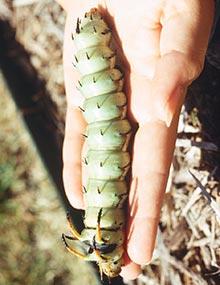
Hickory horned devil caterpillars (Citheronia regalis) are present from July to October. They produce two generations per year.