Image
Reviewed
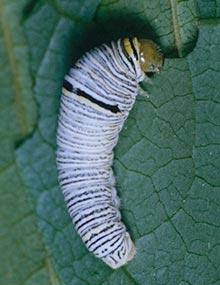
Zebra swallowtail caterpillars (Graphium marcellus) are present from May to November. They produce two to three generations per year.
Reviewed
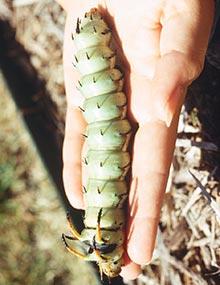
Hickory horned devil caterpillars (Citheronia regalis) are present from July to October. They produce two generations per year.
Reviewed
Learn how to clean and disinfect flooded wells and cisterns to ensure safe drinking water, including inspection, chlorination, and testing steps.
Reviewed
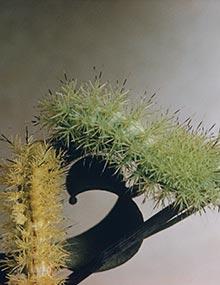
Io moth caterpillars (Automeris io) are present from July to October. They produce two generations per year.
Reviewed
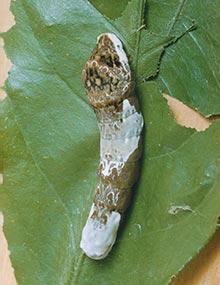
Orangedog caterpillars (Papilio cresphontes) are present from July to October. They produce two generations per year. They are considered a pest to citrus trees.
Reviewed
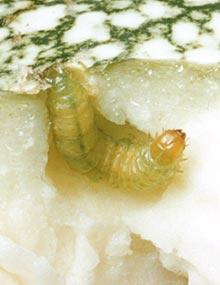
Pickleworm caterpillars (Diaphania nitidalis) are present from summer to fall. They produce two to three generations per year.
Reviewed
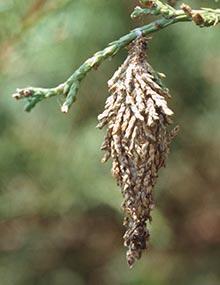
Bagworm caterpillars (Thyridopteryx ephemeraeformis) are present from early June to August. They produce one generation per year.
Reviewed
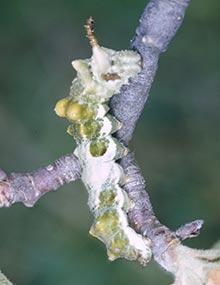
Red-spotted purple caterpillars (Limenitis arthemis) are present from early summer to fall. They produce two generations per year.
Reviewed
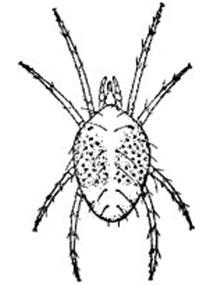
Learn safe and effective ways to manage indoor plant pests using natural, mechanical, and low-toxicity treatments that protect both plants and the environment
Reviewed
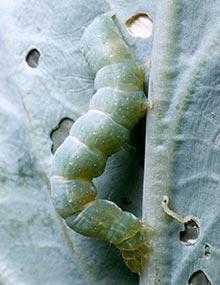
Cabbage looper caterpillars (Trichoplusia ni) are present from late spring to fall. They produce two to three generations per year.
Reviewed
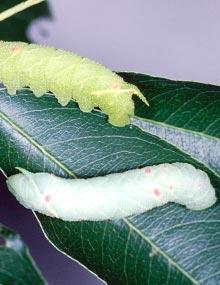
Smalleyed sphinx caterpillars (Paonias myops) are present from May through September. They produce multiple generations per year.
Reviewed
Twig Girdler and Twig Pruner are long-horned beetle species that attack numerous types of valuable trees. Visit our website to learn more.
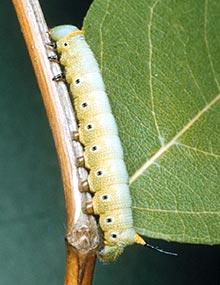
Reviewed
Clearwinged sphinx caterpillars (Hemaris diffinis) are present from April to September. They produce two generations per year.
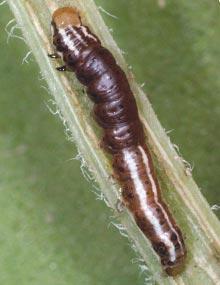
Reviewed
Stalk borer caterpillars (Papaipema nebris) are present from May to August. They produce one generation per year.
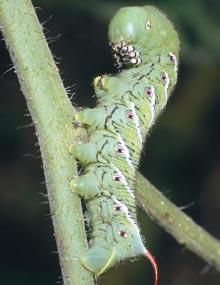
Reviewed
Learn to identify and manage tobacco and tomato hornworms in your garden with tips on appearance, feeding habits, and control methods.
Reviewed
Boxelder bugs are black and red insects that may enter homes in fall. They don't cause damage but can be a nuisance. Control includes sealing entry points and removing host trees.
Reviewed
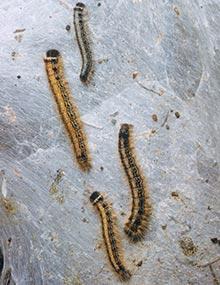
Eastern tent caterpillars (Malacosoma americanum) are present from early spring to June. They produce one generation per year.
Reviewed
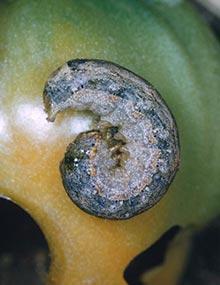
Variegated cutworm caterpillars (Peridroma saucia) are present from late spring to early summer. They produce two to four generations per year.
Reviewed
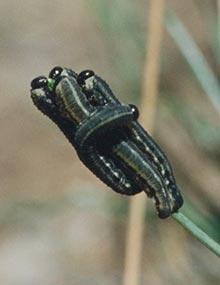
European pine sawfly caterpillars (Neodiprion sertifer) are present in spring and summer. They produce one generation per year.
Reviewed
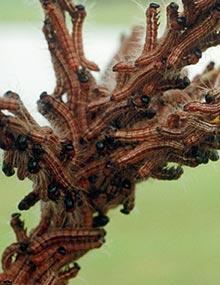
Red phase and black phase walnut caterpillars (Datana integerrima) are present from early May to September. They produce one to two generations per year.
Reviewed
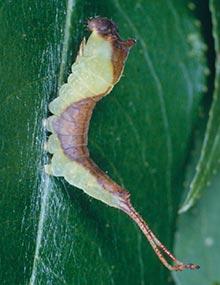
Gray furcula caterpillars (Furcula cinerea) are present from spring to fall. They produce two generations per year.
Reviewed
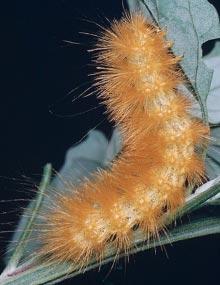
Yellow woollybear caterpillars (Spilosoma virginica) are present from spring to fall. They produce two to three generations per year.
Reviewed
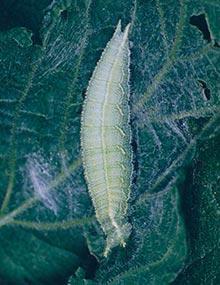
Hackberry emperor caterpillars (Asterocampa celtis) are present from early summer to fall. They produce two generations per year.
Reviewed
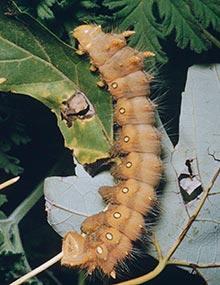
Imperial moth caterpillars (Eacles imperialis) are present from June to August. They produce two generations per year. Common host plants include oaks, sweetgum, maple, hickory, sassafras, elm and sycamore.
Revised
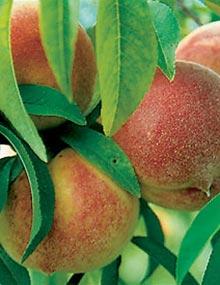
This guide offers practical advice on selecting, planting, and maintaining peach and nectarine trees for optimal fruit production.