-
Image
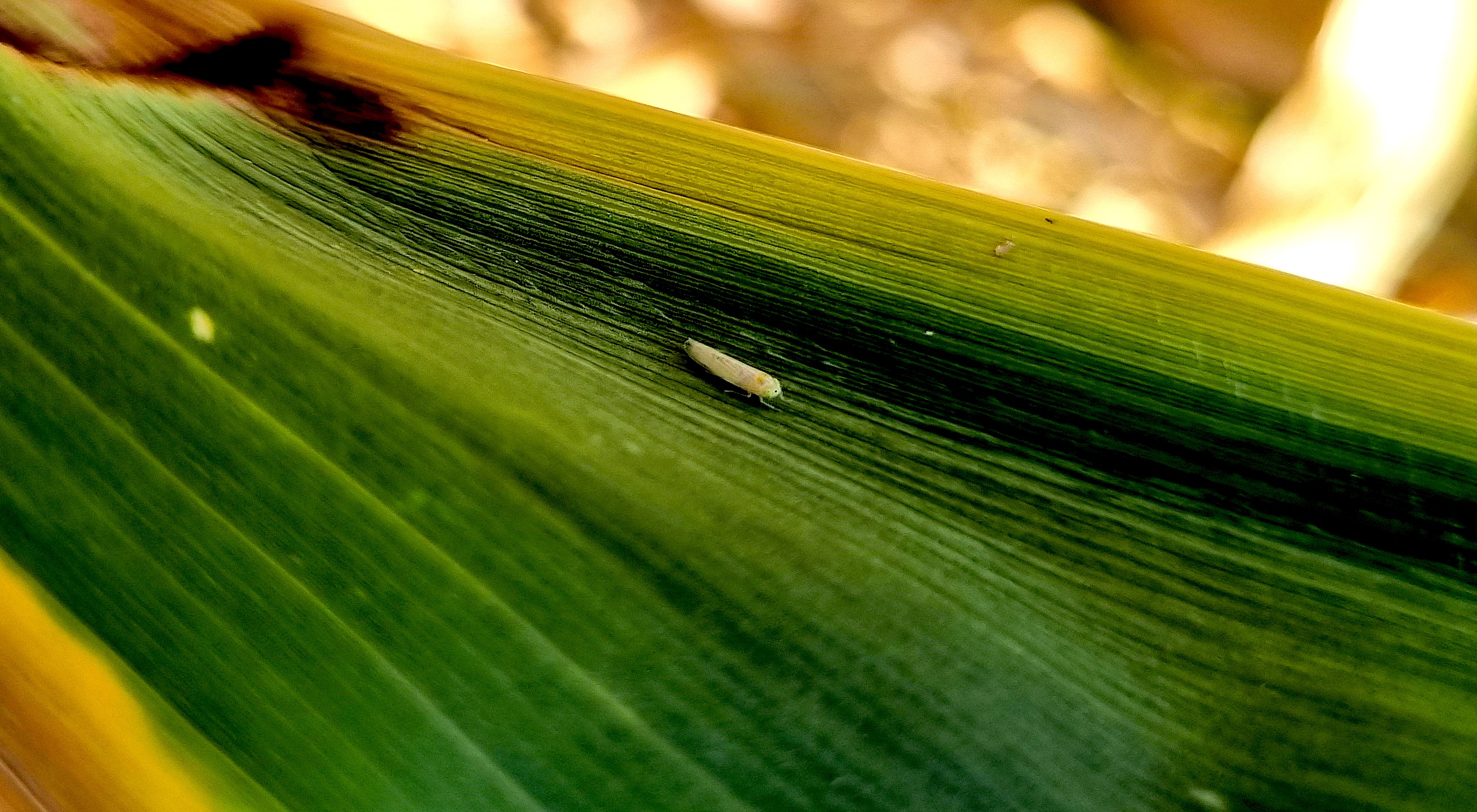
 Corn leafhopper, found in Missouri for the first time in 2024, carries corn stunt disease, which can cause up to 100% yield loss in corn crops. Photo by Lucas Bonuma Severo, University of Missouri.
 -
Image
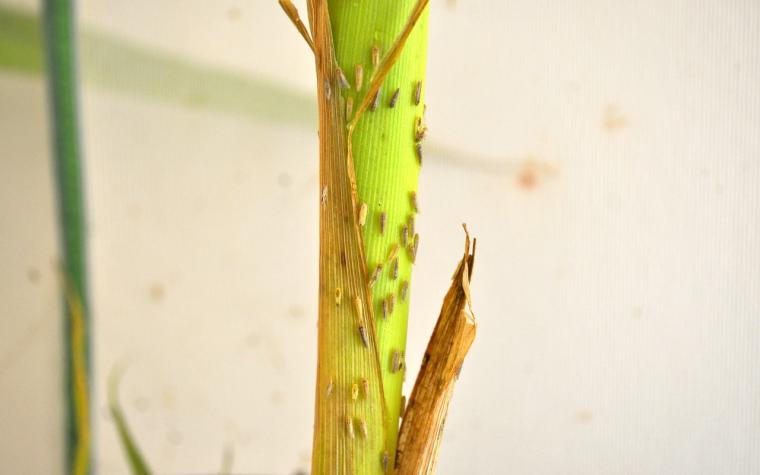
 In 2024, University of Missouri Extension specialists confirmed the presence of corn stunt in Missouri for the first time. Photo courtesy of Lennis Rodrigues, research associate at University of Missouri.
COLUMBIA, Mo. – University of Missouri Extension in-field research in 2025 cornfields showed less damage from corn leafhopper than in 2024.
MU Extension state crops and forage entomologist Ivair Valmorbida is happy about that, but he is unsure why this happened. “It is possible that corn leafhoppers arrived later in the season compared to 2024, as they do not truly overwinter in Missouri,” Valmorbida says.
The invasive pest first appeared in Missouri corn crops in 2024, carrying corn stunt disease, which causes drastic yield losses. Its travels are aided by wind from the south after events like hurricanes.
In 2024, it was confirmed in the Missouri counties of Gentry, Knox, Boone, Pike, Lincoln, Warren, Gasconade, Osage, Morgan, Bates, Laclede, Barton, Lawrence and Christian. In 2025, corn stunt was confirmed in Morgan County.
Although they only reproduce on corn, they can feed on other grass species such as gamagrass and Johnsongrass, says Valmorbida. They also have been found on alfalfa, triticale and other winter annual weeds, although there is no evidence that these plants serve as feeding hosts for corn leafhoppers.
The 1/8-inch pale yellow insect can be distinguished from the aster leafhopper by two distinct dark spots with white halos between its eyes. It sucks plant juices from the phloem of corn plants. While feeding, the pest secretes a honeydew-like substance that favors black, sooty mold. Adults are usually found within the corn whorl and on the underside of corn leaves.
Corn stunt symptoms appear one to eight weeks after inoculation. The range and severity of corn stunt symptoms can vary, and they are influenced by the growth stage when infection occurred, the amount of inoculum present, the corn variety, and environmental and weather factors.
Most common symptoms include yellow streaks on the base of infected leaves and yellowing or reddening of leaf tips. Other symptoms can include shortened internodes, small ears, deformed kernels and poor grain filling. Corn stunt can also cause wilting and plant death, leading to significant yield losses.
Management is complex, and once plants are infected, damage is irreversible, says Valmorbida. The earlier the infection, the greater the damage.
He recommends that growers scout fields often, using yellow stick traps and by visually inspecting corn plants. Consider insecticidal seed treatments that can provide control of corn leafhoppers up to the V3 growth stage, and foliar insecticide applications if corn leafhoppers are present before the R1 growth stage. Plant early to reduce risk of infestations on young corn.
For information on leaf hopper, see the MU Extension publication Biology and Management of Corn Leafhopper.
You also may contact your area MU Extension agronomist or email Valmorbida at ivairvalmorbida@missouri.edu.
Photos
MU Extension crops entomologist Ivair Valmorbida recommends scouting early and often for corn leafhopper.
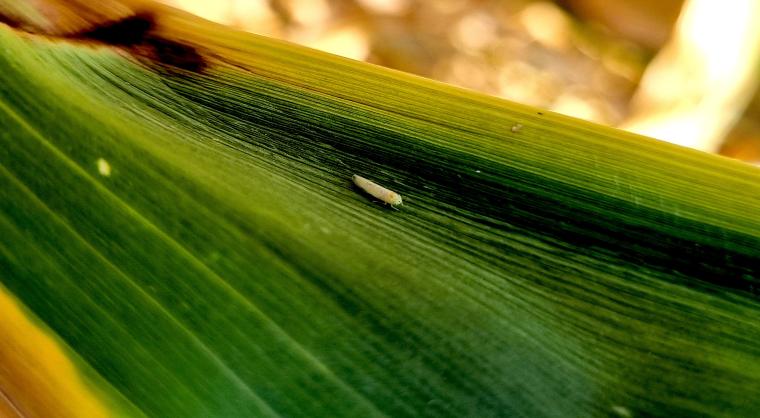
Leafhopper 1. Photo by Lucas Bonuma Severo.
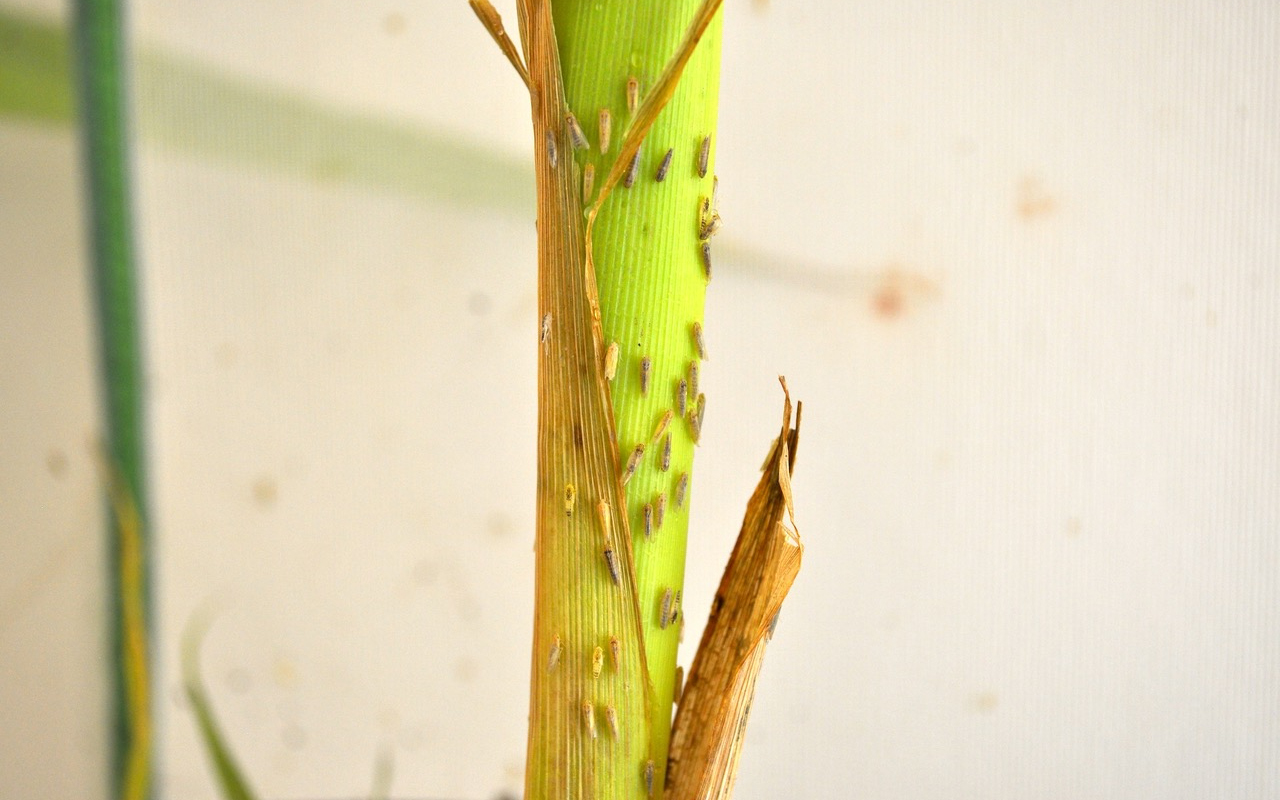
Leafhopper 2. Photo courtesy of Lennis Rodrigues.