-
Image
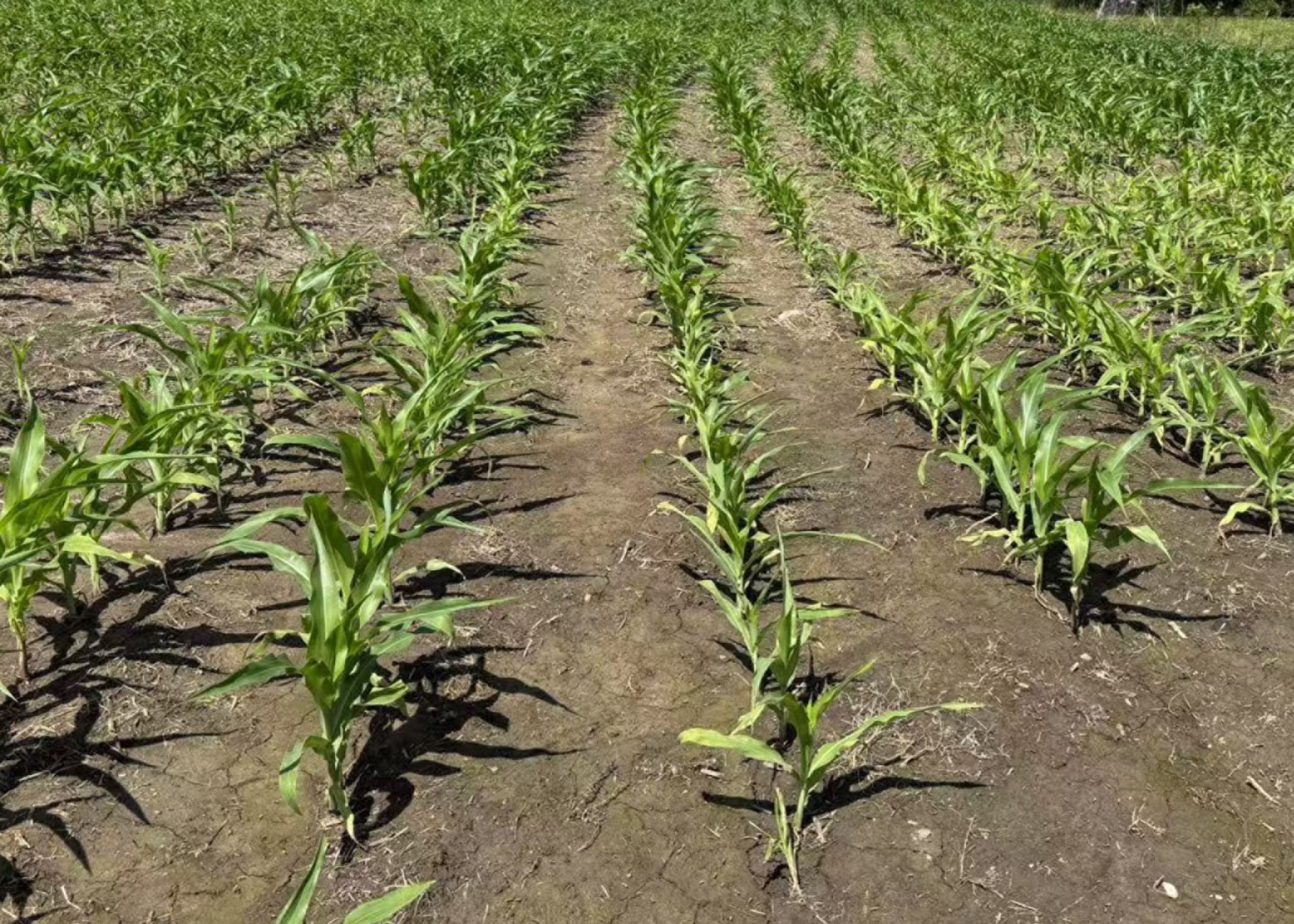
 Heavy rainfall can cause nitrogen deficient corn. Analyze the return on investment before applying rescue nitrogen, says University of Missouri Extension state nutrient management specialist John Lory. Photo by Guojie Ruan.
COLUMBIA, Mo. – High fertilizer prices and heavy rainfall in many parts of Missouri are complicating nitrogen management in corn. Growers should evaluate the return on investment before applying rescue nitrogen, says University of Missouri Extension state nutrient management specialist John Lory.
Excess rainfall saturates soils, leading to losses of nitrogen from the soil. Rescue nitrogen refers to an unplanned additional application used when corn is yellowing due to nitrogen loss.
Historically, rescue nitrogen applications were almost always profitable. “Corn plants that are deficient in nitrogen will always increase yield, even when the application is applied after tasseling,” Lory says. But because of high fertilizer prices, rescue nitrogen requires more yield response to pay off.
“Rescue nitrogen can still pay, but the decision is more field-specific than when fertilizer was cheaper,” Lory says.
To help determine whether a rescue application will pay, Lory recommends starting with a simple breakeven calculation:
[(N price per pound × pounds of N applied) + application cost] ÷ corn price = breakeven bu/ac
For example, if nitrogen costs $1 per pound and 50 pounds of N are applied per acre, plus $10 per acre in application costs, the total comes to $60 per acre. With corn priced at $4.50 per bushel, the breakeven response is about 14 bushels per acre.
Previous research from MU Extension showed an average yield response of 35 bushels per acre, but variability is high, Lory says.
Nitrogen loss is often uneven, meaning some parts of the field are severely deficient while others still have adequate nitrogen. This makes it harder to predict the overall value of a rescue application.
Lory also notes that the value of rescue nitrogen is not linear. The greatest return per pound typically occurs in the most deficient areas.
He offers several guidelines when considering rescue nitrogen:
- Fields with clear, widespread nitrogen loss will benefit.
- If the situation is uncertain, a lower N rate may be the safer economic choice.
- The first pounds of nitrogen usually deliver the greatest return.
Research from MU Extension shows that corn can respond to nitrogen later than many producers expect — even after tasseling. “The crop will often have no yield loss if rescue applications occur before tasseling; applications after tasseling will still increase yield,” Lory says.
For more information, contact a local MU Extension agronomist or review the Rescue Nitrogen Brief (PDF).
Photo
Heavy rainfall can cause nitrogen deficient corn. Analyze the return on investment before applying rescue nitrogen, says University of Missouri Extension state nutrient management specialist John Lory. Photo by Guojie Ruan.