-
Image
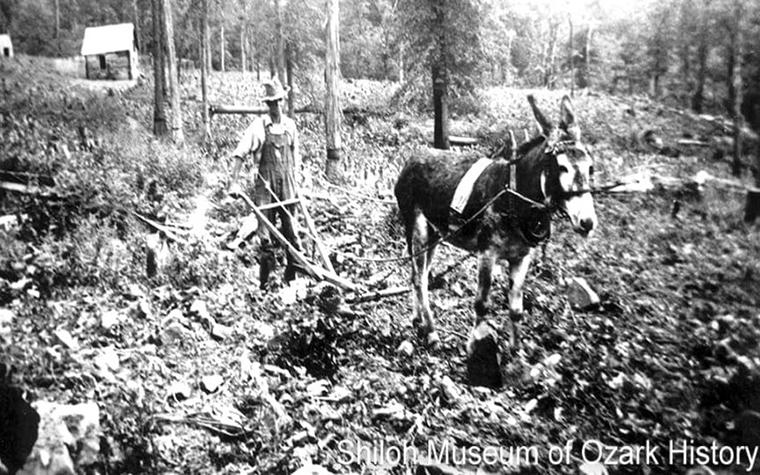 Shiloh Museum of Ozark History.
WEST PLAINS, Mo. – A University of Missouri Extension program will help Missourians improve forage yield and sustainability by understanding soil in the Ozarks. The event is 5:30-6:45 p.m. Friday, Feb. 27, at the MU Extension Center in Howell County, 1376 Bill Virdon Blvd., West Plains.
“A History of Ozark Soils and the Conversion to Farmland: Lessons That Help Us in Today’s Forage Production” will take a deep look at how Ozark landscapes functioned prior to settlement and how land conversion altered the soil building processes, said MU Extension agronomy specialist Joshua Dunn.
The program includes an exhibit of historical photographs of early 20th century farming practices in the Ozarks. Dunn will present ecological research and more than 10 years of regional soil test data. “Participants will learn about the botanical and ecological history that was the genesis of Ozarks soil,” he said.
A key part of the program focuses on current soil conditions in central Missouri, drawing from nearly 20,000 soil tests done between 2015 and 2025, and how today’s soil test data, with Ozark soil history as a foundation, can guide better forage and fertility decisions.
The program takes participants through the history of the Ozarks’ deep-rooted native grasses, open savannas and virgin woodlands to times when land clearing, continuous grazing and fire disrupted the soil.
Register online, or call the MU Extension Center in Howell County at 417-256-2391.