Entries accepted through Oct. 15.
-
Image
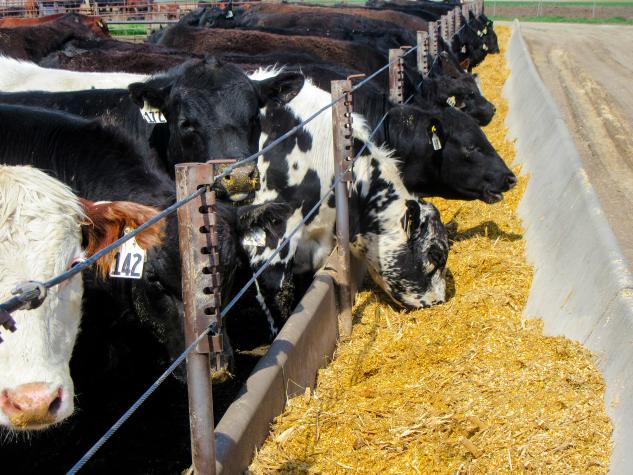
STOCKTON, Mo. – “Retaining ownership of calves after weaning can add value, increase income, and support the long-term sustainability of your cattle operation,” says Patrick Davis, University of Missouri Extension field specialist in livestock.
Producers can also gain valuable experience, evaluate calf feeding performance and make management decisions that help calves perform better in the feedlot and at slaughter. These improvements can lead to premiums and greater profit potential. Cow-calf operations may be less able to pursue these opportunities because of limited resources or knowledge, but they could benefit greatly from a nearby option for feeding their calves. Through the cooperative efforts of MU Extension, the Show Me Youth Ag Academy and Missouri State University, the Missouri Steer Feedout will offer that opportunity by enrolling spring-born steers to begin feeding in November.
“Steers will be fed at the Show Me Feedlot in Dade County in southwest Missouri,” says Davis. For the past two years, the program has used this feedlot near Newport, Mo., northeast of Lamar. Youth in the Show Me Youth Ag Academy gain hands-on experience feeding and managing feedlot cattle with support from the feedlot crew. Because the feedlot is local, cattle producers can visit their calves as often as they choose. Producers can also:
- Evaluate how genetics and pre-feedlot management affect feedlot performance and carcass traits.
- Gain experience feeding cattle and retaining ownership without the investment and risk of feeding an entire pen.
- Use program results to market their cattle in other sectors of the cattle industry.
“Feedout entries will be accepted through Oct. 15, with weigh-in expected on Nov. 16,” says Davis. Each entry must include at least five steers born after Jan. 1, 2026. At delivery, steers should be weaned for at least 45 days, though 60 days is preferred, They should also be dehorned, castrated and fully healed, vaccinated twice with modified-live vaccines, and tested negative for BVD-PI. Steers should weigh 500 to 750 pounds so the group can be fed efficiently. Steers do not need to be implanted before arrival, as they will be processed at arrival, implanted and given booster vaccinations based on the feedlot veterinarian’s recommendations.
“Determining how these steers perform physically and financially is important to this program,” says Davis. Therefore, steers are evaluated by Missouri Department of Agriculture or USDA grader at weigh-in and assigned a set-in price as if that steer had sold at the stockyards that day. That set-in price allows calculation of profitability once the steers are sold at slaughter. Performance data will be collected during feeding, and carcass data will be collected at slaughter. This data will be combined with the set-in price and other financial data collected during the feeding period to determine profitability with analysis using the Performance Livestock Analytics program.
“All this data will be provided to the consigner to utilize and help them in making future management decisions,” says Davis.
“Steers will be harvested based on performance, weight, and ultrasound data,” he says. During the past feeding period, the program developed a relationship with U.S. Premium Beef and plans to market steers through its program. After the steers are marketed, producers will receive their final payment, less feedlot expenses, along with carcass and performance data from the feeding period.
“In addition to youth education, this program offers learning opportunities for cattle producers,” says Davis. After the steer weigh-in, an educational meeting will be held with assistance from the steer grader and cattle industry professionals who market feeder cattle. The meeting will cover the steers enrolled in the program, key traits buyers consider when marketing feeder cattle and how those cattle are projected to perform as stockers and in the feedyard. A second public educational event will be held after slaughter to share performance and financial results.
“With favorable cattle markets and low feed prices, steer owners have been very profitable during the past two years,” says Davis. In the first year, average profits ranged from $800 to $1,000 per steer. This year, average profits are projected to range from $400 to $800 per steer.
Producers interested in participating should mail a $20-per-head fee to the Cedar County MU Extension Center, 113 South Street, Stockton, MO 65785, by Oct. 15. The fee will cover incidental feedout expenses and be credited to the producer’s feedlot account. For more information, contact Davis at 417-276-3313 or davismp@missouri.edu.