Image
Reviewed
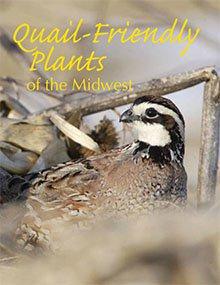
Learn how to identify plants important to bobwhites in the Midwest so that you can critically evaluate the food and cover components of habitat on your land.
Reviewed
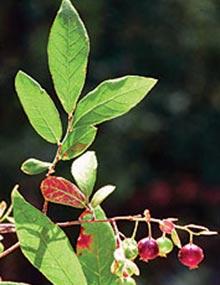
Huckleberries are stiffly branched leafy shrubs or small trees, often found in extensive colonies, from 6 inches to 10 feet tall. The alternate, simple leaves are 3/4 to 3 inches long and 1/2 to 1 inch wide. The fruits are blue to black berries with a faint whitish coating.
Reviewed
Learn how to craft engaging feature stories by focusing on imaginative leads, concise sentences, and active verbs to captivate your readers.
Reviewed
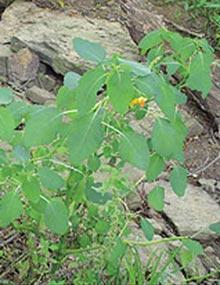
Jewelweed commonly reaches 18-24 inches. Leaves have scalloped edges and fleshy stems that exude a clear, watery gel-like liquid when crushed. Flowers are orange (I. capensis) or pale yellow (I. pallida).
Reviewed
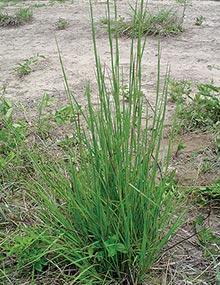
Little bluestem is a native grass that occurs in clumps with fine leaves less than 1/4 inch wide. Seed stalks are commonly 2 to 3 feet tall. Stems are hairy and flattened near the base. Seeds are light and fluffy.
Reviewed
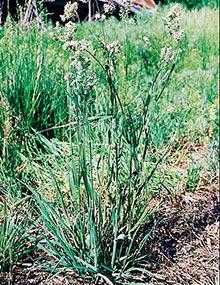
Orchard grass is a cool-season bunch grass. Its leaves have a bluish cast. Close inspection of the leaf collar reveals a flattened shape and membranous ligule. Its rather distinctive seed heads form by late May. Height at maturity averages 3 feet.
Reviewed
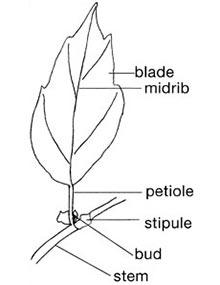
Refer to this glossary for definitions of words and phrases related to plants.
Reviewed
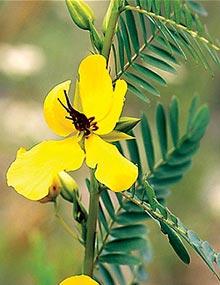
Partridge pea grows from 12 to 18 inches up to 3 feet tall. It has compound, alternate leaves. Leaflets are less than 1 inch long. Flowers are bright yellow with reddish-purple bases, about 1 inch across. Ripened seedpods are red-brown.
Reviewed
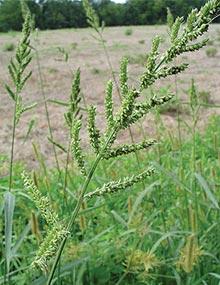
Barnyardgrass is most often found growing in moist areas. The large seeds of this grass make it an important food source for bobwhites.
Reviewed
Infants are most at risk from nitrate-contaminated water, which can lead to serious health issues.
Reviewed
Discover effective strategies for managing dairy manure to optimize nutrient recovery and enhance crop productivity through proper manure handling.
Reviewed
Land application of biosolids recycles nutrients, reduces pollution, and follows safety practices to protect soil, crops, and water.
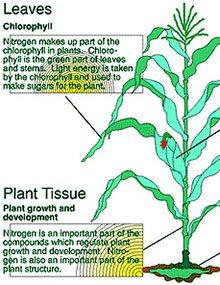
Reviewed
Nitrogen plays an important part in many essential functions. Visit our website to learn about Nitrogen in the Plant.
Reviewed
Biosolids are domestic wastewater sludge that meet standards for beneficial use as fertilizer. Visit our site to learn the Benefits and Risks of Biosolids.
Reviewed
Nitrification converts ammonium to nitrate, which can leach into groundwater, posing health risks, especially for infants.
Reviewed
Nitrogen is essential for plant growth, but excessive nitrate from fertilizers can contaminate groundwater, posing health risks, especially to infants.
Revised
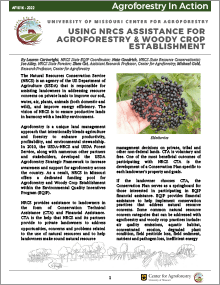
Learn how to access EQIP technical and financial assistance for alley cropping, multistory cropping, riparian buffer, silvopasture and windbreak practices.
Reviewed
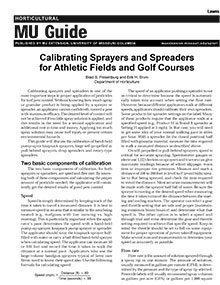
Guidance on accurately calibrating sprayers and spreaders for effective turf pest control on athletic fields and golf courses.
Reviewed
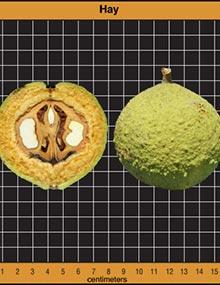
Hay walnut average date of budbreak, flower type, bloom period, pollination date, season length, harvest date, and more.
Reviewed
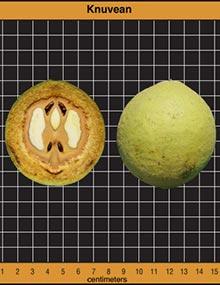
Knuvean walnut average date of budbreak, flower type, bloom period, pollination date, season length, harvest date, and more.
Reviewed
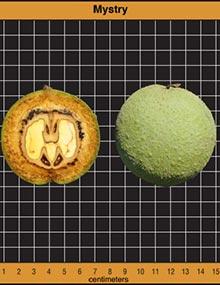
Mystry walnut average date of budbreak, flower type, bloom period, pollination date, season length, harvest date, and more.
Reviewed
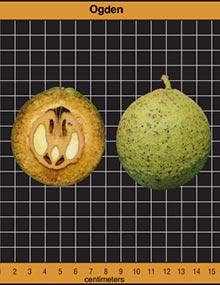
Ogden walnut average date of budbreak, flower type, bloom period, pollination date, season length, harvest date, and more.
Reviewed
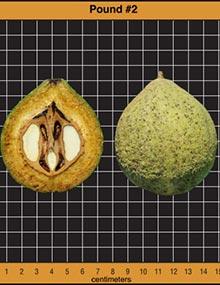
Pound #2 walnut average date of budbreak, flower type, bloom period, pollination date, season length, harvest date, and more.
Reviewed
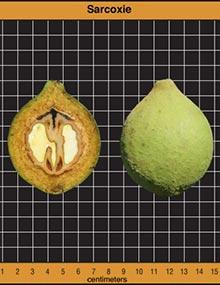
Sarcoxie (Kwik Krop) walnut average date of budbreak, flower type, bloom period, pollination date, season length, harvest date, and more.

Reviewed
Schessler walnut average date of budbreak, flower type, bloom period, pollination date, season length, harvest date, and more.