Image
Reviewed
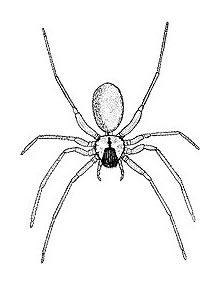
Provides detailed information about the brown recluse spider, including its appearance, habitat, behavior, and medical implications of its bite.
Reviewed
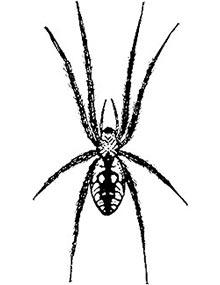
Orb weavers, such as the yellow garden spider, are nonpoisonous and build large, sticky webs to catch insects like grasshoppers.

Reviewed
Crab spiders (Thomisidae) are nonpoisonous ambush predators that capture prey by waiting motionless on flowers.
Reviewed
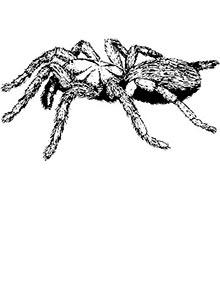
The publication provides detailed information about various spider species found in Missouri, including their biology, habits, and potential risks to humans.
Revised
Discover the diverse bat species in Missouri, their ecological benefits, and guidance on safely managing bat encounters in homes.
Reviewed
Eliminate the guesswork of providing nutrients for plant growth and avoid potentially environmentally harmful fertilizer applications by having your home lawn and garden soil tested. Learn the methods used by the MU Soil and Plant Testing in this guide.
Reviewed
Reviewed
Learn about bluegill sunfish aquaculture in Missouri, including species info, spawning, pond prep, and water quality management.
Reviewed
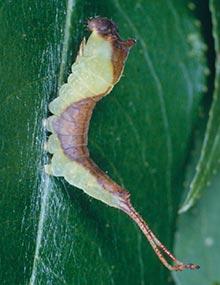
Gray furcula caterpillars (Furcula cinerea) are present from spring to fall. They produce two generations per year.
Reviewed
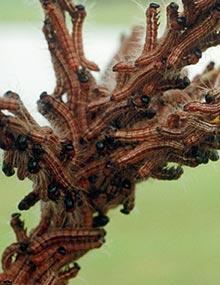
Red phase and black phase walnut caterpillars (Datana integerrima) are present from early May to September. They produce one to two generations per year.
Reviewed
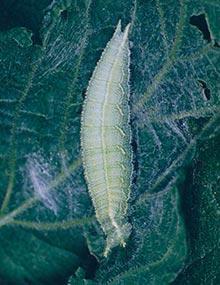
Hackberry emperor caterpillars (Asterocampa celtis) are present from early summer to fall. They produce two generations per year.
Reviewed
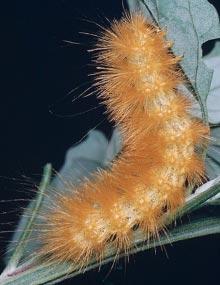
Yellow woollybear caterpillars (Spilosoma virginica) are present from spring to fall. They produce two to three generations per year.
Reviewed
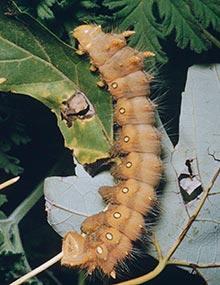
Imperial moth caterpillars (Eacles imperialis) are present from June to August. They produce two generations per year. Common host plants include oaks, sweetgum, maple, hickory, sassafras, elm and sycamore.
Reviewed
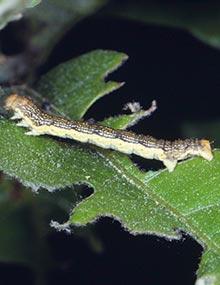
Linden looper caterpillars (Erannis tiliaria) are present from late spring to summer. They produce one generation per year.
Revised
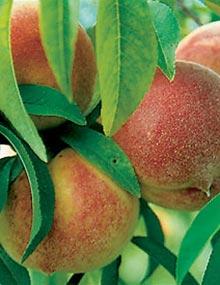
This guide offers practical advice on selecting, planting, and maintaining peach and nectarine trees for optimal fruit production.
Reviewed
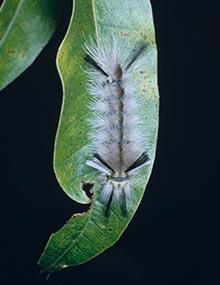
Pale tussock moth caterpillars (Halysidota tessellaris) are present from early summer to fall. They produce two generations per year.
Reviewed
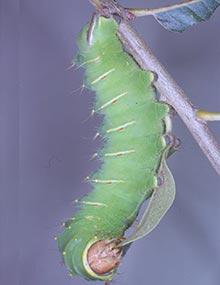
Polyphemus moth caterpillars (Antheraea polyphemus) are present from May to October. They produce multiple generations per year.
Reviewed
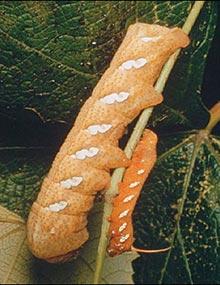
Achemon sphinx caterpillars (Eumorpha achemon) are present from early summer to fall. They produce one to two generations per year.
Reviewed
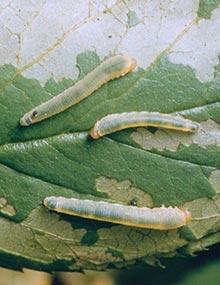
Roseslug caterpillars (Endelomyia aethiops) are present in summer. They produce one generation per year.
Reviewed
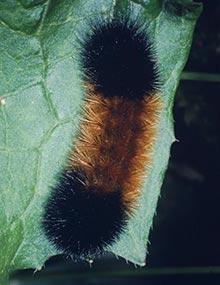
Banded woollybear caterpillars (Pyrrharctia isabella) are present in the spring and from late summer to late fall. They produce one to two generations per year.
Reviewed
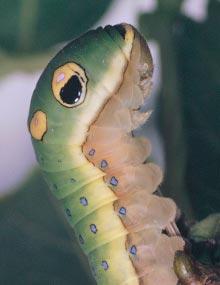
Spicebush swallowtail caterpillars (Papilio troilus) are present from May to October. They produce two to three generations per year.
Reviewed
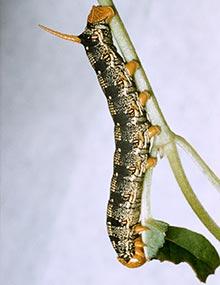
Catalpa sphinx caterpillars (Ceratomia catalpae) are present from early summer to early fall. They produce multiple generations per year.
Reviewed
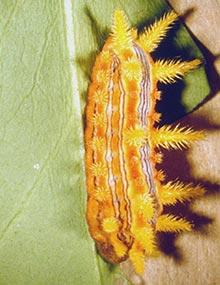
Stinging rose caterpillars (Parasa indetermina) are present in summer and fall. They produce one to two generations per year.
Reviewed
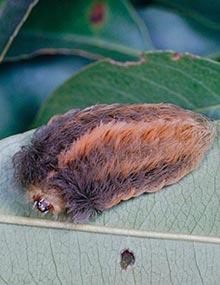
Crinkled flannel moths caterpillars (Lagoa crispata) are present in summer and fall. They produce two generations per year.
Reviewed
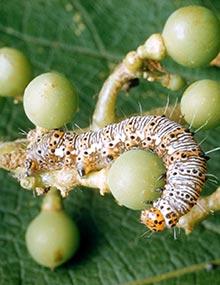
Eight-spotted forester caterpillars (Alypia octomaculata) are present from spring to early fall. They produce one to two generations per year.