Image
Reviewed
Explore methods for managing lagoon solids in flush dairy systems, including removal techniques and solid separation system improvements.
Revised
Heifers are the foundation of any dairy enterprise and directly affect future profitability. Learn how to manage a heifer development program to maintain a herd with farm-raised heifers and save the cost of buying replacement heifers in this guide.
Reviewed
This guide explores how children express creativity and offers strategies for adults to nurture imaginative thinking.
Reviewed
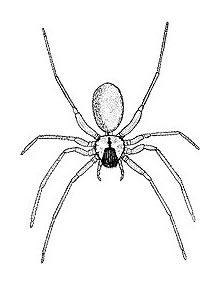
Provides detailed information about the brown recluse spider, including its appearance, habitat, behavior, and medical implications of its bite.
Reviewed
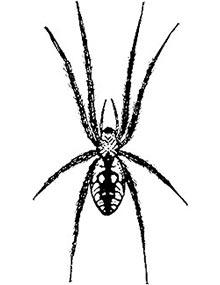
Orb weavers, such as the yellow garden spider, are nonpoisonous and build large, sticky webs to catch insects like grasshoppers.

Reviewed
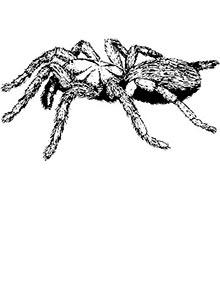
Crab spiders (Thomisidae) are nonpoisonous ambush predators that capture prey by waiting motionless on flowers.
Reviewed
The publication provides detailed information about various spider species found in Missouri, including their biology, habits, and potential risks to humans.

Reviewed
Learn to identify and manage common Missouri spiders, including black widow and brown recluse, with safety tips and control methods.
Reviewed
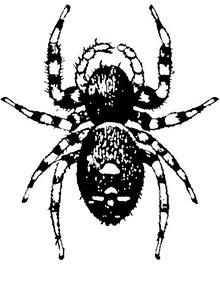
Jumping spiders are small, colorful arachnids that hunt during the day by stalking and pouncing on prey, using silk only as an anchor.
Reviewed
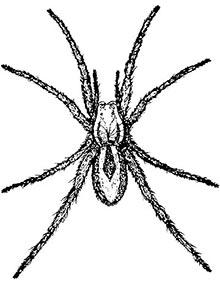
Wolf spiders are large, harmless hunters found in many habitats. Females carry egg sacs, and young ride on their backs after hatching.
Revised
Discover the diverse bat species in Missouri, their ecological benefits, and guidance on safely managing bat encounters in homes.
Reviewed
Eliminate the guesswork of providing nutrients for plant growth and avoid potentially environmentally harmful fertilizer applications by having your home lawn and garden soil tested. Learn the methods used by the MU Soil and Plant Testing in this guide.
Reviewed
Reviewed
Learn about bluegill sunfish aquaculture in Missouri, including species info, spawning, pond prep, and water quality management.
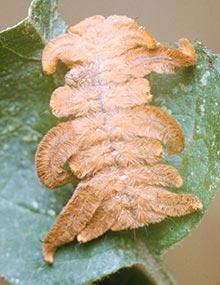
Reviewed
Hag moths caterpillars (Phobetron pithecium) are present in summer and fall. They produce one generation per year.
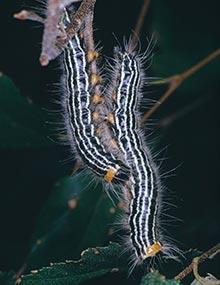
Reviewed
Yellownecked caterpillars (Datana ministra) are present from July to September. They produce one generation per year.
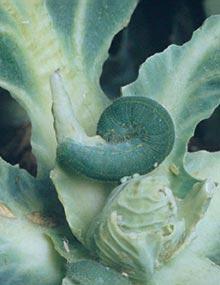
Reviewed
Imported cabbageworm caterpillars (Pieris rapae) are present from early spring to summer. They produce multiple generations per year.
Reviewed
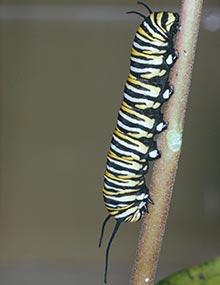
Monarch caterpillars (Danaus plexippus) are present in summer months. They produce multiple generations per year.
Reviewed
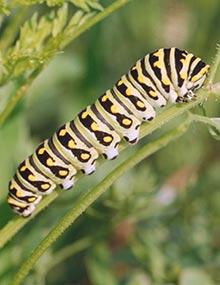
Parsleyworm caterpillars (Papilio polyxenes) are present from May to October. They produce three generations per year.
Reviewed
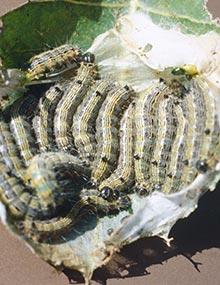
Poplar tentmaker caterpillars (Clostera inclusa) are present from spring to fall. They produce two generations per year.
Reviewed
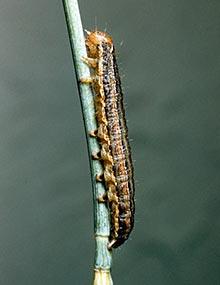
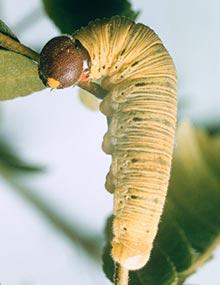
Armyworm caterpillars (Pseudaletia unipunctata) are present from early summer to fall. They produce three generations per year.
Reviewed
Silverspotted skipper caterpillars (Epargyreus clarus) are present in summer and fall. They produce two to three generations per year.
Reviewed
Learn how to clean and disinfect flooded wells and cisterns to ensure safe drinking water, including inspection, chlorination, and testing steps.
Reviewed
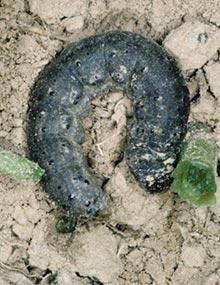
Black cutworm caterpillars (Agrotis ipsilon) are present from late spring to fall. They produce one to three generations per year.