Image
Reviewed
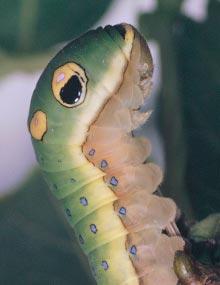
Spicebush swallowtail caterpillars (Papilio troilus) are present from May to October. They produce two to three generations per year.
Reviewed
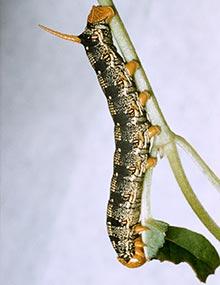
Catalpa sphinx caterpillars (Ceratomia catalpae) are present from early summer to early fall. They produce multiple generations per year.
Reviewed
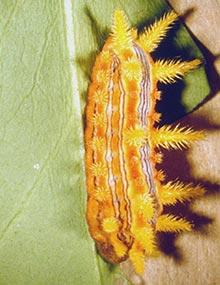
Stinging rose caterpillars (Parasa indetermina) are present in summer and fall. They produce one to two generations per year.
Reviewed
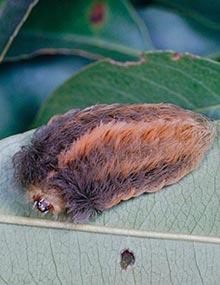
Crinkled flannel moths caterpillars (Lagoa crispata) are present in summer and fall. They produce two generations per year.
Reviewed
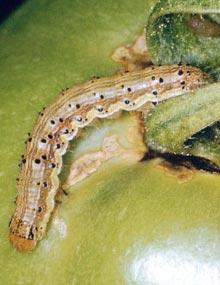
Tomato fruitworm, corn earworm caterpillars (Helicoverpa zea) are present in mid-June. They produce two generations per year.
Reviewed
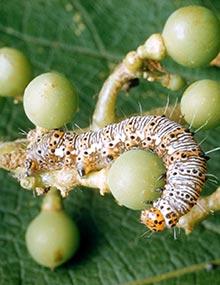
Eight-spotted forester caterpillars (Alypia octomaculata) are present from spring to early fall. They produce one to two generations per year.
Reviewed
Learn how pelvic measurements can help estimate calf birth weight and reduce calving difficulty in beef cattle.
Reviewed
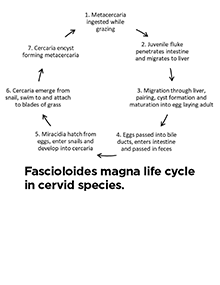
Cattle operations should evaluate their risk for is Fascioloides magna, also known as the deer fluke or the giant liver fluke. Learn about its distribution in Missouri, its life cycle, treatment and more in this guide.

Reviewed
Explore four decision-making techniques to help community groups identify and prioritize projects effectively.
Reviewed
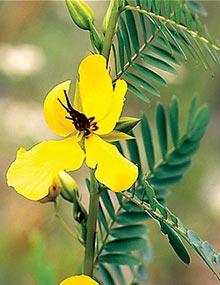
Partridge pea grows from 12 to 18 inches up to 3 feet tall. It has compound, alternate leaves. Leaflets are less than 1 inch long. Flowers are bright yellow with reddish-purple bases, about 1 inch across. Ripened seedpods are red-brown.
Reviewed
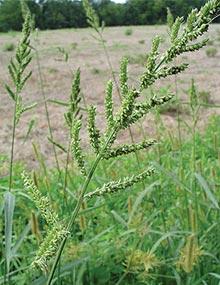
Barnyardgrass is most often found growing in moist areas. The large seeds of this grass make it an important food source for bobwhites.
Reviewed
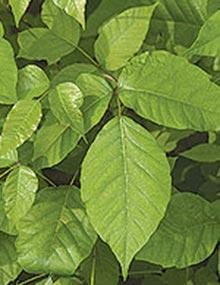
Poison ivy is a vine that can grow up to 60 feet high or a low, upright shrub. It has alternate leaves with three oval to lance-shaped leaflets with a pointed tip.The flowers are greenish white and grow in clusters 1 to 4 inches long on new growth of stems.
Reviewed
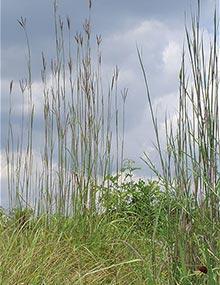
Mature seed stalks of big bluestem are copper colored and often grow more than 5 feet tall. The clumpy growth of big bluestem allows room for other plants to exist and provides excellent habitat structure for nesting and roosting

Reviewed
Common ragweed commonly grows to 18 inches. Leaves are simple, alternate, smooth and deeply lobed. Often the lobes are lobed again.
Reviewed
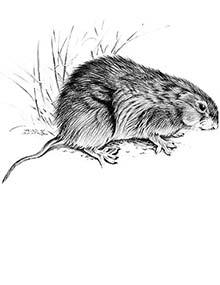
Meadow voles and prairie voles spend most of their lives above ground, living in and feeding on grasses and seeds. They may travel as far as 1/4 mile in search of food and cover. Their typical habitat includes lightly grazed pastures, old fields and grassy areas, lawns and gardens.
Reviewed
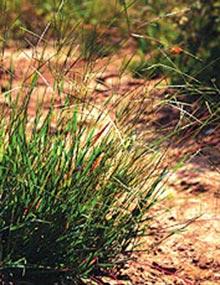
Often found in disturbed areas, crab grass tends to indicate early successional vegetation, and thus good quail habitat. However, late spring disturbance may result in a crab grass response heavy enough to displace other beneficial or desired plants.
Reviewed
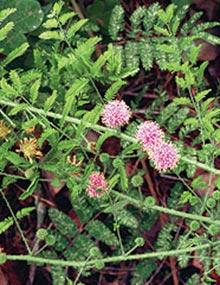
Sensitive brier has prostrate stems and seedpods covered with hooked barbs. Doubly compound, featherlike leaves close rapidly when touched or disturbed. Flower clusters are a fuchsia ball dotted with contrasting yellow stamens.
Reviewed
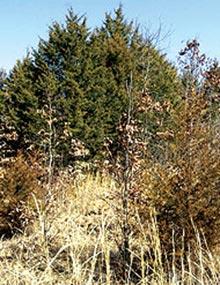
Eastern red cedar is a small to medium-sized tree up to 50 feet tall. It is an aromatic evergreen with a dense pyramid-shaped to cylindrical crown.
Reviewed
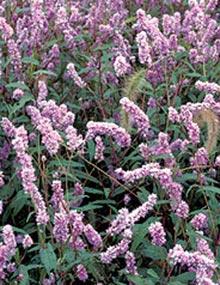
Annual smartweeds has abundant, swollen nodes where the leaf meets the stem. Leaves are simple, alternate and parallel-veined; most are lanceolate. Flower clusters are white or pink, and at maturity the plant yields large numbers of seeds.
Reviewed
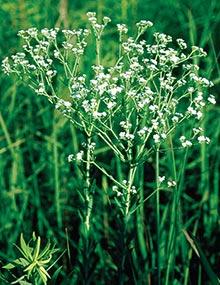
Flowering spurge may reach 3 feet tall on richer soils. Inflorescences are multibranched, with multiple flower heads per branch. Flowers have five white petals with a yellow center and average about one-third inch across.
Reviewed
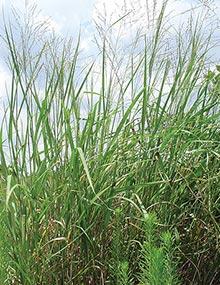
Switch grass exhibits an upright, bunchy growth form. The leaves twist in a corkscrew-like pattern from the base to the tip of the blade.
Reviewed
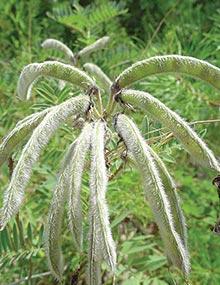
Goat’s rue, a member of the bean family, is readily identified by its striking flower, which consists of a cream-colored upper petal above two bright pink lower petals. Leaves are alternate, compound and usually hairy, with a pointed, hairlike tip.

Reviewed
Get your point across clearly in writing with these 10 principles of clear writing. Also, learn how to test the clearness of your writing and keep it simple.
Reviewed
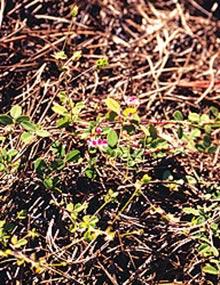
Trailing lespedezas are small, native lespedezas with trailing stems that can readily form thick mats over bare areas if left undisturbed. The small flowers range from purple to white and can produce a large quantity of seeds.
Reviewed
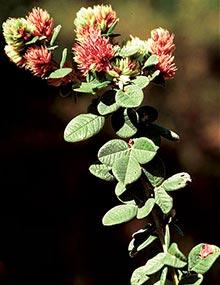
Hairy lespedeza leaflets occur in threes. This perennial plant earns its name from its stem and oblong leaflets, both of which are covered with hairs.