Image
Reviewed
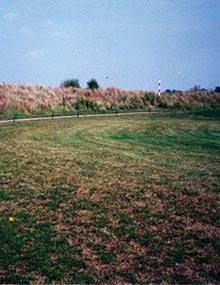
Learn to identify and manage dollar spot, a common turfgrass disease affecting bentgrass and bluegrass, with symptoms, conditions, and control methods.
Reviewed
Learn how to successfully establish or renovate cool-season grass lawns with proper soil preparation, seeding techniques, and essential fertilization steps.
Reviewed
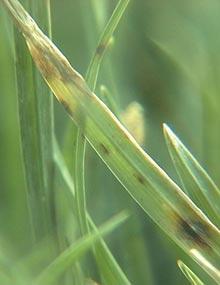
Gray leaf spot, also called blast, occurs in most areas of the country where perennial ryegrass is grown. Disease development is sporadic with little or no disease development in some years. Nevertheless, the potential destructiveness of gray leaf spot forces many turfgrass managers to apply preventive fungicide applications every year.
Reviewed
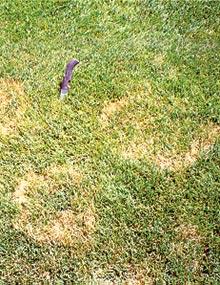
Rhizoctonia zeae forms pink to orange bulbils (resting structures). The fungus has been observed with increasing frequency since the early 2000s.
Reviewed
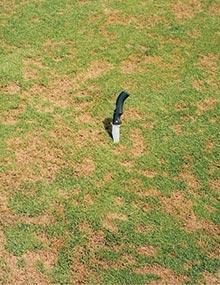
Pythium foliar blight is one of the most feared turfgrass diseases, because the disease develops rapidly during periods of high temperature and high relative humidity. If left untreated, extensive loss of turf can occur in a few days.
Reviewed
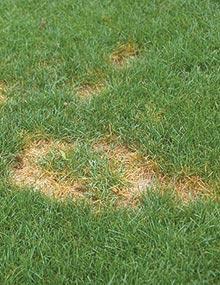
Summer patch, sometimes referred to as frogeye patch, is a destructive disease of Kentucky bluegrass maintained for golf course fairways, green surrounds, parks and residential landscapes
Reviewed
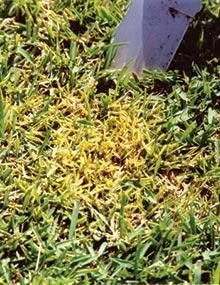
Yellow tuft is a cool-season disease that is commonly observed on creeping bentgrass and intensively managed Kentucky bluegrass.
Reviewed
Establishing a healthy lawn enhances your landscape and benefits the environment. Learn best practices to protect water quality during lawn establishment.
Reviewed
This publication is designed to be a useful reference for diagnosticians, turfgrass managers, industry representatives and others who want to learn how to diagnose and manage common turfgrass diseases caused by plant pathogenic fungi.
Reviewed
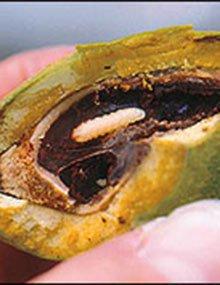
This guide details pecan insect pests and diseases that can cause economic losses to Missouri producers.
Reviewed
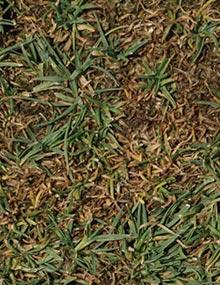
Guidelines on managing turfgrass diseases, focusing on key prevention strategies such as proper fertilization, mowing, and fungicide use.
Reviewed
Editor’s note
The following abstract describes a publication that is available for purchase from Michigan State Extension. To order this publication, please visit the MSU Extension Bookstore.
Reviewed
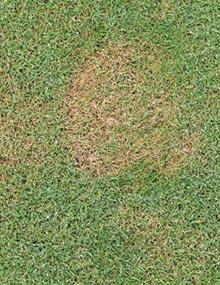
Copper spot is a foliar disease of bentgrass, with severest outbreaks occurring on velvet bentgrass. It also occurs sporadically on creeping bentgrass greens and higher cut creeping bentgrass tees and fairways. Gloeocercospora sorghi causes a leaf spot of bermudagrass and zoysiagrass as well.
Reviewed
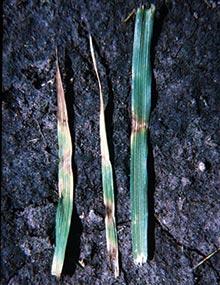
Drechslera diseases are part of a group of diseases caused by fungi that were once cataloged in the genus Helminthosporium. Over the years, taxonomists have revised the genus Helminthosporium to include the genera Drechslera, Marielliotta, Bipolaris and Exserohilum. This section covers the diseases Drechslera leaf spot and melting-out caused by D. poae and red leaf spot caused by D. erythrospila.
Reviewed
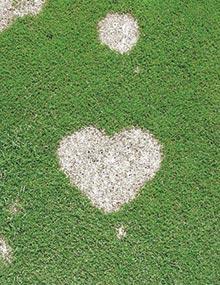
Gray snow mold is a winter turfgrass disease in regions where snow cover persists for long periods. All grasses can be damaged to some extent, but injury is often more severe on annual bluegrass and bentgrass putting greens.
Reviewed
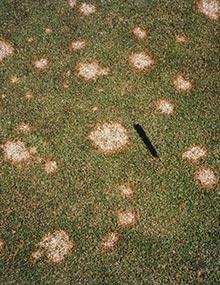
Microdochium patch is most common on new bentgrass greens under cover or in situations where nitrogen fertility was high going into the winter.
Reviewed
Learn lawn care practices that promote soil health, reduce the need for synthetic products, and improve water quality for a healthier, eco-friendly lawn.
Reviewed
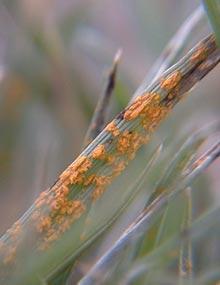
Rust occurs to some extent on all turfgrasses, but the rust fungi are generally host specific. Rust is most severe on susceptible cultivars of Kentucky bluegrass, tall fescue, perennial ryegrass and zoysiagrass. Rust symptoms usually appear in late August to early September and continue through the fall months.
Reviewed
Reviewed
Voles in no-till fields can reduce corn and soybean stands by up to 100%. Learn to identify damage and manage vole populations before planting.
Reviewed
Muskrats can damage ponds and crops through burrowing and feeding. This guide outlines effective control methods.
Reviewed
Striped and eastern spotted skunks inhabit diverse environments and may cause issues like lawn damage, poultry predation, and unpleasant odors.
Reviewed
Norway rats are stocky burrowing rodents that were unintentionally introduced into North America by settlers who arrived on ships from Europe. Also called brown rats or sewer rats, these destructive pests are found in and around towns and farms throughout Missouri. This guide provides information on how to recognize and manage a rat infestation.
Reviewed
Flooding displaces many rodents from their natural habitat. As a result, these animals are seeking areas that can provide food and shelter, such as homes, sheds, barns and other buildings.
Reviewed
Learn effective methods to prevent and control woodpecker damage to buildings, including exclusion techniques, visual repellents, and habitat modifications.