Image
Reviewed
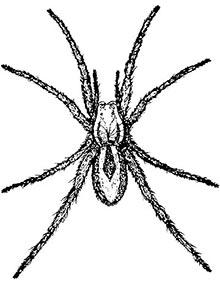
Wolf spiders are large, harmless hunters found in many habitats. Females carry egg sacs, and young ride on their backs after hatching.
Reviewed
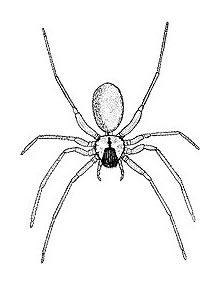
Provides detailed information about the brown recluse spider, including its appearance, habitat, behavior, and medical implications of its bite.
Reviewed
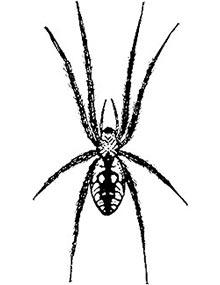
Orb weavers, such as the yellow garden spider, are nonpoisonous and build large, sticky webs to catch insects like grasshoppers.
Reviewed
Find out how fertile your garden or lawn soil is with a soil test. Results estimate the ability of soil to supply plant nutrients or support plant growth. Learn the process of taking a soil sample and the tools necessary to do so in this guide.
Reviewed
Eliminate the guesswork of providing nutrients for plant growth and avoid potentially environmentally harmful fertilizer applications by having your home lawn and garden soil tested. Learn the methods used by the MU Soil and Plant Testing in this guide.
Revised
Discover the diverse bat species in Missouri, their ecological benefits, and guidance on safely managing bat encounters in homes.
Reviewed
Explore alternative crops like amaranth, buckwheat, pearl millet, and sunflower for double-cropping in Missouri to enhance profits and reduce pest cycles.
Reviewed
Reviewed
Learn about bluegill sunfish aquaculture in Missouri, including species info, spawning, pond prep, and water quality management.
Reviewed
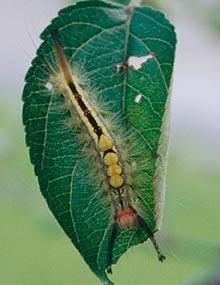
Whitemarked tussock moth caterpillars (Orgyia leucostigma) are present from May to October. They produce two generations per year.
Reviewed
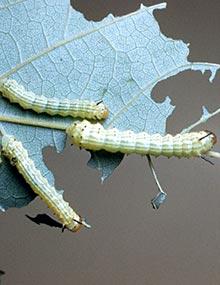
Greenstriped mapleworm caterpillars (Dryocampa rubicunda) are present from late spring to late fall. They produce one to two generations per year.
Reviewed
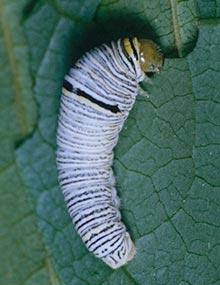
Zebra swallowtail caterpillars (Graphium marcellus) are present from May to November. They produce two to three generations per year.
Reviewed
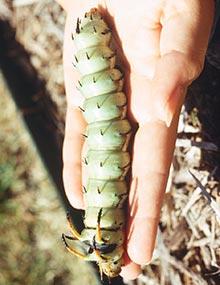
Hickory horned devil caterpillars (Citheronia regalis) are present from July to October. They produce two generations per year.
Revised
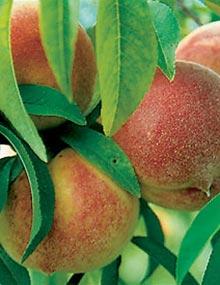
This guide offers practical advice on selecting, planting, and maintaining peach and nectarine trees for optimal fruit production.
Reviewed
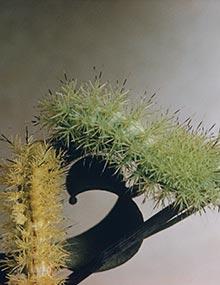
Io moth caterpillars (Automeris io) are present from July to October. They produce two generations per year.
Reviewed
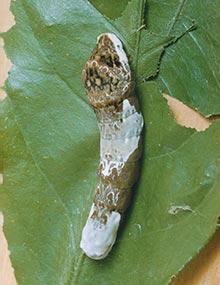
Orangedog caterpillars (Papilio cresphontes) are present from July to October. They produce two generations per year. They are considered a pest to citrus trees.
Reviewed
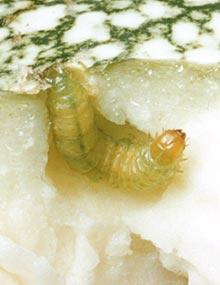
Pickleworm caterpillars (Diaphania nitidalis) are present from summer to fall. They produce two to three generations per year.
Reviewed
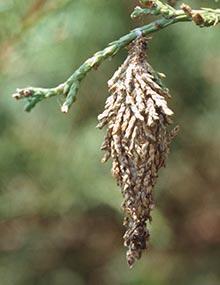
Bagworm caterpillars (Thyridopteryx ephemeraeformis) are present from early June to August. They produce one generation per year.
Reviewed
Caterpillars are some of the most easily observed insects in backyards and gardens. Learn to identify them so you will know what type of butterflies or moths they will turn into.
Reviewed
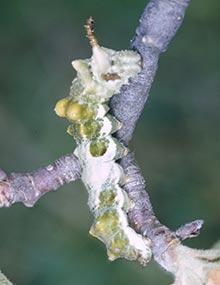
Red-spotted purple caterpillars (Limenitis arthemis) are present from early summer to fall. They produce two generations per year.
Reviewed
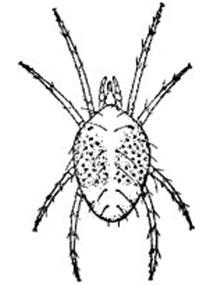
Learn safe and effective ways to manage indoor plant pests using natural, mechanical, and low-toxicity treatments that protect both plants and the environment
Reviewed
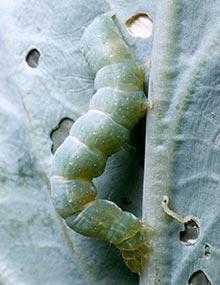
Cabbage looper caterpillars (Trichoplusia ni) are present from late spring to fall. They produce two to three generations per year.
Reviewed
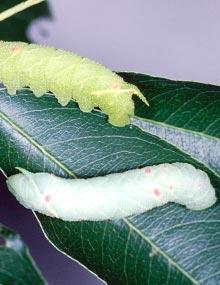
Smalleyed sphinx caterpillars (Paonias myops) are present from May through September. They produce multiple generations per year.
Reviewed
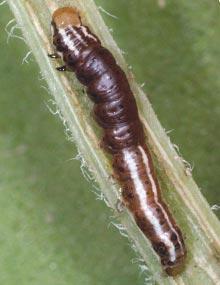
Stalk borer caterpillars (Papaipema nebris) are present from May to August. They produce one generation per year.
Reviewed
Twig Girdler and Twig Pruner are long-horned beetle species that attack numerous types of valuable trees. Visit our website to learn more.