Image
Reviewed
Devil’s-claw, also known as unicorn plant, is the only known species of Martyniaceae (Unicorn-plant family) to be present in Missouri.

Reviewed
Learn guidelines to ensure the safe and environmentally friendly storage of pesticides.
Reviewed
Although about 18 genera of Passifloraceae (Passionflower family) are known, only one genus is known to be present in Missouri.

Reviewed
This publication provides a comprehensive checklist for swine producers, covering essential management practices from breeding to farrowing.
Reviewed
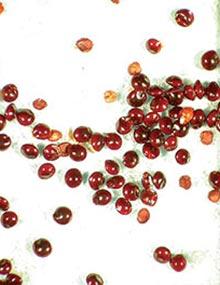
In Missouri the amaranths (pigweeds) make up the vast majority of plant genera that occur within this family.
Reviewed
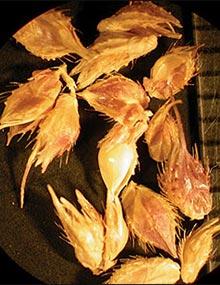
About 270 species of Poaceae (Grass family), true grasses, are found in the state. Many species are economically important, including corn, wheat, sorghum, rye, fescue, oats, rice, barley and various millets.

Reviewed
The Dogbane family (Apocynaceae) has relatively few members that occur in Missouri.
Reviewed
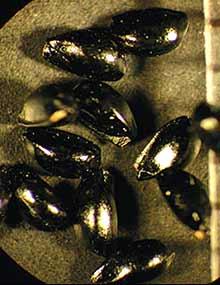
Ranunculaceae (Buttercup family), a rather large group of plants, is best known for buttercups, of which there are nearly 20 species in Missouri. Clematis is another fairly common plant genus occurring in this family.
Reviewed
Learn practices to manage phosphorus in biosolids, minimize environmental impact, and protect water quality using updated nutrient management strategies.
Reviewed
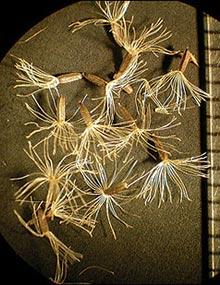
Asteraceae, the aster family is the largest and most diverse family of broadleaf plants in Missouri. Its members include various species of goldenrod, sunflower and thistle.
Reviewed
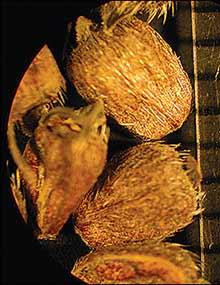
Rubiaceae (Madder family) is a large family of plants with about 600 genera; there are about eight genera present in Missouri. The genus Galium is the largest in this state with at least 11 species, including a common winter annual, catchweed bedstraw.
Reviewed
Learn how to manage livestock manure to enhance soil health, reduce fertilizer costs, and protect water quality through proper application practices.
Reviewed
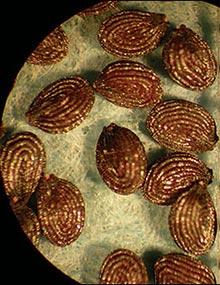
Explore the Brassicaceae (Mustard) family, one of Missouri's largest plant groups, including common species like yellow rocket and wild mustard.
Reviewed
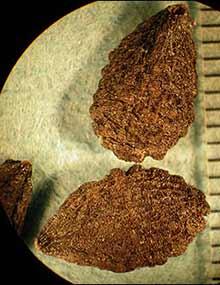
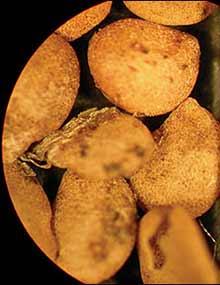
This page details common weed species in Missouri's nightshade family, including seed images with millimeter rulers for scale.
Reviewed
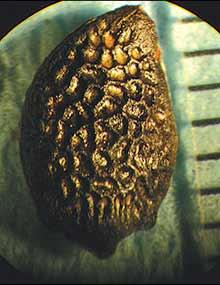
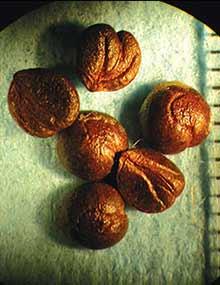
Information about grape family weed seeds, including Virginia creeper and raccoon grape, with images and millimeter-scale references.
Reviewed
Gases from swine waste, such as ammonia and hydrogen sulfide, can impact air quality and health in confinement facilities.

Reviewed
How is nitrogen lost from the soil?Nitrogen is primarily lost by three pathways:
Reviewed
Laboratory analysis of manure determines nutrient levels—nitrogen, phosphorus, potassium—and moisture content for effective fertilizer use.
Reviewed
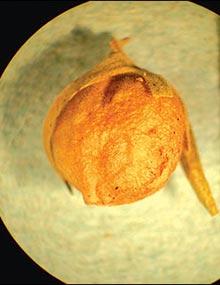
Caprifoliaceae (Honeysuckle family) includes several species of honeysuckle, viburnum and elderberry.

Reviewed
Learn how to manage nitrogen fertilizer in crops to boost yields, reduce losses, and enhance environmental outcomes through best practices.

Reviewed
Explains types of radiation—alpha, beta, gamma, neutron—their sources, health effects, and ways to reduce exposure.
New
Learn about the honey bee, from its life cycle, to its various races, to its pest problems, the benefits it provides, and how we can aid its success in this University of Missouri Extension guide. Become a Master Pollinator Steward!
New
Pollinators are critically important for natural ecosystems and crop production. Learn why pollinators are crucial, the major threats confronting them, conservation steps being taken, and how you can help in this University of Missouri Extension guide.