Editor’s note
The following abstract describes a publication that is available for purchase or as a downloadable PDF.
Abstract
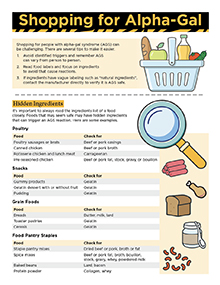
This 8.5x11" handout provides information regarding alpha-gal syndrome. Shopping for individuals with alpha-gal syndrome (AGS) requires careful attention to ingredient labels and potential hidden triggers, as the condition causes allergic reactions to mammalian-derived products. Since sensitivities vary by person, it is essential to identify individual triggers and verify ambiguous ingredients—like gelatin, glycerin, or collagen—by contacting manufacturers when necessary. Hidden mammal-based components can appear in unexpected foods such as poultry products, snacks, grain-based foods, pantry staples, and even personal care items. Common culprits include beef or pork broth, lard, suet, and dairy derivatives. People with AGS may also react to medications or treatments containing mammalian ingredients, making it vital to communicate the diagnosis with healthcare providers. This guide emphasizes label reading, awareness of hidden ingredients, and proactive communication to support safe shopping and health management for those with AGS.
Topics
- Hidden Ingredients
- Common Ingredients to Watch Out For
- Personal Items
- Medication and Medical Treatments
Pages
- 2

Shopping for people with alpha-gal syndrome (AGS) can be challenging. There are several tips to make it easier.
- Do not buy foods or byproducts of mammals, like beef, pork, etc.
- Avoid food with alpha-gal that triggers an allergic reaction for you. These may include mammal meats and mammal byproducts. Remember AGS triggers can vary from person to person. Talk with your healthcare provider for individualized recommendations. Check out MU Extension publication Alpha-Gal Awareness (N1350) for more information about alpha-gal.
- Read food labels and avoid ingredients that cause reactions.
- If ingredients have vague labeling such as “natural flavors”, contact the manufacturer directly to ask if it contains alpha-gal ingredients.

Hidden Ingredients
It is important to read the ingredient list every time. Foods that may seem safe may have hidden ingredients that can trigger an AGS reaction. Here are some examples. Alpha-gal sensitivity varies from person to person. Consult with your healthcare provider or registered dietitian to determine which specific foods and products need to be avoided and to develop a safe eating plan tailored to your needs
Poultry
- Poultry sausages or brats – Check for: Beef or pork casings
- Canned chicken – Check for: Beef or pork broth
- Rotisserie chicken and lunch meat – Check for: Carrageenan
- Pre-seasoned chicken – Check for: Beef or pork fat, stock, gravy, or bouillon
Snacks
- Gummy products – Check for: Gelatin
- Gelatin dessert with or without fruit – Check for: Gelatin
- Pudding – Check for: Gelatin
- Roasted nuts – Check for: Gelatin
Grain Foods
- Breads – Check for: Butter, milk, lard
- Toaster pastries – Check for: Gelatin
- Cereals – Check for: Gelatin
Food Pantry Staples
- Staple pantry mixes – Check for: Dried beef or pork, broth or fat
- Spice mixes – Check for: Beef or pork fat, broth, bouillon, stock, gravy, whey, powdered milk
- Baked beans – Check for: Lard, bacon
- Protein powder – Check for: Collagen, whey
Common Ingredients to Watch Out For

- Gelatin
- Tallow
- Glycerin** (may be mammal-based or plant-based)
- Carrageenan
- Lard
- Suet
- Beef or pork fat
- Beef or pork stock
- Beef or pork broth
- Gravy
- Beef or pork bouillon
- Collagen** (may be mammal-based or plant-based)
** To verify if the ingredient is mammal- or plant-based, check with the manufacturer.
Personal Items
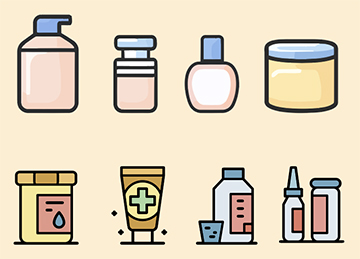
Depending on the individual sensitivity, some people might have reactions to personal care items. If you are sensitive to non-food items, check for ingredients such as gelatine, glycerin, and collagen. Some of these are mammal-based, while others are plant-based. Check with the manufacturer to know for sure.
Medication and Medical Treatments
Some medications and medical treatments could trigger an alpha-gal reaction. These may include over-the-counter and prescription dietary supplements, vaccines, ointments and creams, and pills with gel capsules among others. Be sure all your physicians (including dentist and eye doctor) and pharmacist are aware of your alpha-gal diagnosis.
References
- CDC. (2024). Products That May Contain Alpha-Gal. Alpha-Gal Syndrome. View source.
- Macdougall, J.D., Thomas, K.O., & Iweala, O.I. (2022). The Meat of the Matter: Understanding and Managing Alpha-Gal Syndrome. ImmunoTargets and Therapy, 11, 37-54. View source.
- Norman-Burgdolf, H. & Jonathan, L.L. (2024). Life with Alpha-Gal Red Meat Allergy. University of Kentucky College of Agriculture. View source.
- U.S. Department of Health and Human Services. (2020). Alpha-Gal Syndrome Subcommittee Report to the Tick-Borne Disease Working Group. View source.