Stop the stigma
Bed bugs can infest any home.
Bed bugs feed on human blood, but they don’t live on people or spread disease.
Remain calm in the event of a suspected bed bug so that students can continue learning.
No member of the school community should be excluded from the building due to an infestation in their home.
How to identify bed bugs
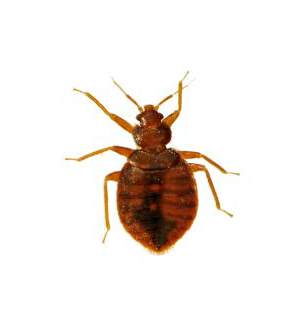
Brown/red color
Flattened
Wingless
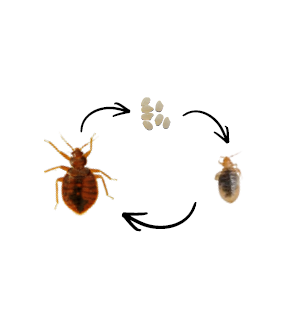
Bed bug life cycle
egg, nymph, and adult stages of bed bugs
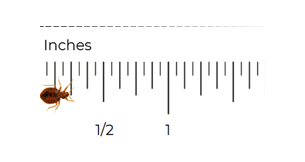
Size of a bed bug
About 1/4" in length
Developing a bed bug plan
It is critical to ensure when a bed bug is found, you know what to do. Preparing a plan prevents panic.
01 Identify the Insect
Is it a bed bug? Some insects look similar! Who is your primary contact for identification?
02 Where is the Insect
Was the insect on a student, close to a student, or on its own in a classroom?03 Management Plan
Develop appropriate containment strategies and identify low risk management options.04 Contact List
Contact your district pest control director. Develop a contact procedure for families.Areas with materials brought from home are vulnerable to hitchhiking bed bugs.

Dryers can be utilized to kill bed bugs on articles of clothing.

Storing student belongings in individual containers minimizes the risk of transfer.

Lockers provide additional barriers to bed bug transmission.